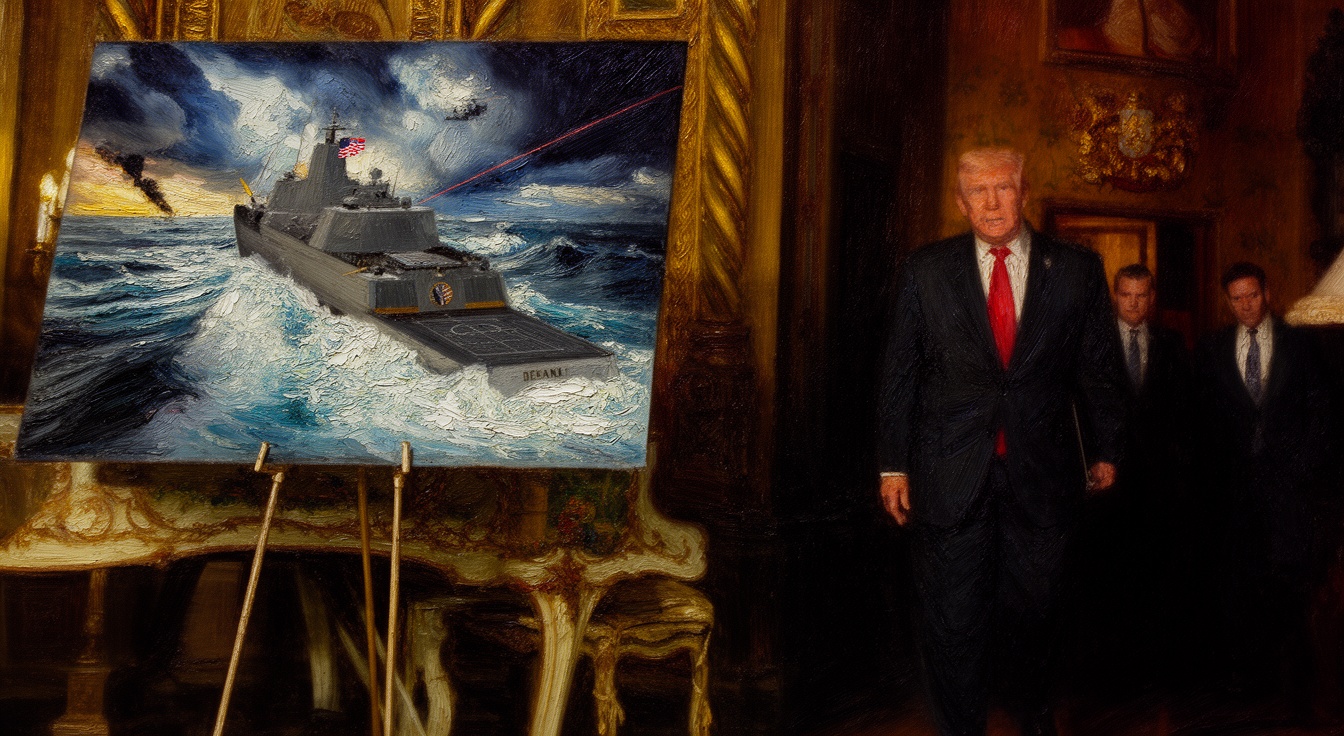
Significant Congressional Pressure on Navy Battleship Design
U.S. lawmakers are increasingly questioning the viability of battleship development amid rising costs. The House is demanding detailed designs, raising strategic implications for naval warfare.
Recent discussions in the U.S. House of Representatives have intensified scrutiny on the Navy's battleship design efforts. Multiple lawmakers have expressed concerns about the financial viability of such vessels, as the anticipated costs continue to rise. The renewed focus on these issues signals a potential shift in defense priorities, with significant implications for naval power projection.
Historically, battleships have been central to U.S. naval strategy, but their relevance in modern warfare is increasingly debated. Critics point to the escalating expenses associated with developing a new class of battleships while advocating for a reevaluation of naval spending towards more versatile platforms. This debate occurs against the backdrop of evolving global maritime threats, making the outcomes even more consequential.
The strategic significance of this inquiry into battleship design underscores the balancing act required in defense budgeting. With the U.S. Navy facing challenges in maintaining superiority over potential adversaries like China and Russia, reallocating funds to ensure operational readiness across diverse platforms may be prioritized.
Details surrounding specific design parameters and expected operational capabilities for the proposed battleships remain ambiguous. These ships are anticipated to integrate advanced radar systems, missile defense mechanisms, and modern combat capabilities to enhance their effectiveness. The cost of these advanced systems could reach tens of billions of dollars, further complicating discussions on their procurement.
As deliberations continue, the House's insistence on clarity from the Navy could lead to a pivotal moment in U.S. defense policy. Lawmakers' concerns reflect broader apprehensions regarding the sustainability of traditional naval warfare models in an era marked by asymmetric threats and advanced technologies. The outcomes of these discussions may reshape the future of naval engagements for years to come.