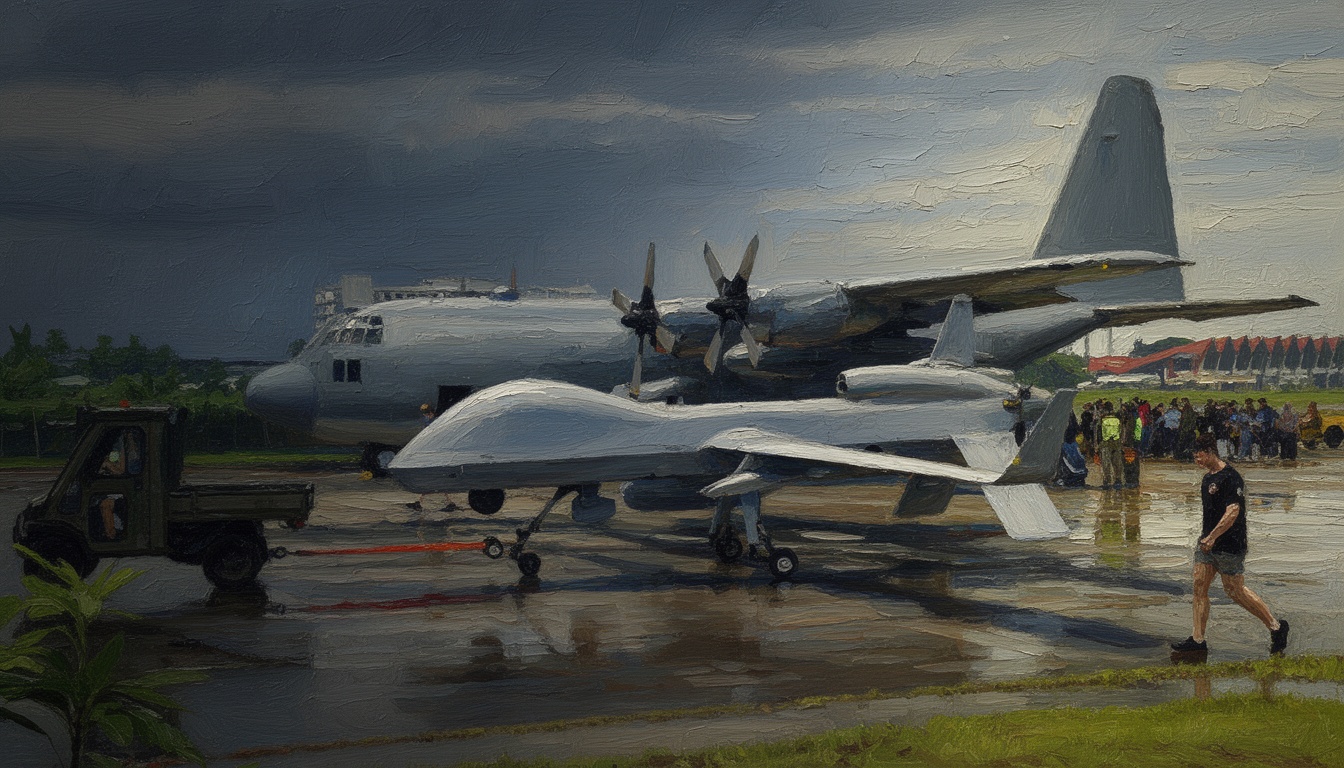
Singapore Begins Trials with Weaponized Drones
Singapore's plans for weaponized drones highlight a regional arms race in unmanned systems. Enhancing drone capabilities requires careful regulation to avoid escalating tensions.
Singapore has announced the commencement of trials for its weaponized unmanned aerial vehicles (UAVs), aiming to bolster its military capabilities. This initiative underscores a growing trend in Southeast Asia, where numerous nations are increasingly focused on both deploying and enhancing their drone systems. The rapid development of these technologies raises concerns about the potential for miscalculations and accidents that could escalate regional tensions.
The interest in drone technology across Southeast Asia has surged in recent years, with countries like Indonesia, Malaysia, and Thailand exploring similar advancements. Analysts argue that while the benefits of unmanned systems are clear, particularly in terms of reducing personnel risk, the lack of robust regulatory frameworks could lead to dangerous outcomes. Such developments could provoke misunderstandings or accidents between countries with overlapping airspaces.
Strategically, Singapore's move reflects its commitment to modernize and maintain a technological edge over regional opponents. The trials are expected to include sophisticated tracking systems capable of identifying and engaging targets without direct human oversight. However, analysts caution that clarity in operational protocols and military transparency will be essential to mitigate risks associated with these autonomous systems.
With the ongoing push for advanced drone technologies, countries are also focused on counter-drone capabilities to protect their airspaces against potential threats. Countries must consider how they will balance these advancements with the need for stability and cooperation in the region. The rapid integration of drones into national defense will significantly alter military dynamics, potentially complicating efforts for dialogue and partnership in an already tense geopolitical climate.
In conclusion, while Singapore's weaponized drone trials may enhance its operational capabilities, the broader implications of such advancements warrant careful consideration of the associated risks. Without effective regulation and confidence-building measures in place, the rush towards unmanned systems may inadvertently escalate tensions in Southeast Asia.