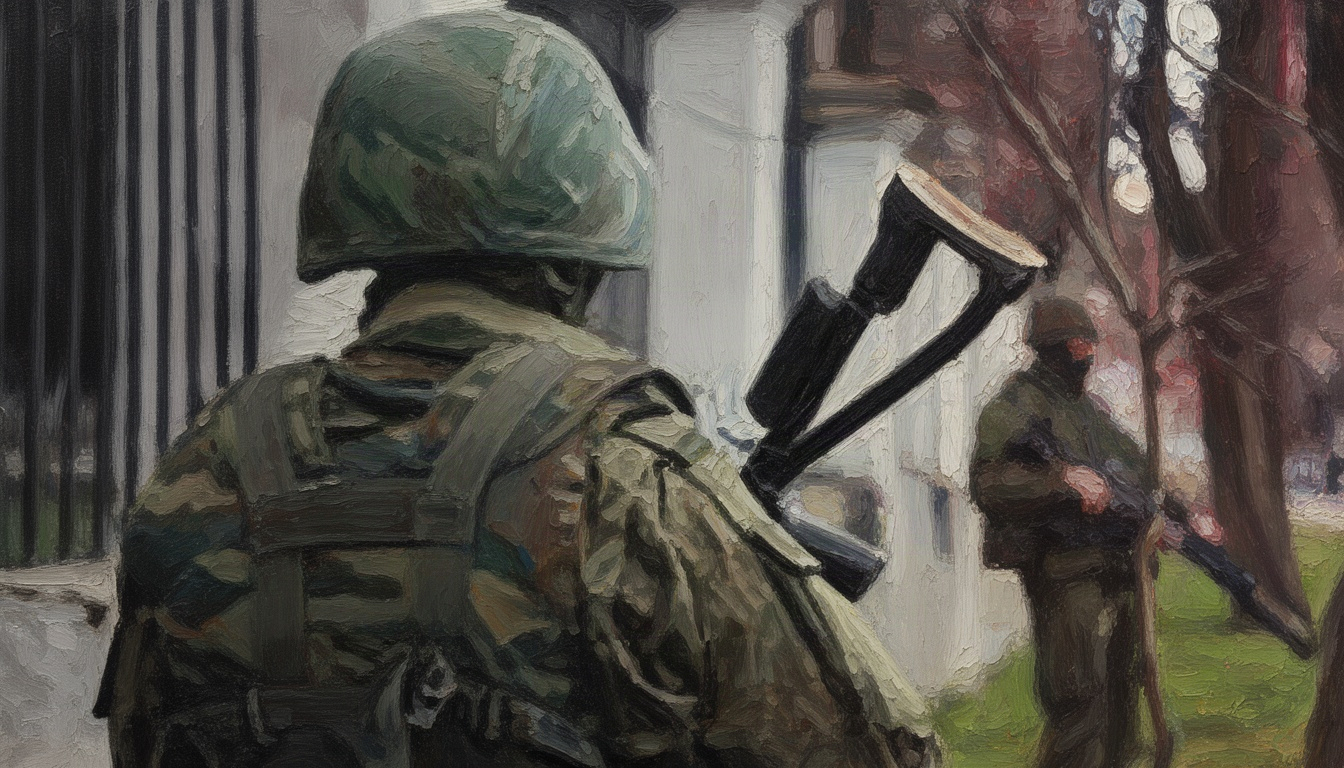
Soldier Kills Four in Gun Rampage in Russian-Occupied Crimea
A soldier has reportedly killed four individuals in Crimea, escalating tensions in the region. This incident raises significant concerns regarding military discipline and security in occupied territories.
On Monday, a soldier reportedly killed four people in a gun rampage in Russia-occupied Crimea. The gunman fired on fellow soldiers and civilians before being detained by authorities. The incident occurred in an area where military presence is significant, highlighting vulnerability and potential operational lapses within the ranks.
Background context reveals that Crimea has been under Russian control since 2014, following its annexation from Ukraine. The presence of a Moscow-installed governor indicates a tight grip on local governance, yet security breaches continue to pose risks to both military personnel and civilians. This recent shooting comes just weeks after prior security incidents raised alarms about military readiness in the region.
The strategic significance of this event cannot be understated. It signals possible unrest within Russian military ranks and illustrates the fragile security environment in Crimea. Furthermore, incidents such as these may provoke increased scrutiny from international observers and pressure on Russia to improve oversight of its armed forces.
Operationally, this incident highlights potential failures in military discipline and command control in the area. Details about the weapon used remain unclear, but such firearm incidences indicate a broader issue of unauthorized access to arms among soldiers. This raises questions about the protocols in place to ensure responsible handling of firearms in a conflict zone.
Looking ahead, the potential consequences of this shooting are manifold. Increased security measures in military installations may be expected, alongside possible changes in command structures. Additionally, the incident may fuel propaganda narratives within Ukraine and among Western nations, showcasing alleged instability in Russian-occupied regions. This is likely to further complicate the ongoing geopolitical tensions surrounding Crimea and its status.