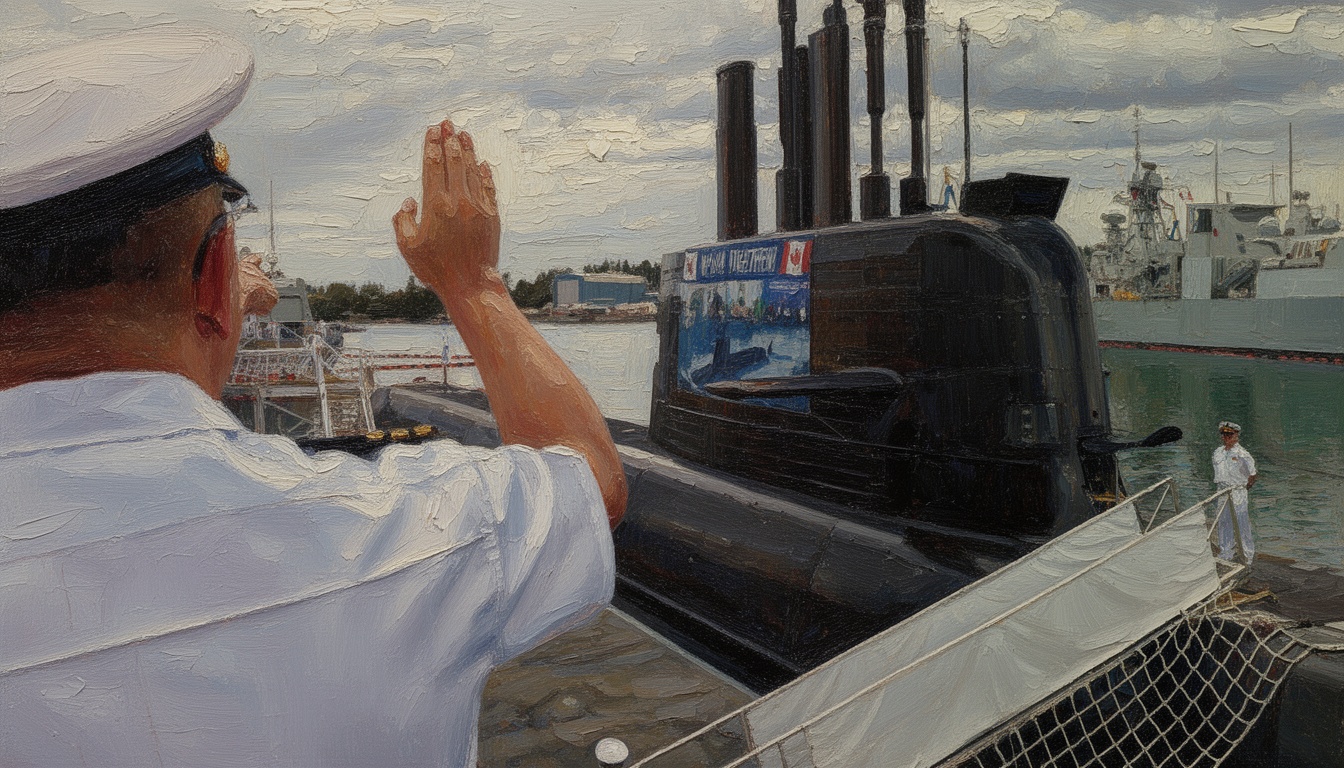
South Korea Loses Canada Submarine Deal, Gains Defence Credibility
Despite losing a significant submarine contract, South Korea showcases its competitive status in the global defense market. Analysts view its close competition with Germany as a clear signal of its evolving military capabilities.
South Korea has reportedly lost out on a multibillion-dollar submarine contract with Canada, with the order going to Germany's Thyssenkrupp Marine Systems (TKMS). This deal is valued at approximately US$40 billion and includes the construction of up to 12 diesel-electric submarines, alongside long-term maintenance services. Although this represents a setback for South Korea, experts assert that this competition illuminated its capacity to engage a leading power in undersea warfare.
The Canadian selection of TKMS over South Korea's bid is significant, as it emphasizes a shift in defense procurement, where traditional powers face competition from emerging ones. The contest has validated South Korea's technological advancements and the quality of its defense export offerings, displaying its potential to compete effectively in the advanced maritime defense arena.
Strategically, South Korea’s performance in this bidding process signifies its intent to solidify its position as a formidable defense exporter. It has been actively strengthening its military capabilities, with key projects in naval technology demonstrating resilience and commitment toward becoming a major player in the global defense industry.
Particularly, South Korea has been focusing on enhancing its submarine capabilities through investments in indigenous development and cooperation with allies. The country’s advanced submarine programs, including the KSS-III program, showcase its progress in developing cutting-edge underwater technology, solidifying its status among global defense powers.
Looking ahead, observers anticipate that South Korea will continue to pursue partnerships and improve its defense technology, fueled by the lessons learned from this competitive bidding process. Its reputation as a reliable defense collaborator is likely to attract further international contracts as it refines its military offerings and positions itself as a leader in underwater warfare technologies.