South Korea, US Deadlocked Ahead of Key Summit Talks
Strategic tensions escalate as South Korea seeks nuclear submarines while the US demands investment progress. Upcoming talks in Seoul could redefine defense collaboration.
South Korea and the United States are entering a critical week as officials prepare for talks in Seoul scheduled for next week. The discussions aim to address the implementation of last year's summit agreement but are overshadowed by diverging priorities between the two nations. South Korean President Lee Jae Myung is advocating for the provision of nuclear-powered submarines, while Washington focuses on securing commitments related to a substantial investment pledge from Seoul.
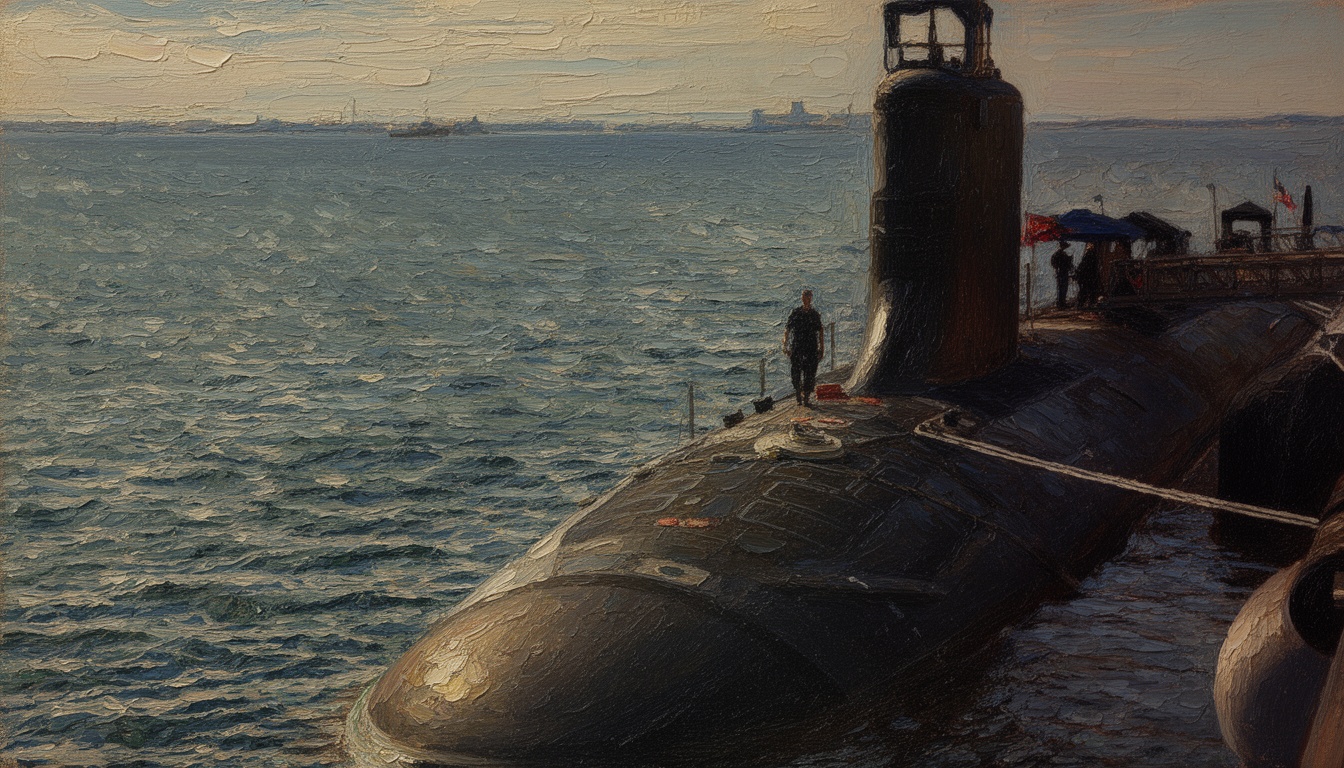
The request for US approval on nuclear fuel for South Korea's submarines represents a significant objective for President Lee. This move is seen as essential for enhancing the operational capabilities of the South Korean Navy amidst growing regional threats. The United States remains cautious, emphasizing the need for verification and compliance with non-proliferation norms before agreeing to such arrangements.
On the other hand, Washington is seeking concrete steps from Seoul regarding its previously announced US$350 billion investment commitment. This investment is critical for bolstering economic ties and defense capabilities in the face of increasing competition with China and the ongoing North Korean threat. The success of these talks will be pivotal in determining the future trajectory of military cooperation between the allies.
Technical discussions will likely cover specific aspects of submarine capabilities, including the proposed use of advanced missile systems that the South Korean Navy aims to integrate. Moreover, the investment dialogue may encompass sectors such as technology innovations and critical infrastructure, which remain vital to both nations' security strategies.
Consequences of this deadlock could have far-reaching implications on the strategic landscape in Northeast Asia. If talks fail to produce satisfactory outcomes for both parties, it may increase tensions in the region and hinder future collaborative defense efforts. The focus on military enhancements from both sides underscores the urgent need for alignment in defense priorities that impact both regional security and economic stability.