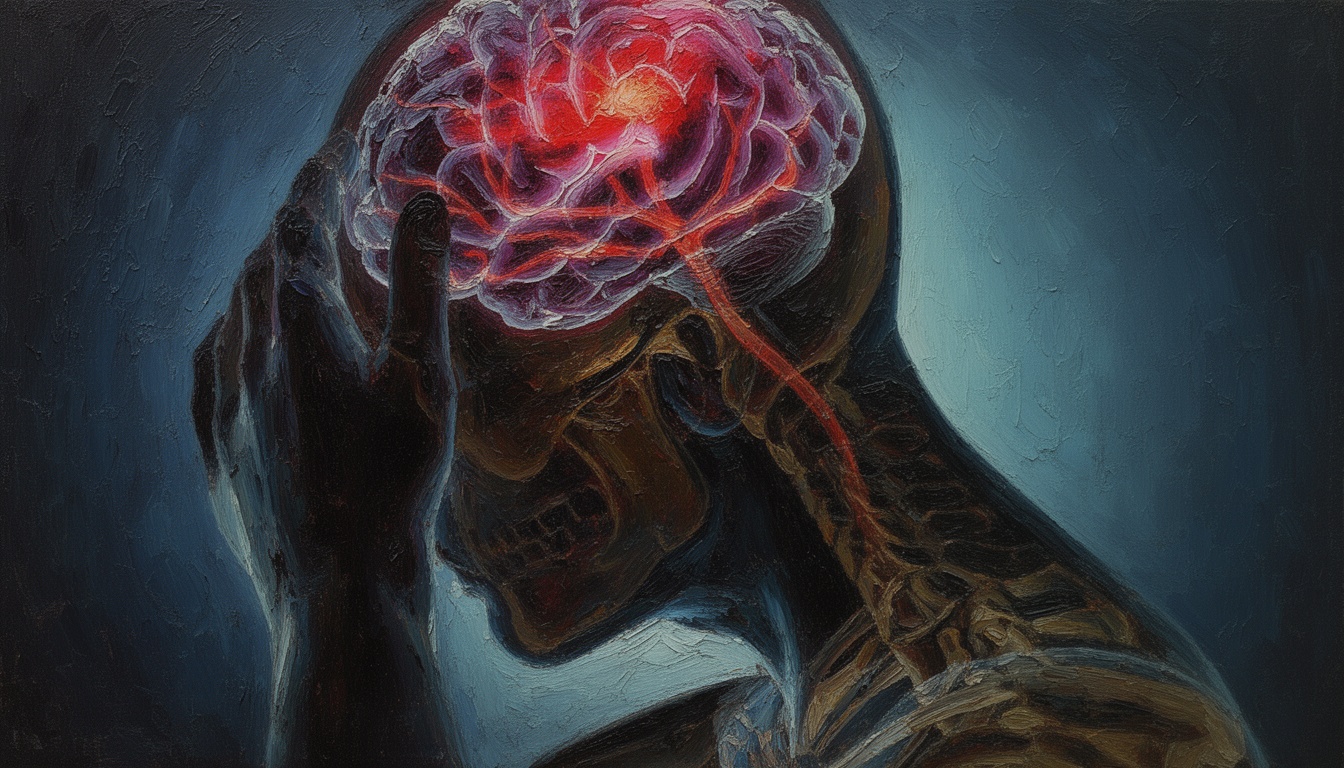
South Korean Team Reports Breakthrough in Stroke Treatment Research
The identification of a new treatment pathway for ischemic stroke could shift medical approaches. Chinese doctors are reportedly keen on collaboration to explore this experimental drug.
South Korean researchers have made significant advancements in identifying a new treatment pathway for ischemic stroke, a condition that poses considerable challenges within contemporary medicine. This breakthrough aligns with ongoing efforts to develop effective solutions for a disease that has long eluded comprehensive treatment options.
The South Korean team reports that medical practitioners in China have expressed interest in establishing a partnership to explore the potential of the experimental drug. Their collaboration could enhance the development of therapies aimed at combating ischemic stroke, fostering a shared understanding of innovative medical approaches.
This development comes at a crucial time when ischemic stroke treatment is under significant scrutiny due to its complexity. If successful, the new pathway could pave the way for more effective interventions, leading to improved patient outcomes and a deeper understanding of the disease’s underlying mechanisms.
The research, titled "Oxidative stress-induced astrocytic collagen biosynthesis drives glial barrier formation and neuronal death in ischemic...", delves into the cellular responses that contribute to the progression of ischemic stroke. Details surrounding the specific composition and function of the experimental drug remain under wraps, but the implications for patient care could be substantial.
In light of this emerging partnership, the global medical community is likely to watch closely for further developments. Should this collaboration yield promising results, it may lead to new standards in ischemic stroke treatment, reshaping the landscape of neurologic care and research worldwide.