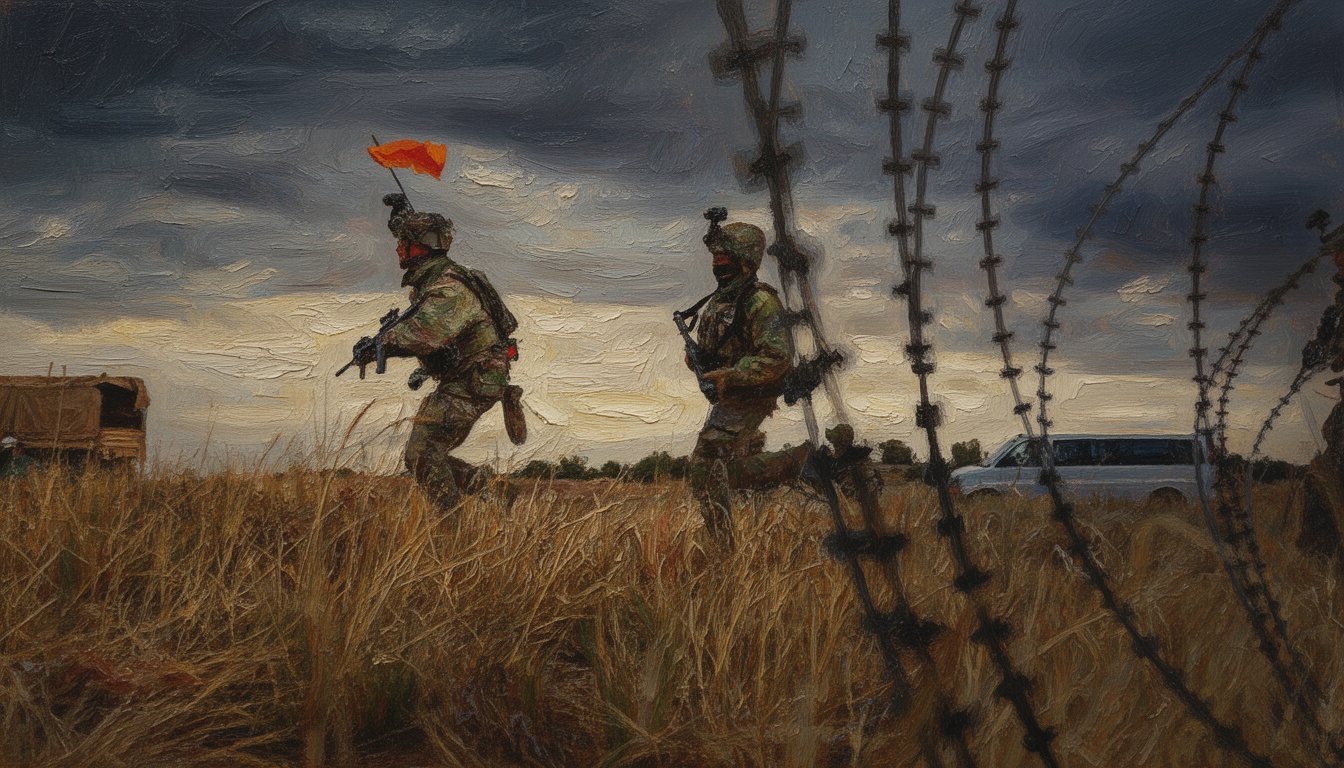
Special Forces Join Next-Gen Army C2 Experiments
The integration of 10th Special Forces Group into Army's C2 technology testing could reshape operational command structures. Their participation follows insights from the 4th Infantry Division’s recent developments.
The 10th Special Forces Group has joined the U.S. Army's latest experiments involving next-generation Command and Control (C2) prototypes. This initiative comes after valuable insights were gained from the 4th Infantry Division's utilization of new C2 technologies during military operations. The involvement of Special Forces in these trials signifies a pivotal shift in how command strategies may evolve across various Army divisions.
Historically, Command and Control systems have been critical to military effectiveness, allowing real-time decision-making and improved coordination among units. By integrating elite forces into the testing phase, the Army aims to evaluate the practical applications of these systems in high-stakes environments. The recent Ivy Mass exercise showcased several scenarios where innovative C2 capabilities are expected to enhance operational efficiency.
This collaboration signifies a crucial step toward modernizing the Army's operational framework and enhancing its responsiveness to complex battlefields. The introduction of advanced C2 systems stands to improve situational awareness and coordination among dispersed units, essential for contemporary warfare dynamics.
The 10th Special Forces Group is known for its specialized training and operational capabilities. Their engagement in this prototype testing could provide actionable feedback, potentially influencing future C2 operational policies. As the Army continues to refine its technological edge, the integration of Special Forces raises expectations for an adaptable fighting force prepared for future challenges.
In assessing the implications, this move could herald a transformative period in Army operations, potentially redefining command hierarchies and operational strategies. The feedback from these experiments will likely shape the Army's approach to operational engagements in complex environments moving forward.