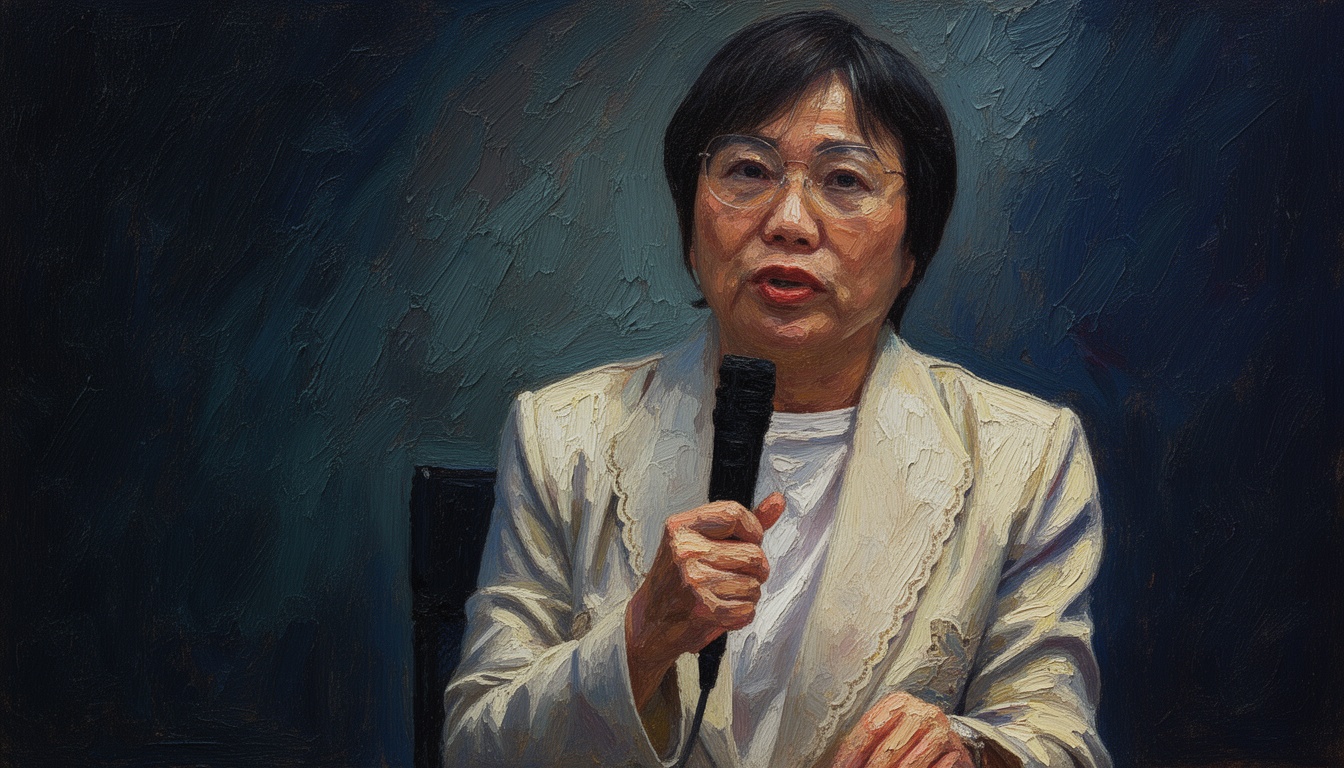
Taiwan Firm Dismisses Minister's Nephew Amid Beijing Sanctions
A Taiwanese company has fired a relative of a sanctioned minister, escalating tensions between Taiwan and China. This decision underscores the ongoing backlash against Taiwan's cross-strait policies.
A Taiwanese firm, Long Time Technology Co Ltd, has dismissed Yen Wen-chun, the nephew of Taiwan's Interior Minister Liu Shyh-fang, who is currently on Beijing's sanctions list. The announcement of his termination was made on Wednesday night and will take effect from April 7. The dismissal comes as tensions increase between Taiwan and China over various issues, including Taiwan’s perceived hostile approach to cross-strait relations.
Liu Shyh-fang is being sanctioned by Beijing for allegedly undermining China's interests, which has deepened the rift between the two sides. The Long Time Technology Co Ltd has subsidiaries in mainland China, making this decision particularly significant as it highlights the impact of China’s pressure on Taiwanese businesses operating across the strait. Yen’s dismissal raises concerns about the extent to which political sanctions are influencing private sector decisions within Taiwan.
This development reflects the broader geopolitical context of escalating tensions between Taiwan and China. The Chinese government continues to target individuals it deems responsible for promoting what it calls secessionist policies. With Taiwan's government adopting a defiant posture against Beijing, such firings signal the increasing risk for individuals connected to Taiwanese officials who are on China's sanctions list.
Long Time Technology Co Ltd's decision to terminate Yen indicates the operations of Taiwanese firms on the mainland are subject to the political climate between Taiwan and China. This raises questions about the viability of inter-business relations amid the ongoing geopolitical crisis, which significantly complicates business operations for Taiwanese entities in China. Companies may now have to weigh the risks of political affiliations against the benefits of doing business in mainland markets.
As the tension between Taiwan and China persists, similar actions may be expected, further straining interpersonal networks and potentially sowing distrust within the Taiwanese business community. The potential fallout from such dismissals could have long-lasting implications for Taiwan’s cross-strait relations and the internal dynamics of its corporate sector.