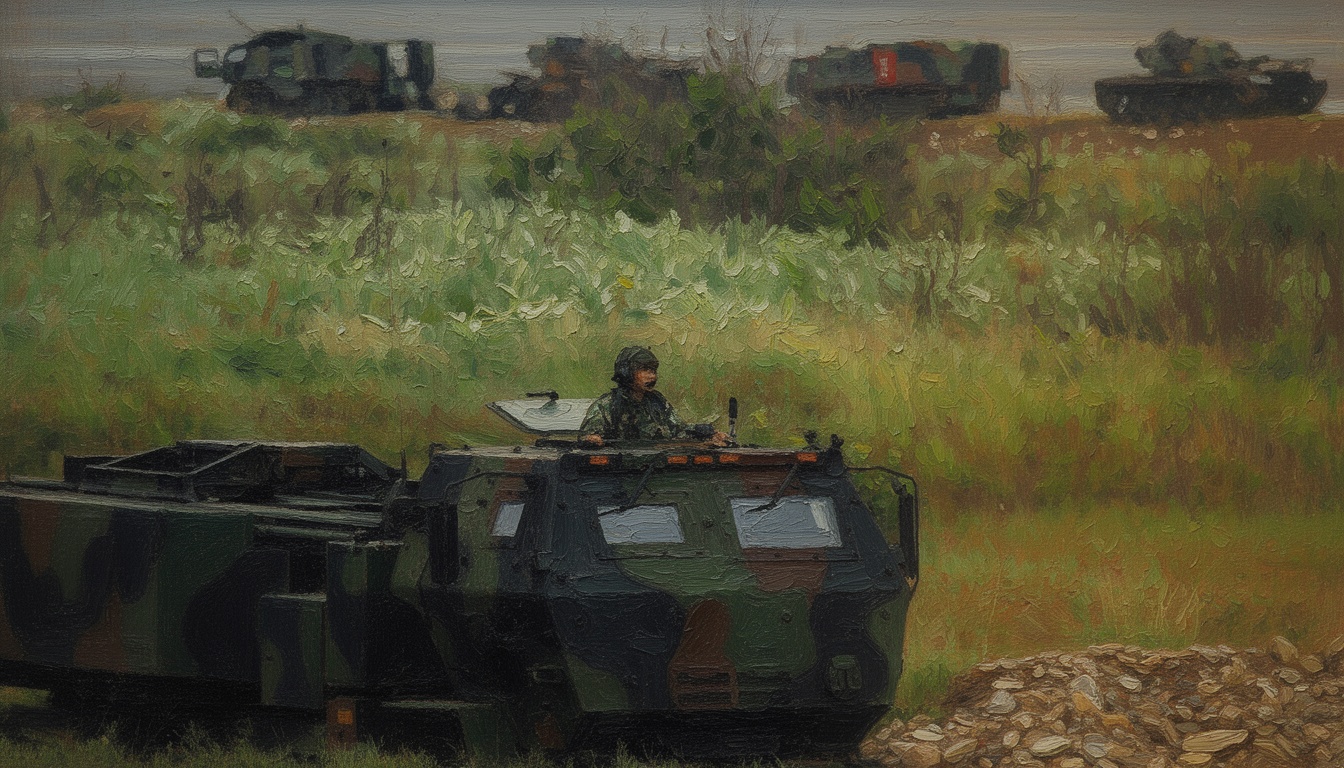
Taiwan Launches HIMARS, Aiming to Disrupt Chinese Attacks
Taiwan's recent HIMARS rocket launch signals a strategic shift in defense. The use of mobile strike weapons may disrupt potential Chinese incursions before they reach Taiwanese shores.
On June 10, Taiwan executed a significant military exercise, launching High Mobility Artillery Rocket Systems (HIMARS) towards the Taiwan Strait, aimed at the direction of mainland China. This event marks the first instance of HIMARS being deployed in this manner, illustrating a pivotal evolution in Taiwan’s defensive strategy. The maneuver demonstrates Taipei's intentions to preemptively counter potential threats from Beijing, reflecting a proactive stance in its military planning.
Historically, Taiwan's defense strategy has centered around deterrence and conventional military preparedness against a looming Chinese threat. However, the integration of mobile strike systems like HIMARS showcases a tactical shift. Analysts suggest that the change in approach underscores Taiwan's recognition of the need to create operational flexibility in response to increasingly aggressive posturing from the People's Republic of China.
The strategic significance of the HIMARS launch lies not just in the show of force, but in the communication it sends to both domestic and international audiences. The demonstration of advanced artillery capabilities aims to enhance deterrence and reassure allies about Taiwan’s military readiness. It may also prompt a reevaluation of China’s operational calculus regarding potential military actions in the region.
Technically, HIMARS is equipped with precision-guidance capabilities and can strike targets at distances exceeding 300 kilometers. This range allows Taiwan to reach deeper into Chinese territory, disrupting supply lines and command structures should conflict arise. The successful demonstration of these systems reflects Taiwan’s ongoing investment in military modernization and operational enhancement.
Looking forward, the implications of this exercise extend beyond military exercises; they suggest a shift in regional security dynamics. With tensions escalating, Taiwan’s capabilities to confront threats from China may embolden its defense posture, potentially leading to stronger responses from Beijing. The overall regional stability could be impacted as surrounding nations assess the growing military capabilities of Taiwan against the backdrop of Chinese ambitions in the Taiwan Strait.