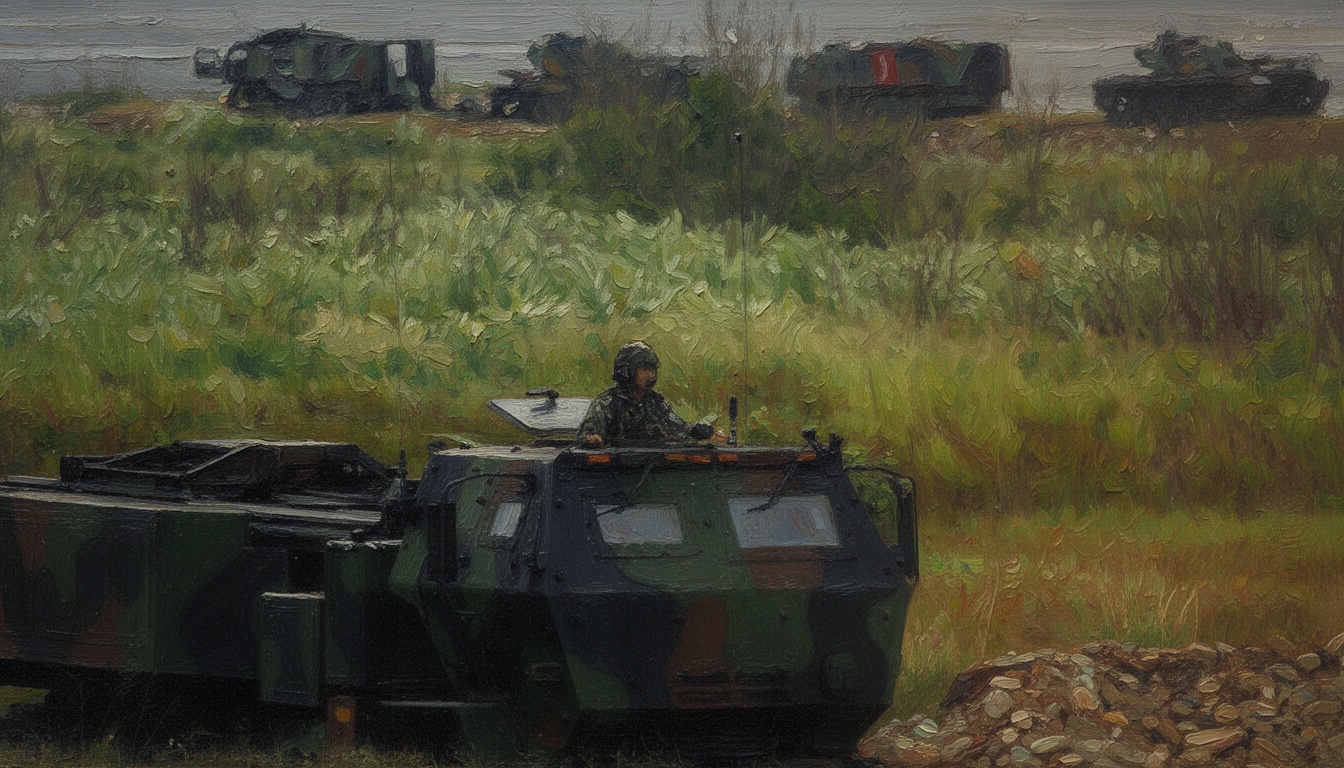
Taiwan Reforms Reserve Training to Address Military Shortage
Taiwan is enhancing its reservist training to include advanced weaponry, responding to demographic challenges and increasing threats from China. The move signifies a shift in Taiwan's defense posture as it seeks to bolster its military capabilities.
Taiwan is undertaking significant reforms to its military reservist training, extending the duration and intensity of training sessions. Reservists will now engage with advanced weapon systems, including drones and the US-made HIMARS (High Mobility Artillery Rocket System). This revamped training program, which spans 14 days, aims to address the island's pressing military manpower shortages, exacerbated by demographic declines in eligible recruits.
The urgency of these changes reflects the increasing pressures faced by Taiwan from China, which has intensified military incursions and rhetoric in recent years. The shrinking pool of young individuals eligible for military service has raised alarms, compelling Taiwanese authorities to rethink their defense strategy. This situation has underscored the importance of a well-prepared reserve force in bolstering Taiwan's defense capabilities against potential aggression.
Strategically, Taiwan's reliance on a mix of active and reserve forces is becoming paramount as it faces a more assertive military posture from Beijing. The introduction of advanced systems like HIMARS into reserve training not only enhances readiness but also symbolizes a significant evolution in Taiwan's defense policy. This program signals an intent to integrate modern warfare principles into traditional defense frameworks, potentially deterring aggression through improved capabilities.
Operational details of the training program include extended drills focusing on the utilization of drones in surveillance and interception roles, in conjunction with artillery systems like HIMARS. These advancements are seen as crucial as Taiwanese forces seek to adapt to an evolving threat landscape dominated by advanced technologies and asymmetric warfare tactics, which China is increasingly employing.
Looking ahead, the implications of this refocused training approach may be broad. If successful, Taiwan could significantly enhance its deterrent capabilities, encouraging potential adversaries to reconsider their military strategies against such a fortified defense. The emphasis on training for reservists ensuring they are equipped to operate sophisticated weapons may redefine the balance of power in the region as Taiwan aims to maintain its sovereignty and security against external pressures.