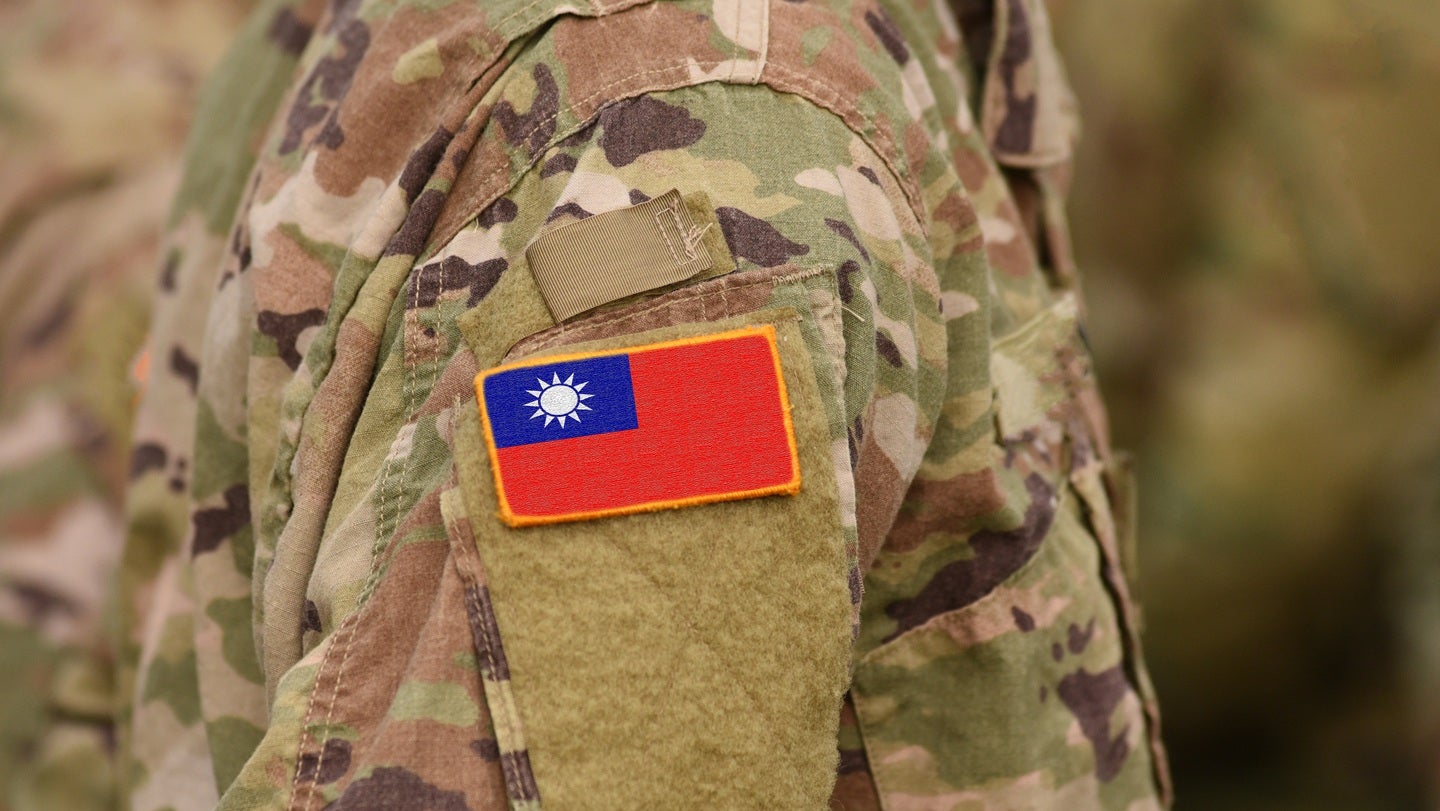
Taiwan to Increase Defense Budget by Nearly 10% Over Five Years
Taiwan is projected to raise its defense spending significantly, aiming for over 5% of GDP by 2031. This shift reflects heightened military readiness amidst regional tensions.
Taiwan's defense budget is expected to grow nearly 10% over the next five years, reflecting the island's commitment to strengthening its military capabilities. The increase in spending aligns with broader geopolitical shifts in the region, particularly tensions with the People's Republic of China. Currently, defense spending stands at about 4.2% of Taiwan's GDP, with plans in place to exceed 5% by 2031.
The rising defense budget is a response to increasing military pressure from China, which continues to assert its claims over Taiwan. This growth in military expenditure aims not only to bolster Taiwan's defense forces but also to enhance deterrence against potential aggression. Analysts note that the additional resources will allow Taiwan to invest in advanced weaponry and improve overall force readiness.
Strategically, this move is significant as it signals Taiwan's resolve to maintain its sovereignty amidst escalating tensions in the Taiwan Strait. With military modernization efforts underway, the focus remains on upgrading technologies and capabilities to better defend against specific threats. The increase in budget will facilitate the procurement of advanced missile systems and cyber defense measures, critical components of modern warfare.
Operationally, Taiwan's defense budget prioritizes not only conventional military assets but also focuses on asymmetric warfare capabilities. This includes a shift towards high-tech solutions, such as unmanned aerial vehicles and advanced air defense systems, which are vital for maintaining a competitive edge.
The likely consequence of this budget enhancement is a further straining of cross-strait relations, as China's response to Taiwan's military buildup may entail increased aggressive posturing or military exercises near Taiwan. Moreover, this elevation in defense spending is expected to resonate across the region, potentially influencing neighboring countries to reassess their own defense postures and alliances.