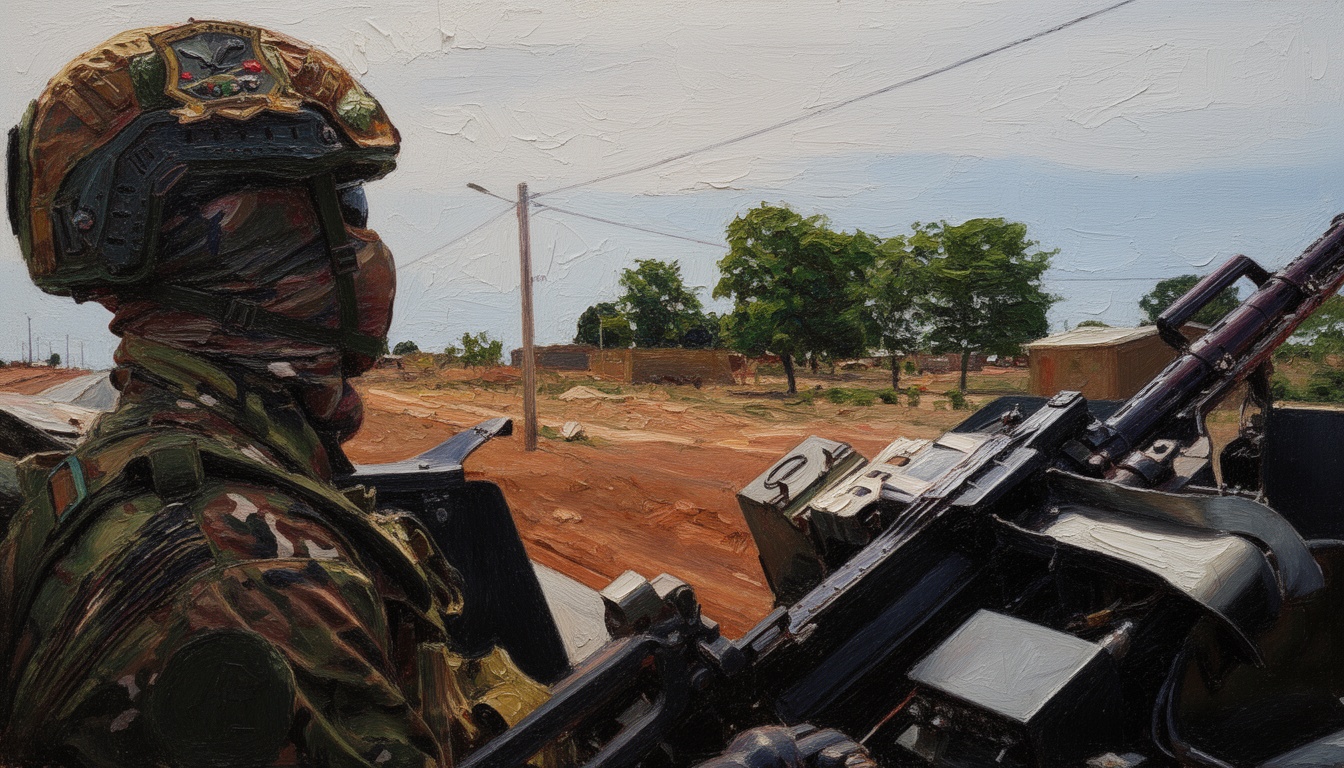
Tensions Flare at Ivory Coast-Burkina Faso Border
Ongoing tensions at the Ivory Coast-Burkina Faso border highlight growing security concerns in the region. The rise of auxiliary forces poses new threats amid jihadist activity.
Tensions along the Ivory Coast-Burkina Faso border have escalated significantly, driven by both jihadist threats and the emergence of new security challenges. The Volunteers for the Defence of the Homeland (VDPs), acting as auxiliary forces to the Burkinabé army, have exacerbated the situation in northeastern Ivory Coast. This region now experiences a complicated security dynamic, demanding urgent attention from international stakeholders.
Historically, the border area has faced instability primarily due to militant activity spilling over from the Sahel region. However, the VDPs have added a complex layer to the security landscape. Their involvement in the local conflicts, initially intended to support the Burkinabé government, has introduced tensions with Ivorian forces, raising the risk of armed confrontations.
The strategic significance of these developments cannot be understated. As the VDPs engage more actively in combat operations, the potential for conflicts between Ivorian and Burkinabé forces increases. This instability threatens to disrupt already fragile security conditions in a region that has been struggling with rising violence and the impact of jihadist groups. Therefore, the continued monitoring and possible intervention by regional powers may be necessary to prevent further escalation.
Operationally, the involvement of the VDPs raises questions about the efficacy of security measures in place. With the Burkinabé army relying on these auxiliary forces, Ivorian defense strategies must adapt to address not only the external jihadist threat but also potential confrontations with the VDPs. This situation may require a reconsideration of defense policies and cooperation models in the West African region.
In summary, the tensions at the Ivory Coast-Burkina Faso border signal critical challenges in maintaining regional security. If left unaddressed, these might further complicate existing conflicts and attract the attention of international forces, who may need to intervene to restore stability in the region.