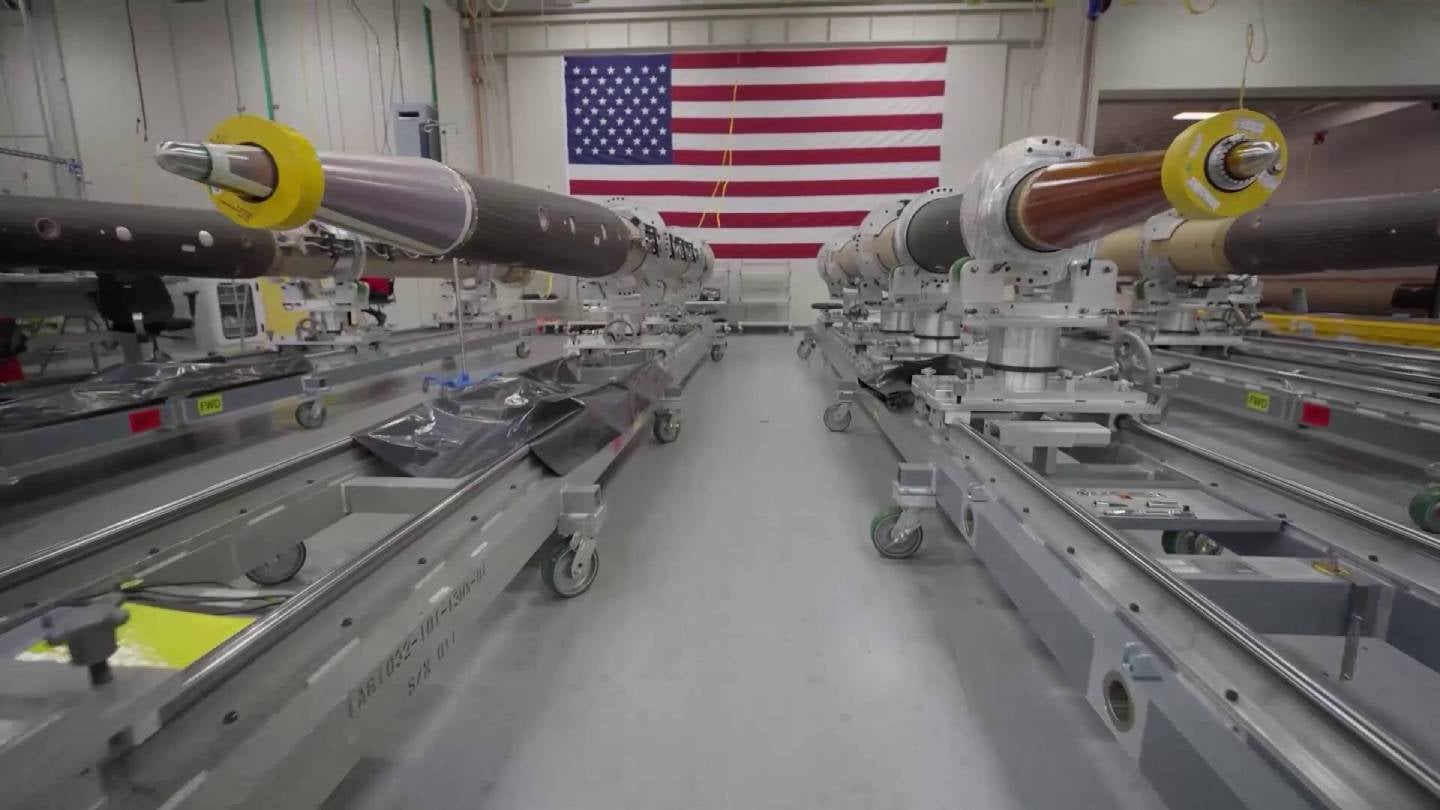
THAAD Production Set to Quadruple Following $35 Billion Contract
The production capacity for THAAD interceptors will increase significantly, reflecting U.S. commitment to missile defense. This move may also affect global security dynamics.
The U.S. government's recent $35 billion contract will lead to a fourfold increase in the production capacity of Terminal High Altitude Area Defense (THAAD) interceptors. This substantial investment is aimed at enhancing the missile defense capabilities against evolving threats, particularly from countries like North Korea and Iran.
THAAD systems are crucial for providing defense against short, medium, and intermediate-range ballistic missiles by intercepting them in their terminal phase. The commitment to quadruple production emphasizes the increasing focus on strengthening U.S. missile defense systems and maintaining deterrence capabilities in a rapidly changing global security environment.
In light of rising tensions in various regions, including Northeast Asia and the Middle East, the enhanced production capabilities could bolster U.S. allies' confidence in their security arrangements. Countries within the Asia-Pacific region might see this as a reassurance against potential threats, while also straining relations with adversarial states.
The THAAD system is built to function in conjunction with other missile defense systems, such as Aegis and the GMD (Ground-based Midcourse Defense). This concerted defensive architecture represents a significant technological leap, with each THAAD battery capable of tracking and intercepting threats within a range of approximately 200 kilometers.
Moving forward, the substantial increase in THAAD production may not only enhance the U.S. defensive posture but could also lead to an arms race in advanced missile defense systems among major powers. It is crucial to watch how this decision shapes international military alliances and defense policies in the coming years.