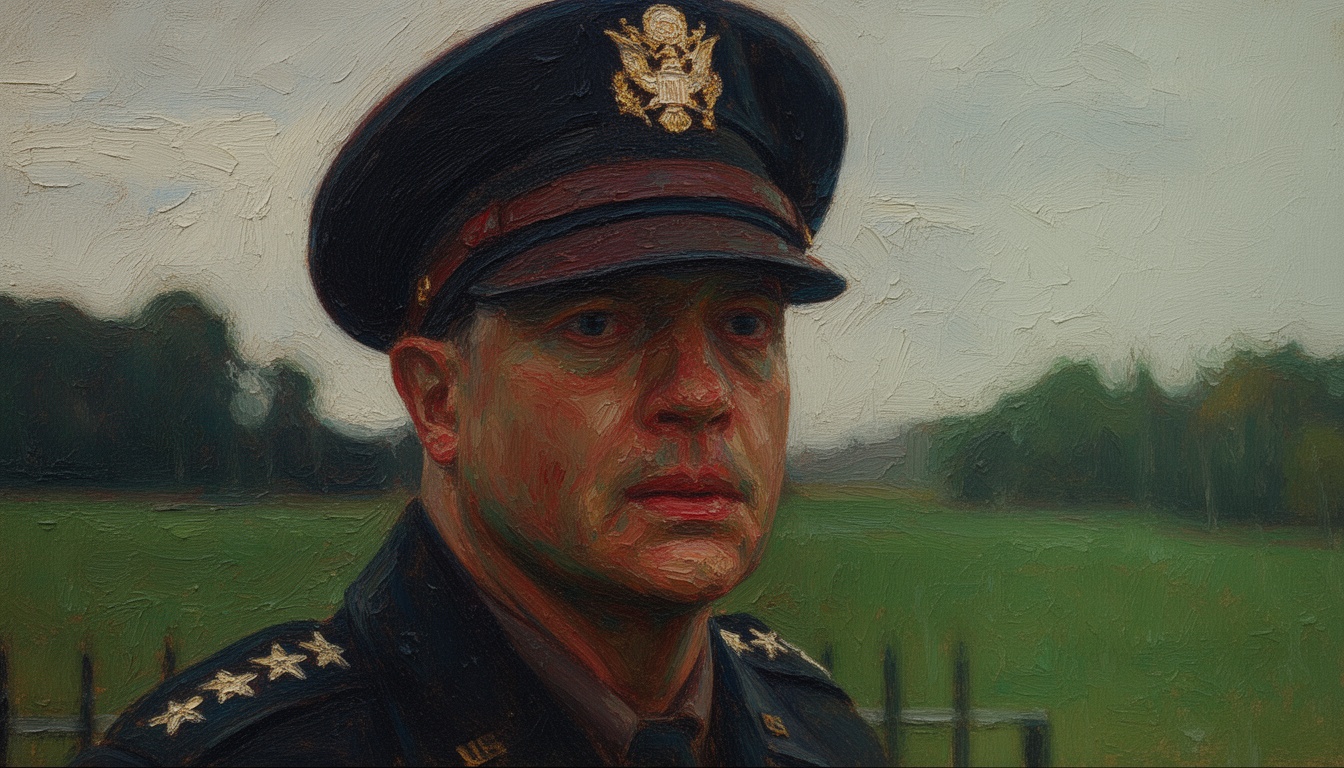
‘Thank the Gods of War’: D-Day Success Hinges on Weather
The planning of the D-Day invasion was contingent on weather forecasts. Eisenhower faced immense pressure as the operation hinged on favorable conditions.
The strategic success of the D-Day invasion during World War II depended significantly on the weather. As Allied forces prepared for the operation on June 6, 1944, General Dwight D. Eisenhower, the Supreme Commander, faced immense pressure. Reports indicated that adverse weather conditions could jeopardize the highly anticipated assault on German-occupied France.
Weather forecasts were critical during the D-Day planning process. A small window of opportunity existed where tides and weather conditions would align favorably for the extensive amphibious assault. Eisenhower, alongside his staff, closely monitored meteorological forecasts in the days leading up to the invasion, understanding that a decision to proceed would change the course of history and determine the fate of countless soldiers.
The implications of the weather conditions were far-reaching. Successful landings at Normandy depended on the ability of Allied forces to gain a foothold in Europe. A delay or failure due to poor weather could have resulted in significant losses and possibly altered the outcome of the war. The operation's planners devised contingency plans, but the hope remained that the forecast would support a swift push against the Axis forces.
During the early hours of June 6, the weather was on the cusp of change. Reports indicated that although conditions were initially challenging, a brief reprieve appeared just in time for the operation. This realization allowed Allied commanders to give the order to launch the invasion, fundamentally shifting the tide of the conflict in favor of the Allies.
In retrospect, the successful execution of the D-Day invasion not only marked a pivotal moment in WWII but also underscored the crucial role of intelligence and data in military strategy. Eisenhower's reliance on accurate weather forecasts was instrumental in achieving the surprise and timing needed for the Allies to break through enemy defenses along the French coastline.