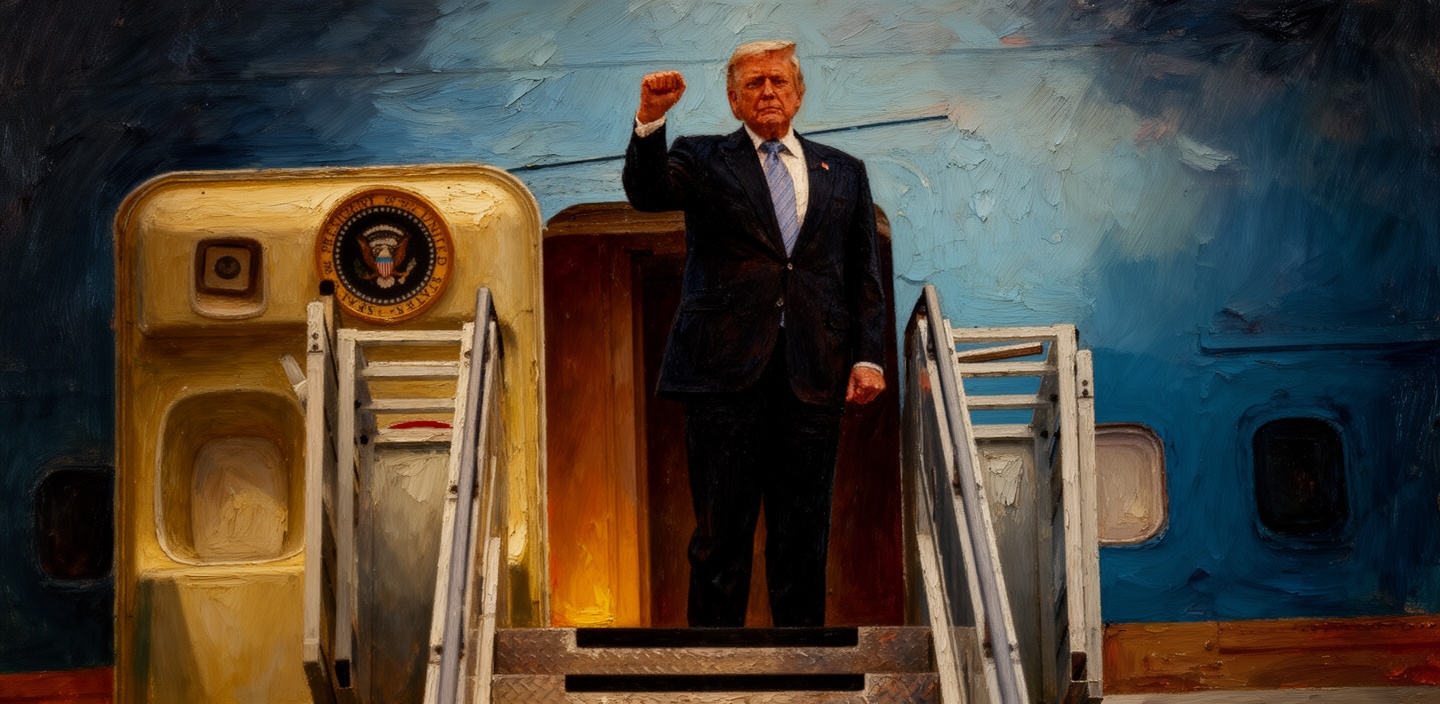
Trump and Xi Plan Strategic Summit on Air Force One
The upcoming summit between the US and China could reshape global dynamics. Discussions focus on trade and military cooperation.
In a significant development, US President Donald Trump and Chinese President Xi Jinping have scheduled a strategic summit on Air Force One. This meeting is expected to address pressing issues, including trade disputes and military cooperation between the two major powers. The timing comes amid increasing tensions in various regions, making the summit crucial for future bilateral relations.
The relationship between the United States and China has faced several challenges in recent years, particularly in trade, technology, and military engagements in the South China Sea. Both nations are looking for ways to navigate these challenges without escalating into a full-blown conflict. The summit aboard the presidential aircraft signifies a high-stakes dialogue designed to foster stability and cooperation.
This summit holds substantial strategic significance. As two of the world's largest economies, any agreements or disagreements reached could reverberate across global markets, affecting supply chains and international trade balances. Additionally, the military cooperation discussions could address security concerns in the Indo-Pacific region, potentially shaping future defense strategies.
Air Force One, a highly advanced Boeing 747-200B, is equipped with security features and communications capabilities that allow for secure discussions between world leaders. This aircraft serves as both a transport vehicle and a mobile command center, emphasizing the importance of the talks taking place during the flight.
The likely outcomes of this summit could set the tone for US-China relations for years to come. Success in negotiations might lead to a more collaborative approach on trade and defense, while failure could escalate tensions further. Analysts suggest monitoring the summit's developments closely, as its ramifications will likely extend beyond bilateral relations to influence global geopolitical stability.