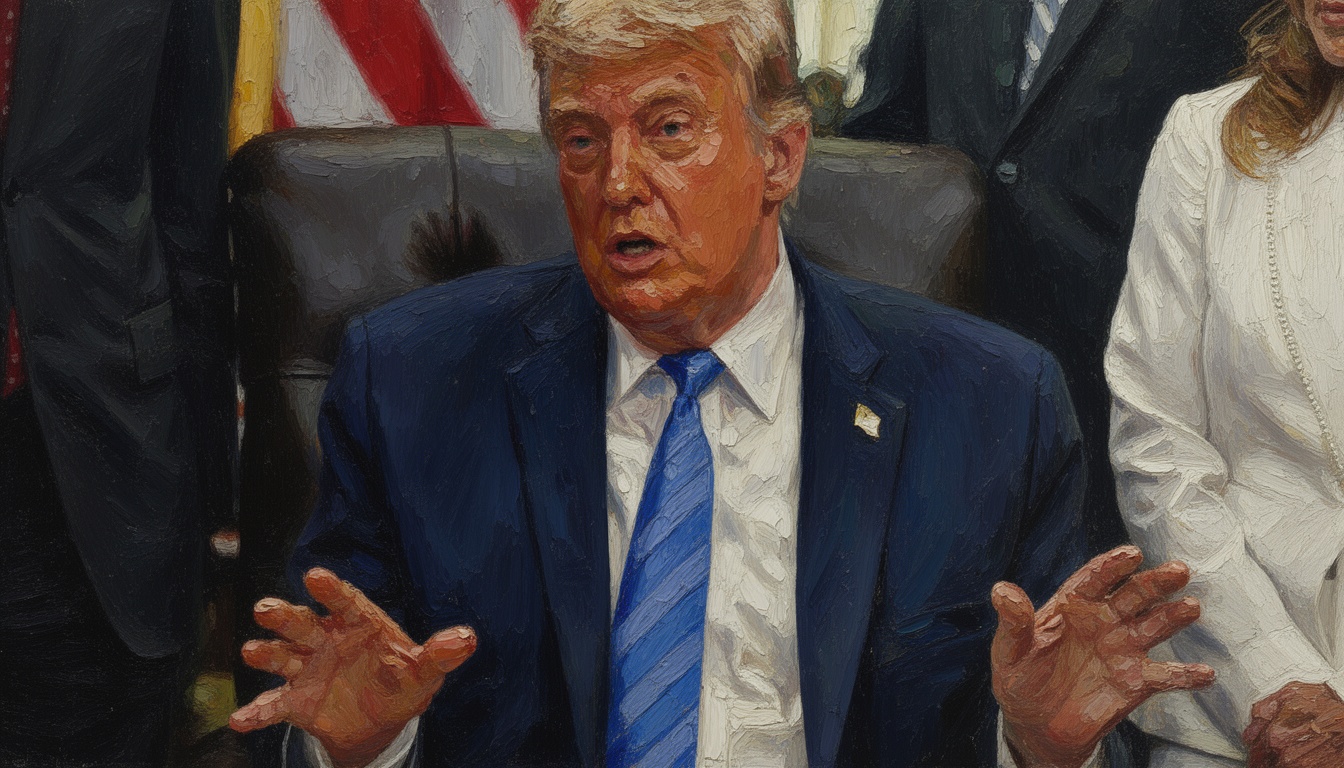
Trump Cancels Iran Strikes After High-Level Negotiations
US President Donald Trump has called off military strikes against Iran due to successful negotiations. This development highlights the shifting dynamics of US-Iran relations amid ongoing diplomatic efforts.
On Thursday, US President Donald Trump announced the cancellation of planned military strikes against Iran. This decision follows negotiations that reportedly reached the highest tiers of Iranian leadership. Trump stated that the discussions were approved by all parties involved, leading to his decision to halt military action.
The background context of this situation illustrates fluctuating tensions between the United States and Iran. Historically, relations have been strained, influenced by factors such as Iran's nuclear program and regional activities. However, the recent negotiations indicate a potential thaw in these relations, reflecting a strategic pivot from military confrontation to diplomacy.
Strategically, this development could significantly alter the balance of power in the Middle East. Diplomatic engagement may pave the way for a more stable regional framework, reducing the likelihood of armed conflict. The US's willingness to engage in dialogue, rather than resort to military action, signals a possible shift in long-standing policy towards Iran.
From a technical perspective, had the strikes proceeded, they would likely have involved targeted airstrikes using advanced weaponry, potentially impacting Iranian military infrastructure. The exact military plans were not disclosed, but previous operations have included precision strikes aimed at Iranian facilities.
The cancellation of these strikes may have lasting consequences for US-Iran relations, as well as for US allies in the region. Increased diplomatic engagement could lead to de-escalation of tensions, providing an opening for future negotiations. However, skepticism remains among some observers regarding Iran's commitment to negotiations given its history of regional assertiveness and commitment to its strategic objectives.