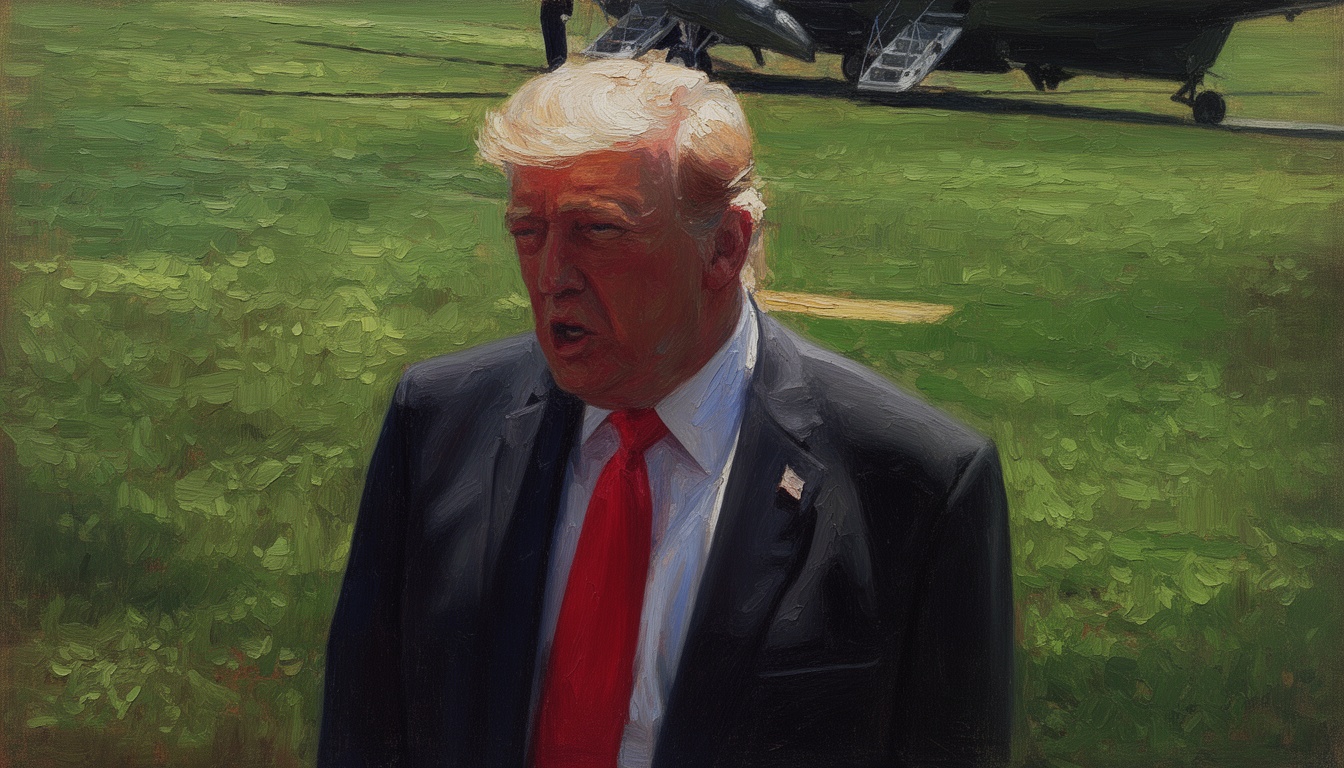
Trump Claims Hostilities in Iran Have Ended
The U.S. President declared the end of hostilities in Iran, contesting compliance with the War Powers Resolution. This statement marks a critical juncture in military engagement authorization from Congress.
On Friday, President Donald Trump declared that hostilities in Iran have officially ended, citing a ceasefire established earlier in April. This announcement occurred just as the 60-day deadline for Congress to authorize continued military action under the War Powers Resolution expired. Trump’s assertion raises significant constitutional questions about the separation of powers between Congress and the presidency regarding military engagement.
The War Powers Resolution, enacted in 1973, requires the President to obtain congressional authorization for military engagements lasting over 60 days. Trump's administration has consistently maintained that this law is unconstitutional, positioning the executive branch's authority to act independently in military matters. His latest comments challenge Congress's ability to influence ongoing military operations.
Strategically, this declaration may affect U.S. posture in the Middle East, particularly regarding Iran's military behavior and regional alliances. The emergence of such statements from a sitting president could embolden adversaries while simultaneously assuaging domestic pressures for congressional oversight of military decisions.
Operationally, the specifics of the current military presence in Iran remain unclear following Trump's announcement. The U.S. has retained various assets in the region, including naval vessels, to project power and deter potential threats. However, the President’s declaration of a ceasefire necessitates a reassessment of military readiness and potential future engagements.
Looking ahead, Trump’s stance may prompt a reevaluation of Congress's role in military decisions, potentially leading to a broader debate on the executive powers regarding military action. This shift could have longstanding implications for U.S. foreign policy and military strategy in volatile regions such as the Middle East.