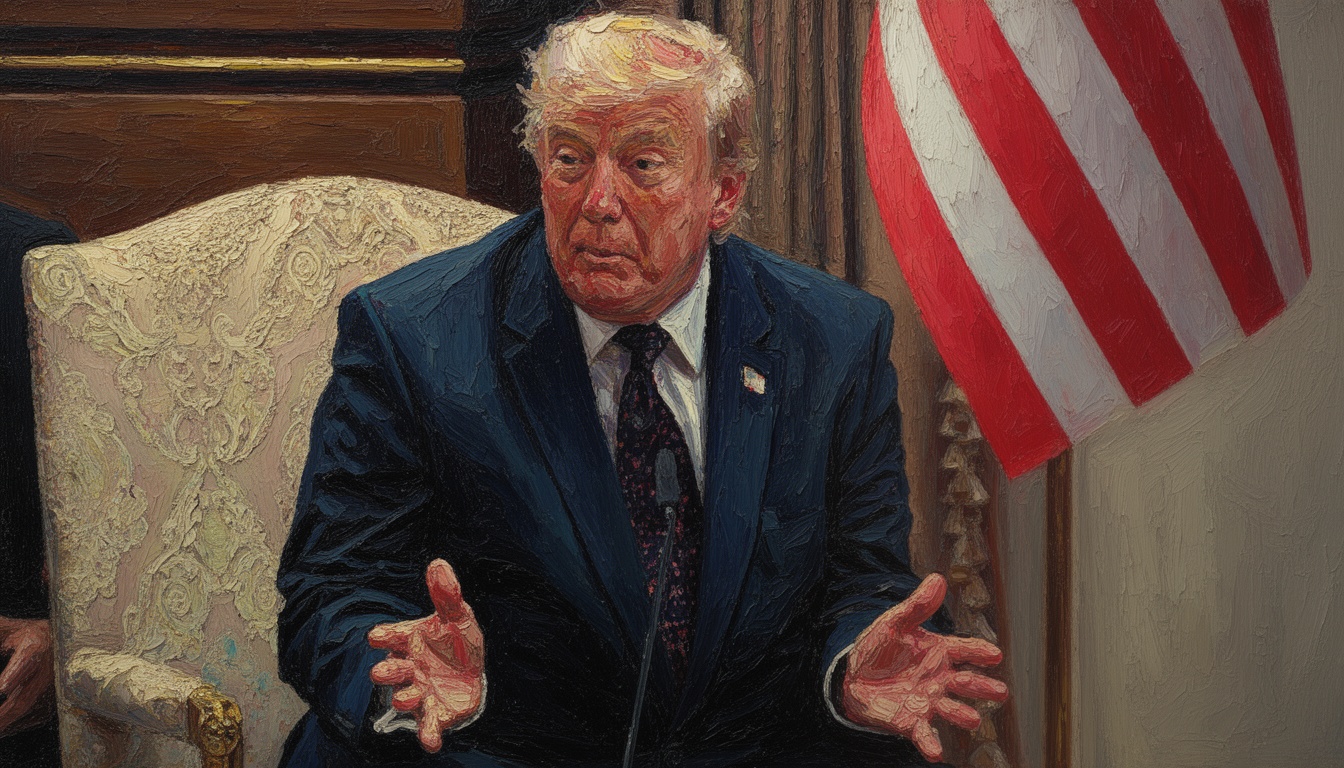
Trump Criticizes NATO Allies for Iran Conflict Support
US President's remarks highlight tensions within NATO regarding support for US military actions. This division could impact collective defense strategies.
US President Donald Trump has sharply criticized NATO allies for their lack of support regarding the ongoing conflict with Iran. In a recent statement, he expressed disappointment over their refusal to back the United States amidst rising tensions in the Middle East. The remarks underscore a growing rift within the alliance, raising questions about NATO's unity in responding to global threats.
NATO has historically been viewed as a collective defense organization, but recent events have highlighted differing priorities and approaches among its members. Trump's comments reflect not only his administration's frustrations but also concerns over the effectiveness of NATO in addressing new security challenges, particularly in relation to Iran, which has been involved in various proxy conflicts in the region.
The strategic implications of this divide are significant. As countries like Iran expand their influence, the need for a cohesive NATO response becomes critical. This situation challenges the principle of collective defense outlined in Article 5 of the NATO treaty, which states that an attack against one member is considered an attack against all.
Moreover, the dynamics of NATO's military capacity may be tested if member states remain hesitant to support US initiatives in the region. Countries with significant military resources, such as France and Germany, have shown reluctance to engage directly, opting instead for diplomatic solutions. This divergence could hinder the alliance's operational readiness and impact future joint missions.
Looking ahead, the continued lack of agreement among NATO members regarding military support in conflicts like that with Iran may lead to a re-evaluation of defense postures. A unified NATO response will be crucial not only for maintaining regional stability but also for preserving the credibility of the alliance itself in the face of multifaceted global threats.