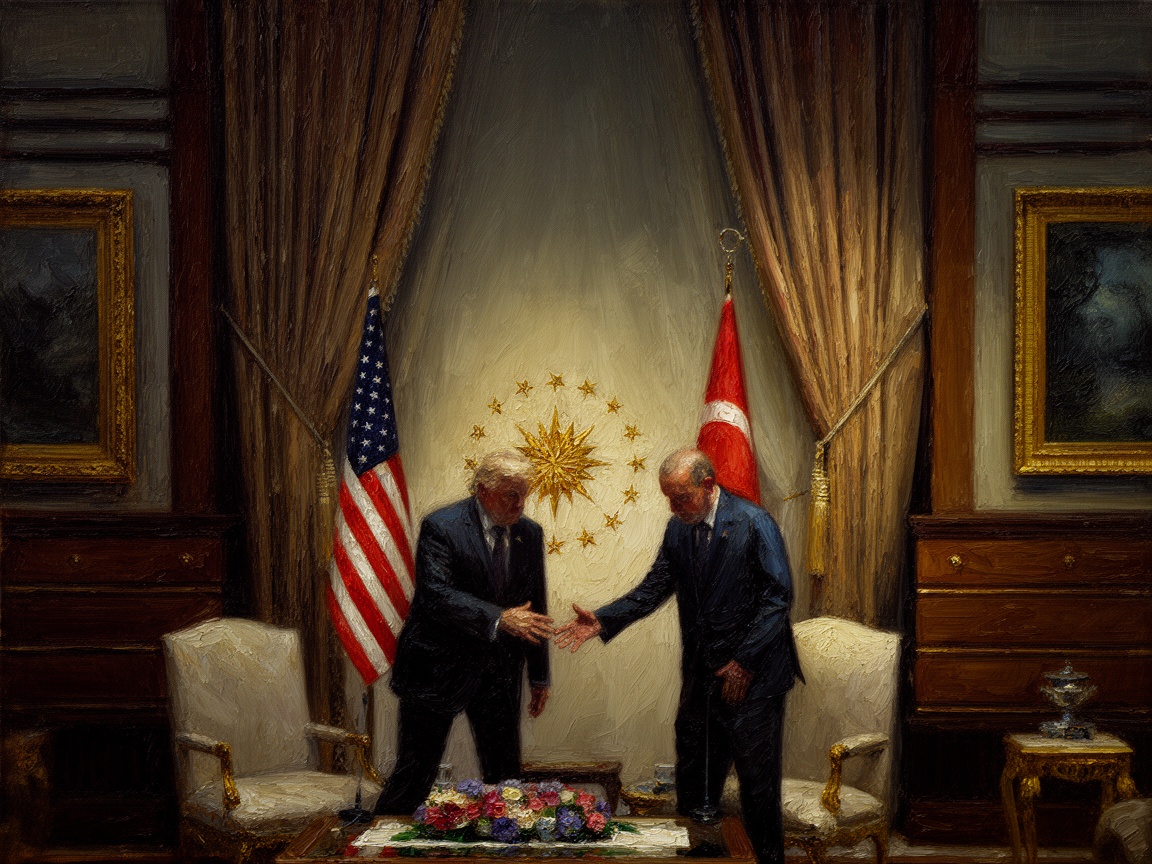
Trump Criticizes NATO at Summit in Türkiye
The NATO summit in Ankara highlights defense spending and the Russia-Ukraine conflict. Leaders are discussing strategic military alliances and funding.
On Tuesday, US President Donald Trump criticized NATO member states during the first day of the two-day summit in Ankara, Türkiye. The discussions focus on increasing defense spending amid ongoing tensions due to the Russia-Ukraine war, which has prompted calls for stronger military readiness from member nations. As leaders convene, topics like collective defense and support measures for Ukraine are on the agenda.
This summit marks a pivotal moment for NATO, especially as member countries reassess their military commitments in light of recent geopolitical developments. The Russia-Ukraine conflict has unveiled the necessity for enhanced cooperation and stronger defense postures among NATO allies. Leaders are expected to address the implications of the war and the need for unity in responding to threats from Russia.
NATO's defense spending targets will be a significant focal point at this summit, with many members urging the need to allocate a minimum of 2% of their GDP to defense. Current expenditures are under scrutiny, and countries like Türkiye, Germany, and France are facing pressure to increase their contributions. The summit will also delve into the implications of the conflict on Eastern European security and defense strategies.
In operational terms, the discussions may lead to new military initiatives and funding commitments from member states. Facilitating joint operations and enhancing rapid response capabilities could be on the table, especially in response to Russia's recent military actions. Türkiye, as a strategic member of NATO, is poised to play a critical role in shaping these conversations.
Looking ahead, the outcomes of this summit could significantly impact NATO's future direction. A unified approach among member states on defense coordination and spending will be essential in countering aggressive moves from adversaries such as Russia. Long-term implications for regional security and military readiness will stem from the agreements reached in Ankara.