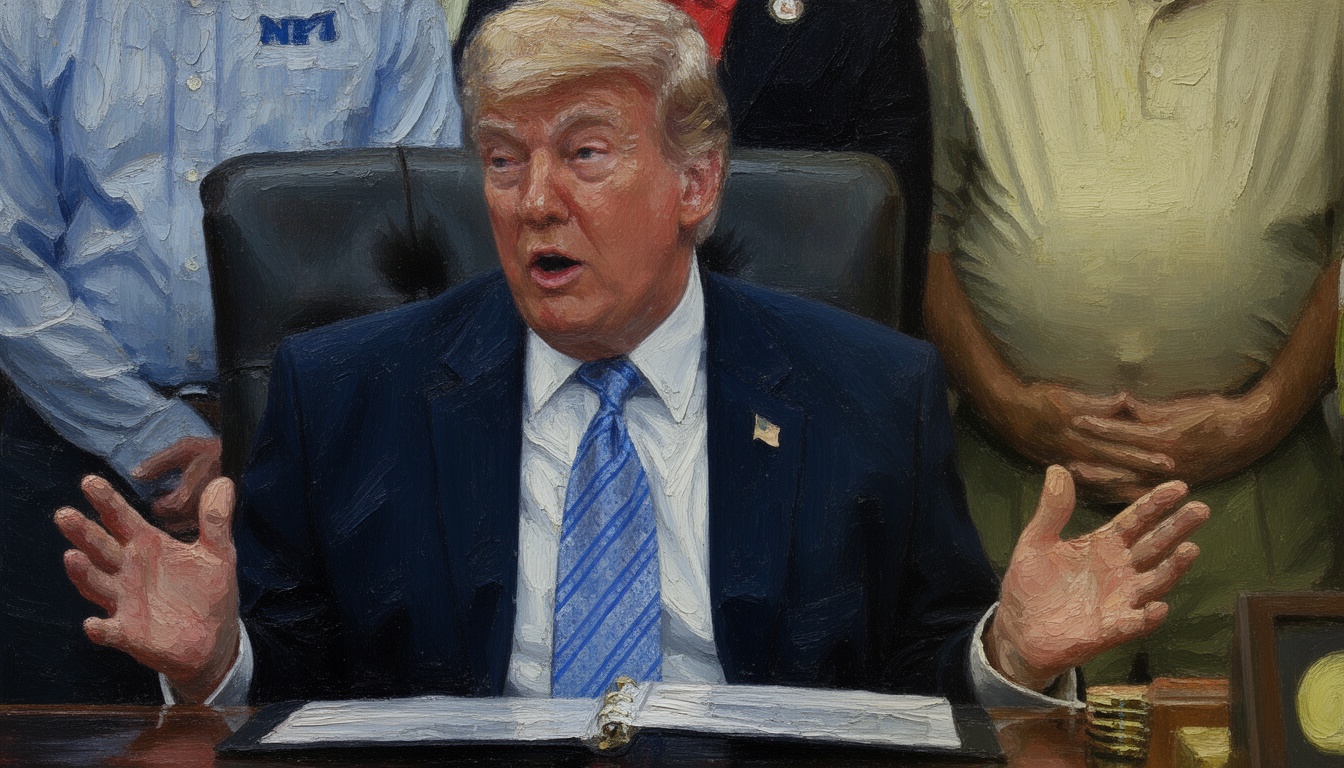
Trump Deploys 5,000 US Troops to Poland Amid Defense Pressures
The deployment of 5,000 US troops to Poland signifies heightened military commitments amid tensions in Europe. This development underscores the shifting dynamics in NATO's defense responsibilities.
On Thursday, US President Donald Trump announced the deployment of 5,000 troops to Poland, reversing a previous decision to cancel their deployment. This move comes as Washington intensifies its calls for European nations to contribute more significantly to their own defense efforts. The situation reflects ongoing security concerns amid rising tensions in Eastern Europe, particularly in the context of Russia's actions.
The decision to send additional troops is part of a broader strategy to bolster NATO's northeastern flank, which has been under increasing scrutiny following Russia's annexation of Crimea in 2014. NATO’s eastern member states, including Poland, have long advocated for a stronger US presence as a deterrent to potential aggression from Russia. This recent deployment may be intended to reassure these nations of continued US commitment to regional security.
Strategically, the introduction of 5,000 troops will enhance the United States' ability to respond to crises in the region while providing support to NATO allies. It reflects a significant military posture shift at a time when many European nations are reassessing their defense budgets and capabilities. The US has historically played a central role in securing European stability, and this deployment signals a commitment to maintaining that role.
Operationally, the troops likely include various combat and support units equipped for rapid deployment and readiness. This force addition is consistent with increasing military exercises and presence in Eastern Europe since 2014. Such a show of force is aimed not just at deterrence, but also at improving interoperability with NATO allies in joint exercises and readiness initiatives.
Looking ahead, this decision may prompt reactions from Russia, which often views NATO's military presence near its borders as a provocation. Expect potential shifts in military posture or rhetoric from Moscow in response to the escalated US presence in Poland. This development is also likely to influence discussions within NATO concerning collective defense responsibilities and burden-sharing among member states.