Trump Invokes Defense Production Act to Bolster Weapons Stockpiles
U.S. weapons stockpiles face strain amid ongoing conflicts, particularly in Iran. Discussions between China and Pakistan on U.S.-Iran memorandum highlight regional tensions.
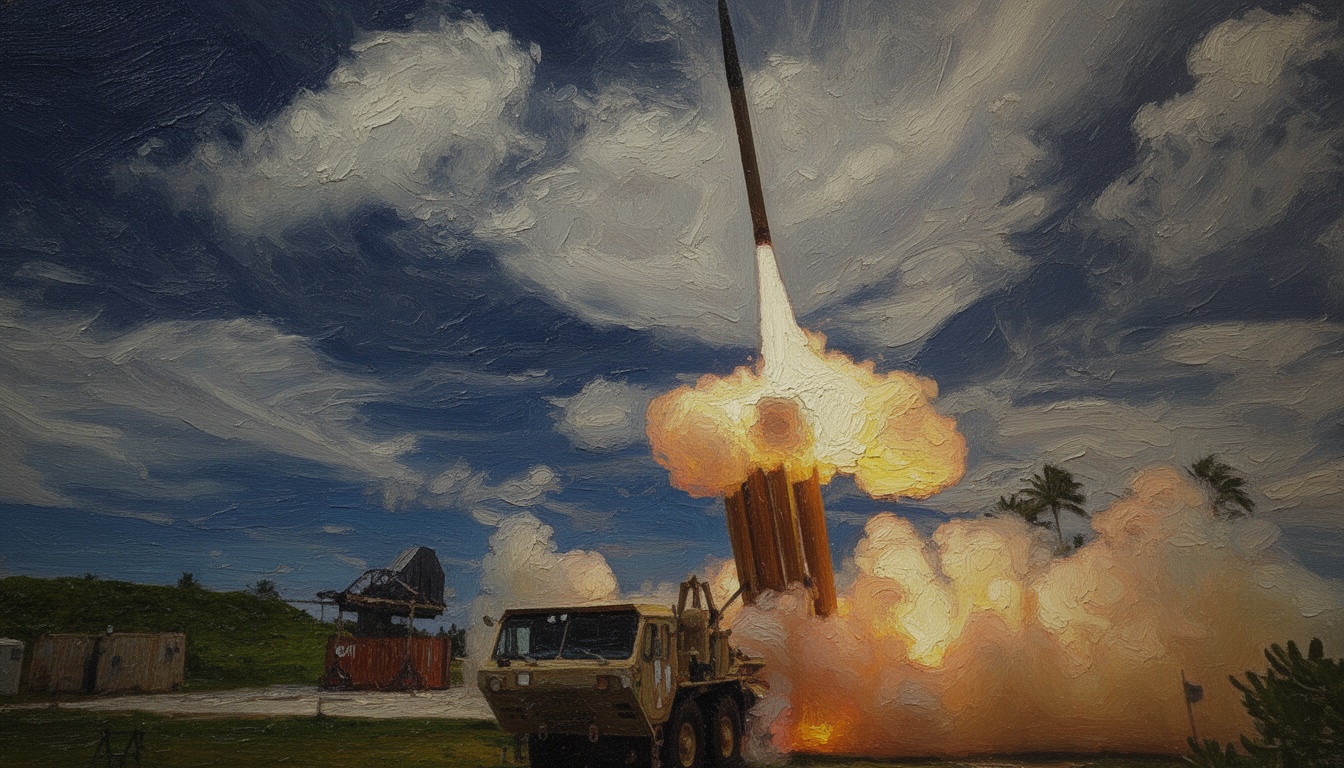
U.S. President Donald Trump has activated the Defense Production Act to enhance the country's weapons stockpiles. Critics argue that these stockpiles have been significantly stretched due to the ongoing conflicts, especially the war in Iran. This move indicates a sense of urgency in addressing weapons readiness in light of escalating international tensions.
Background context indicates that the war in Iran has lasted for 109 days and has drawn considerable criticism regarding the U.S.'s strategic engagement in the region. The recent memorandum of understanding (MOU) between the U.S. and Iran, which was announced on Sunday, has added to the geopolitical complexities surrounding this conflict.
The discussions between Chinese Foreign Minister Wang Yi and Pakistani Foreign Minister Bilawal Bhutto Zardari on Tuesday signal a burgeoning cooperation in the region regarding U.S. actions and their implications for stability. The implications of the MOU and its potential consequences are still unclear, triggering concern among various stakeholders.
In technical terms, the Defense Production Act allows the U.S. government to compel private industry to prioritize defense contracts and enhance production capacity. This move could lead to increases in specific weapon systems, but details on allocations or types of arms remain undisclosed for security reasons.
Forward assessments suggest that as regional players like China and Pakistan engage in dialogue concerning U.S. military strategies, the potential for further escalation of conflicts increases. The ongoing situation in Iran coupled with the responses from global powers could reshape diplomatic relations and influence military decision-making for months to come.