Trump Leaves China with Uncertainty on Taiwan and Iran
Trump's visit to China raises questions over his policies on Taiwan and Iran. The lack of clarity may impact regional stability and military dynamics in East Asia and the Middle East.
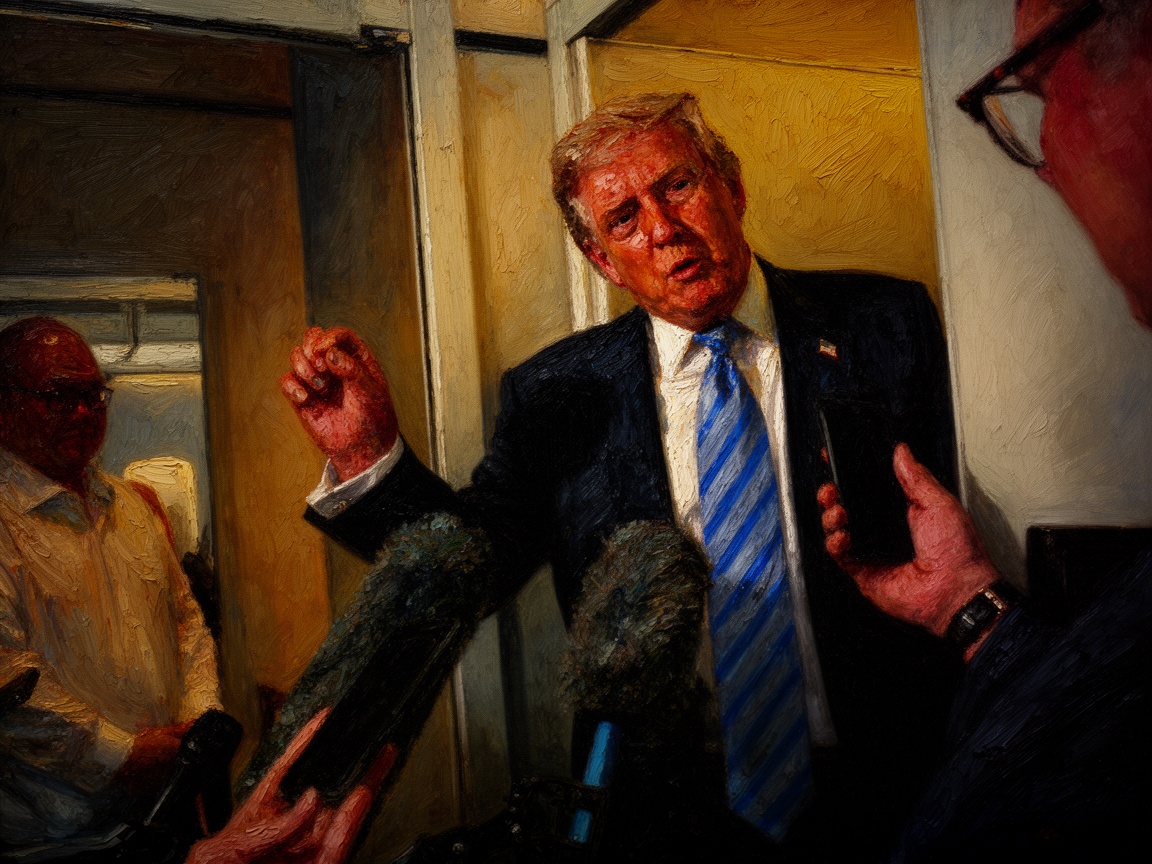
Former U.S. President Donald Trump concluded his visit to China with mixed messages regarding critical geopolitical issues, specifically the new weapons package for Taiwan and tensions with Iran. Speaking to reporters, Trump stated he was still undecided on the fate of the Taiwan arms deal, which has implications for U.S.-China relations and Taiwan’s self-defense capabilities.
Taiwan has increasingly sought to bolster its defense amid rising Chinese aggression, particularly with the People's Liberation Army conducting regular military exercises near the island. The weapons package, which reportedly includes advanced missile systems and surveillance technology, is under consideration by the Biden administration but faces uncertainty as Trump appraises the situation.
Strategically, Trump's ambiguous stance on Taiwan suggests potential complications for regional security in East Asia. Without a clear commitment to support Taiwan, the U.S. risks emboldening Chinese military maneuvers and undermining deterrence in the region.
On the Iranian front, Trump remarked that he was not "asking for any favors" regarding Iran, a nuanced remark that may reflect his ongoing evaluation of U.S. sanctions and diplomatic strategies against Tehran. This position could affect the Biden administration's engagement efforts with Iran, particularly surrounding its nuclear ambitions.
The implications of Trump's statements are significant. As the U.S. navigates its foreign policy towards China and Iran, uncertainty may prevail, potentially affecting military readiness and alliances in both regions. Observers will closely monitor how Trump's approach evolves and how it influences U.S. engagements with pivotal global actors.