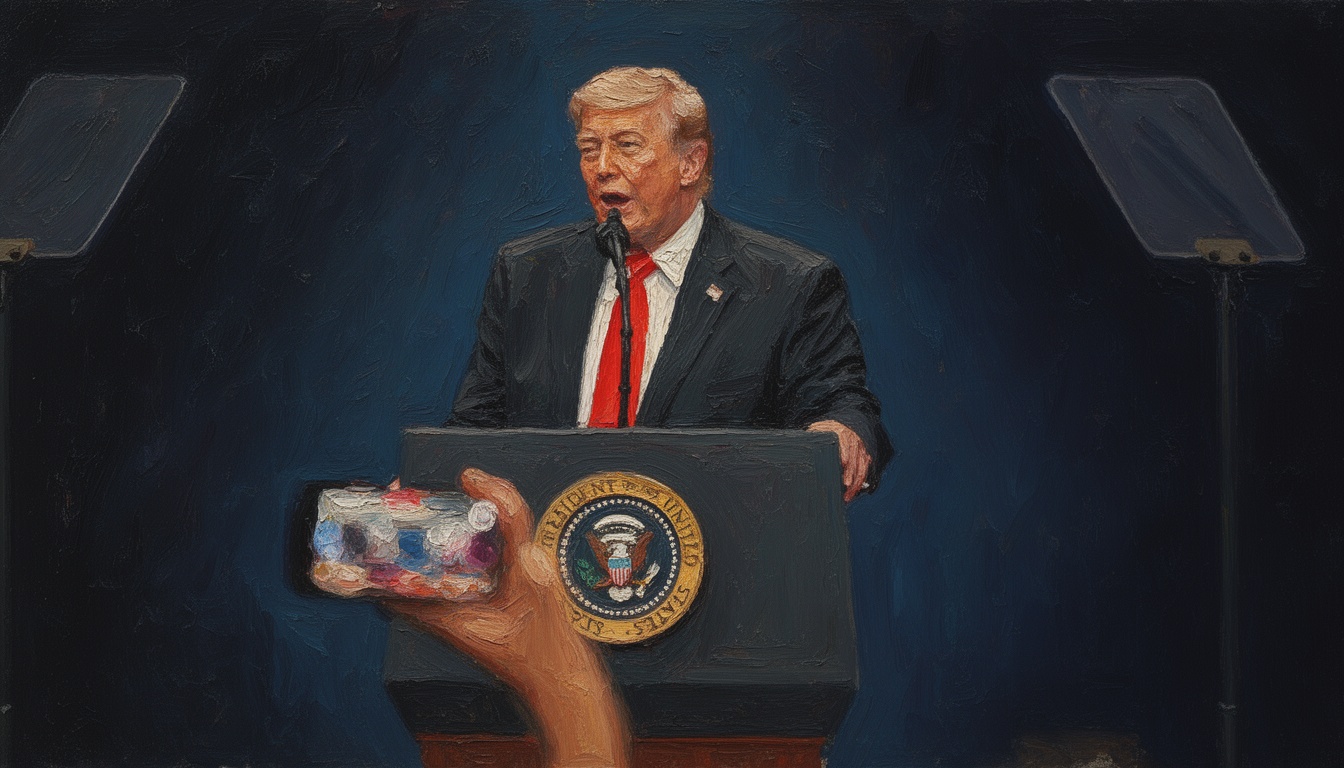
Trump Rejects Iran's Peace Proposal, Tensions Escalate
Renewed hostilities between the US and Iran seem imminent as both sides remain at an impasse. A fragile ceasefire continues, but diplomatic efforts show no progress.
Donald Trump stated on Friday that he is dissatisfied with Iran's recent proposal for peace talks, suggesting a breakdown in diplomatic negotiations. Trump emphasized that the conditions set forth by Iran do not meet US expectations for security and accountability in the region. His comments come amid ongoing tensions between the two nations, which have been exacerbated by mutual distrust and hostile remarks.
The backdrop of these statements includes a ceasefire that has lasted for three weeks but is increasingly fragile. An unnamed senior Iranian official responded to Trump's remarks by indicating that renewed conflict between the United States and Iran has become 'likely.' This prediction signals a worrying trend, as both nations grapple with military posturing while attempting to navigate a complex diplomatic landscape.
Strategically, the potential resumption of hostilities could destabilize the Middle East further, affecting global oil supplies and regional alliances. The US continues to maintain a military presence in the region, while Iran's military capabilities have been bolstered through recent exercises aimed at demonstrating readiness and resilience.
On the operational front, both the US and Iran possess advanced military assets that could be deployed rapidly. The US maintains a fleet that includes aircraft carriers like the USS Abraham Lincoln, while Iran possesses missile systems embedded with dense and dispersed assets capable of retaliatory strikes. Tension remains high as each side weighs the implications of escalating military action versus diplomatic engagement.
If renewed fighting were to commence, the consequences could be dire not only for the immediate regions involved but also for international relations more broadly. Analysts are concerned that the ongoing cycle of escalation could lead to a significant conflict, disrupting trade and security arrangements established over decades. Maintaining open channels for dialogue is crucial, yet the path forward appears increasingly obstructed.