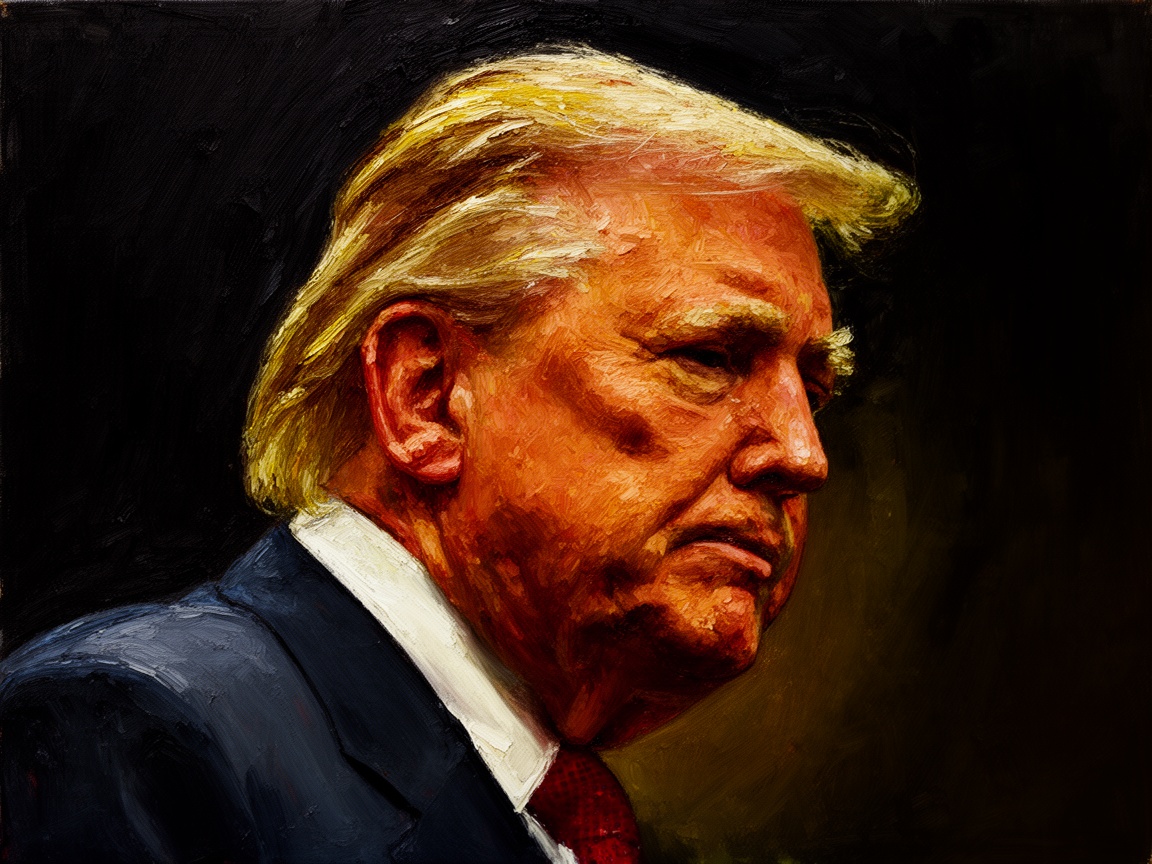
Trump Vows No Iran Nuclear Capability Amid Tensions
US President Donald Trump asserts that Washington monitors all nuclear materials in Iran and warns against any attempts to access them. This statement underscores escalating tensions in the region regarding Iran’s nuclear ambitions.
US President Donald Trump declared that the United States will not allow Iran to amass enriched uranium. During a recent press conference, he emphasized that Washington has kept the nuclear material in Iran 'surveilled.' He further stated that anyone who attempts to approach this material will face severe consequences, stating, 'We will blow up anyone who gets near it.'
This declaration aligns with ongoing concerns about the Iranian nuclear program, which has been a focal point of international discourse for years. The United States has consistently advocated for stringent restrictions on Iran's nuclear activities, especially following the US withdrawal from the Joint Comprehensive Plan of Action (JCPOA) in 2018. Trump's comments indicate a hardline stance that continues to reject any potential negotiation with Tehran.
Strategically, Trump's assertions reflect heightened military readiness within the region, as they signal a willingness to use force to prevent Iran from achieving nuclear capability. This could lead to increased military presence or exercises in neighboring areas, particularly in the Persian Gulf, as a form of deterrence.
The operational details surrounding US monitoring remain less transparent; however, intelligence and surveillance assets likely include advanced reconnaissance technologies. The US maintains a fleet of naval vessels in the region, including aircraft carriers and destroyers, which could be utilized for rapid response in the event of any perceived threat concerning Iran's nuclear activities.
The possible consequences of this escalation could result in amplified strains between the US and Iran, jeopardizing diplomatic resolutions. As tensions rise, regional allies may be drawn into the conflict, and military engagements could potentially lead to broader geopolitical ramifications, reshaping the balance of power in the Middle East.