Trump's MOU with Iran: Comparing with Obama’s Nuclear Deal
The strategic implications of Trump's recent MOU with Iran require detailed analysis. Comparing this agreement to the 2015 JCPOA is crucial for understanding future diplomatic dynamics in the region.
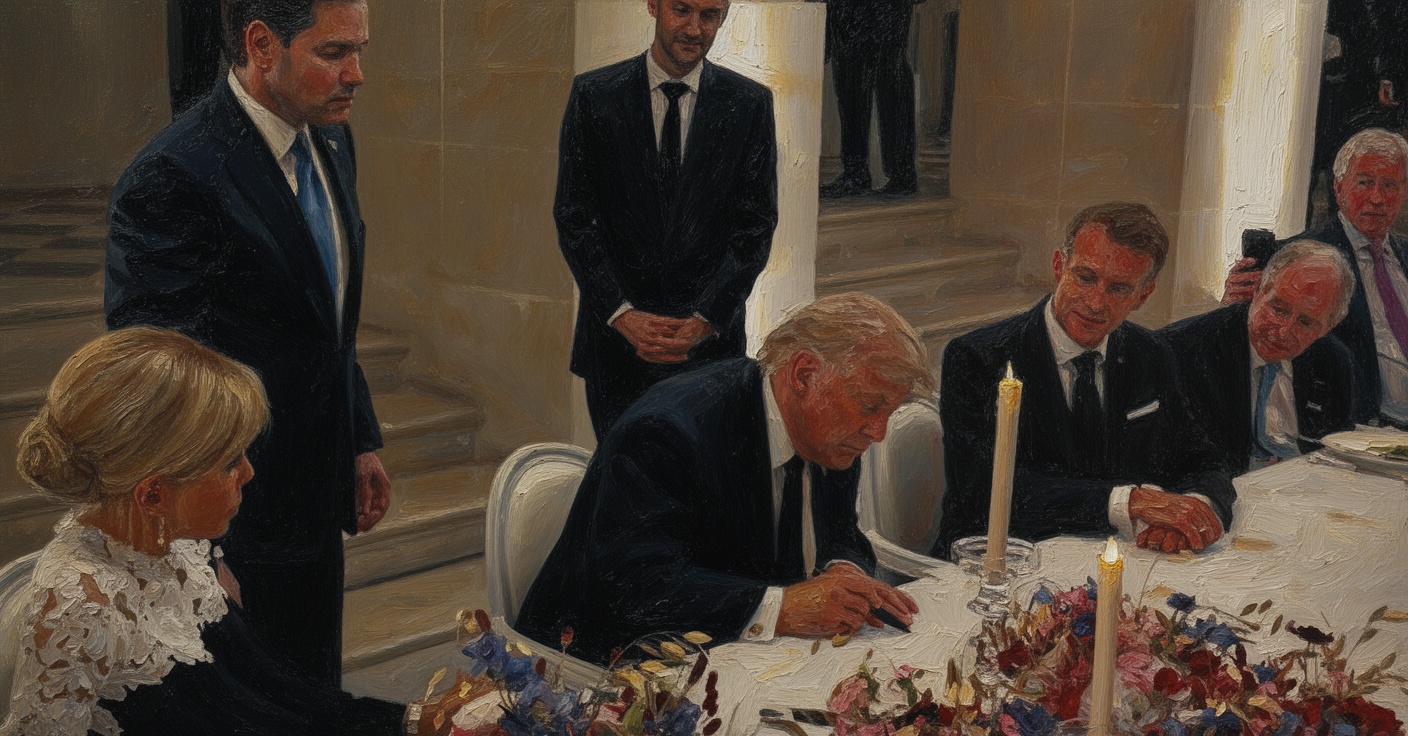
Former President Donald Trump signed a Memorandum of Understanding (MOU) with Iran on Monday, aimed at replacing the 2015 Joint Comprehensive Plan of Action (JCPOA), originally negotiated by the Obama administration. This new agreement seeks to address nuclear proliferation concerns while implementing additional sanctions and limitations on Iran's missile program. Analysts note that Trump's MOU emphasizes stricter conditions that have not been part of the original JCPOA.
The 2015 JCPOA was aimed at curbing Iran's nuclear capabilities, granting Tehran access to international markets in exchange for limiting its uranium enrichment program. In contrast, the current MOU focuses on strengthening military deterrents and expanding economic sanctions, further isolating Iran. Observers caution that these changes may provoke greater regional instability, as Iran has signaled it will not tolerate increased sanctions without reciprocal steps from the U.S.
Strategically, Trump's approach highlights a shift from diplomatic engagement to a hardline stance against Tehran. This alters previous U.S. foreign policy principles, which aimed at de-escalating tensions through negotiation and compromise. This new dynamic creates additional complexities for U.S. allies in the region, particularly those who engaged in diplomatic efforts under the Obama era.
Operational specifics of the MOU invite greater scrutiny, with new clauses proposed about missile development and military collaboration with allies like Israel and the Gulf states. The document outlines substantial financial penalties for violations, reflecting a departure from the comparatively lenient terms of the JCPOA. This heightened confrontational posture raises concerns about potential military confrontations in the Near East.
The long-term consequences of this memorandum could redraw the geopolitical map of the Middle East. With rising tensions, a return to the negotiating table appears increasingly unlikely. The MOU may solidify Iran's resolve and justify further military engagement from both Iran and U.S. allies, entrenching divisions in an already volatile region.