Turkey's F-35 Participation Faces Major Risks
Analysts warn against Turkey's inclusion in the F-35 program due to geopolitical tensions and alliances.
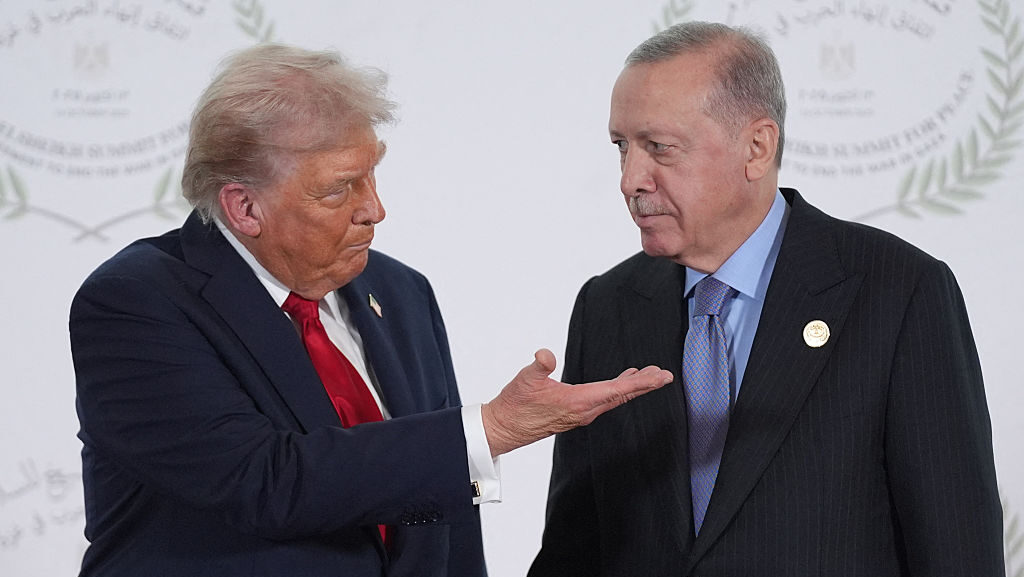
Turkey's potential involvement in the F-35 program is drawing significant scrutiny from military analysts. Recent discussions about the role of Turkish President Recep Tayyip Erdoğan in the procurement of advanced fighter jets have raised alarms about the implications of such a move. Analysts from the Foundation for Defense of Democracies argue that allowing Turkey access to the F-35 could prove detrimental to regional stability and alliances.
Historically, Turkey's ambitions within NATO have come under scrutiny, particularly with its defense ties to Russia and military operations in the Middle East. The complexities of Turkey's relationships with nations like Hamas and China present a strategic concern for Western allies. Analysts emphasize that permitting Turkey participation in the F-35 program may unintentionally support a nation whose actions are sometimes counter to NATO’s objectives.
The significance of the F-35 fighter jet program cannot be overstated; it represents one of the most advanced multi-role stealth aircraft in history. With its ability to conduct strike missions, intelligence gathering, and reconnaissance, the F-35 is pivotal to maintaining air superiority in modern warfare. Analysts express concerns that integrating Turkish forces with this technology might compromise the operational integrity of the program and sensitive information.
From a technical standpoint, the F-35 program includes highly classified components that are crucial for stealth and combat effectiveness. Analysts point to the risk of sensitive technology falling into hands that may not align with NATO interests. The potential for Turkey to leverage this advanced capability in regional conflicts remains a key concern for military experts.
In conclusion, analysts are calling for caution regarding Turkey’s F-35 acquisition discussions. The broader implications of such an alliance raise questions on the reliability of NATO partnerships and the future of collective defense strategies. Increased scrutiny and dialogue are necessary to address the risks associated with Turkey's military engagements and its geopolitical alliances going forward.