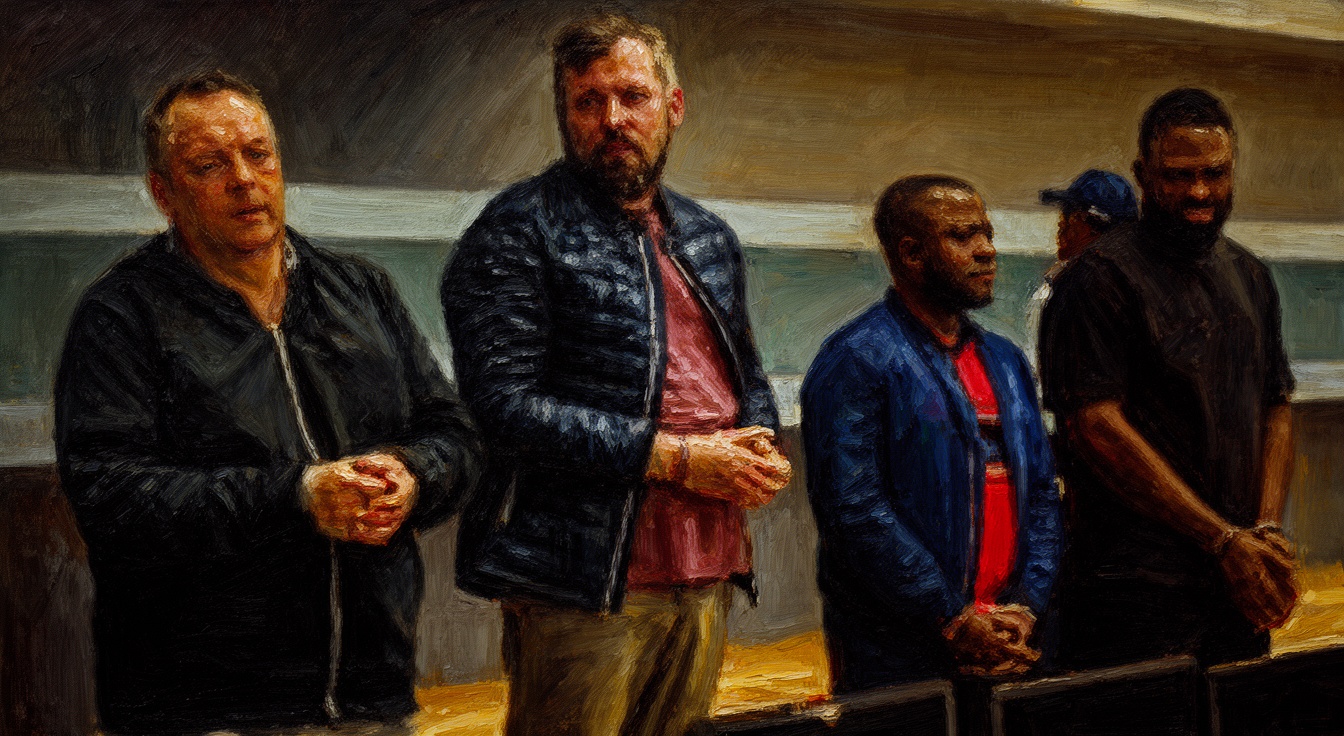
Two Russians Sentenced for Terrorism and Spying in Angola
The sentencing of two Russians highlights international security concerns. Their involvement in alleged terrorism and espionage indicates the potential for geopolitical tensions.
Two Russian nationals, a political consultant and a translator, have been sentenced to prison in Angola for charges of terrorism and espionage. The convictions come after allegations that they incited protests in Angola last year, an assertion they both deny. The case has drawn attention to the complexities of international political dynamics in the region, raising significant concerns about foreign influence in African countries.
This incident underscores the delicate balance of power within Angola, a country historically influenced by outside actors. The activities of foreign operatives in domestic affairs bear implications for the nation's sovereignty and the challenges it faces in maintaining political stability. Such developments could strain Angola's diplomatic relations with Russia, adding to an already unstable regional security environment.
The operational details surrounding the arrests have not been fully disclosed, but it is known that the individuals were accused of organizing protests against the Angolan government, which remains sensitive to any dissent. This situation marks a critical juncture for Angola, which has been navigating internal issues such as governance, economic challenges, and social unrest. It also signals broader implications for Russian efforts to expand its influence in Africa.
Authorities have not released the exact prison terms imposed on the defendants, but the verdict reflects a tough stance against perceived threats to national security. Intelligence analysts note that this case could lead to increased scrutiny of Russian engagement in Angolan affairs, as well as heightened security measures by the Angolan government to thwart any future unrest.
Looking forward, the implications of this case could reverberate across international arenas. Angola's reaction to the situation could shape its future diplomatic interactions not only with Russia but with other global powers. Analysts are closely monitoring how this situation unfolds, particularly with regard to the balance of power in Southern Africa and Moscow's strategic ambitions on the continent.