UK Boards Russian Shadow Fleet Ship for First Time
The United Kingdom has initiated boarding operations against a Russian vessel, marking a significant escalation in maritime tensions. This bold action underscores the commitment of the UK to counter Russian influence in international waters.
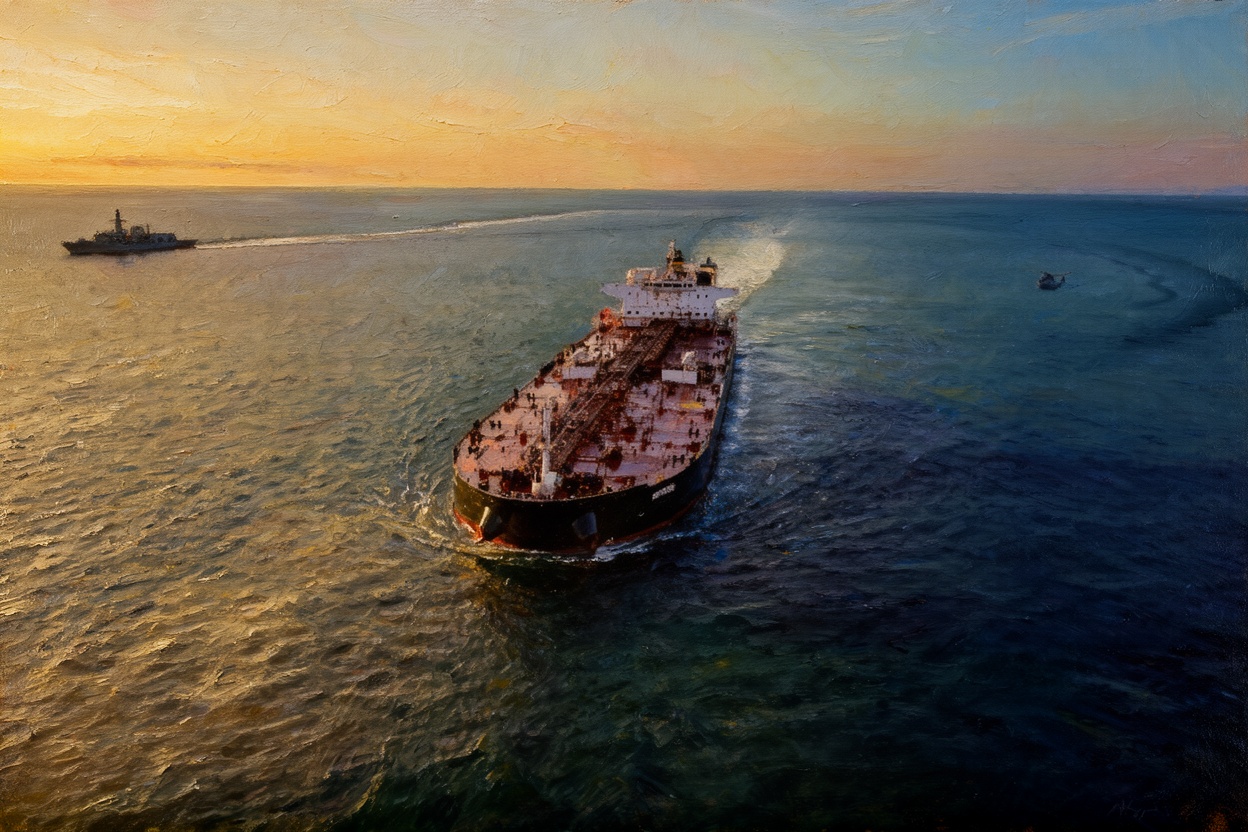
The United Kingdom has conducted boarding operations against a Russian 'shadow fleet' ship for the first time. The operation targeted the crude oil tanker Smyrtos, which was interdicted in the English Channel during the early hours of June 14. This intervention was part of a broader strategy to increase maritime security in the region and deter illegal activities linked to Russian naval operations.
The act of boarding the Smyrtos reflects growing concerns over the presence of Russian naval assets operating under the guise of commercial shipping. The Royal Marines Commandos, in conjunction with the National Crime Agency (NCA) officials, executed this operation, highlighting an intense focus on enforcing international maritime regulations. The boarding operation is significant, as it represents a shift in the UK's approach towards Russian maritime activities, showcasing its readiness to confront potential threats in the English Channel.
This boarding underscores the strategic importance of the English Channel as a key maritime route and the implications of Russian naval presence in European waters. The UK's actions may provoke a response from Russia, leading to heightened tensions in the region. Such maneuvers contribute to the ongoing geopolitical contest between Russia and NATO countries, reflecting the need for robust maritime security measures.
The Smyrtos, a crude oil tanker, was targeted due to suspicions of its involvement in operations that may undermine regional stability. While details regarding the specifics of the operation remain classified, the involvement of Royal Marines Commandos signifies the seriousness of the situation. The UK's government reaffirmed its stance on maritime security and the need for vigilance against unconventional naval threats.
Looking ahead, this operations may establish a precedent for future encounters with Russian vessels in the English Channel and beyond. The UK is likely to increase its naval presence in the area, while ensuring that international maritime laws are upheld. As tensions continue to escalate, the implications of such actions will be closely monitored by NATO allies and global maritime stakeholders.