UK Royal Navy Plans to Retire Destroyers by 2030s
The Royal Navy's 140-year legacy of destroyers will conclude in the 2030s as part of the Hybrid Navy concept aimed at countering operational challenges.
The Royal Navy's continuous history of destroyers, which spans over 140 years, is set to end in the 2030s. This significant change aligns with the introduction of the Hybrid Navy concept, designed to address declining operational capabilities. The decision indicates a shift in naval strategy to adapt to modern maritime threats and ensure relevance in future naval engagements.
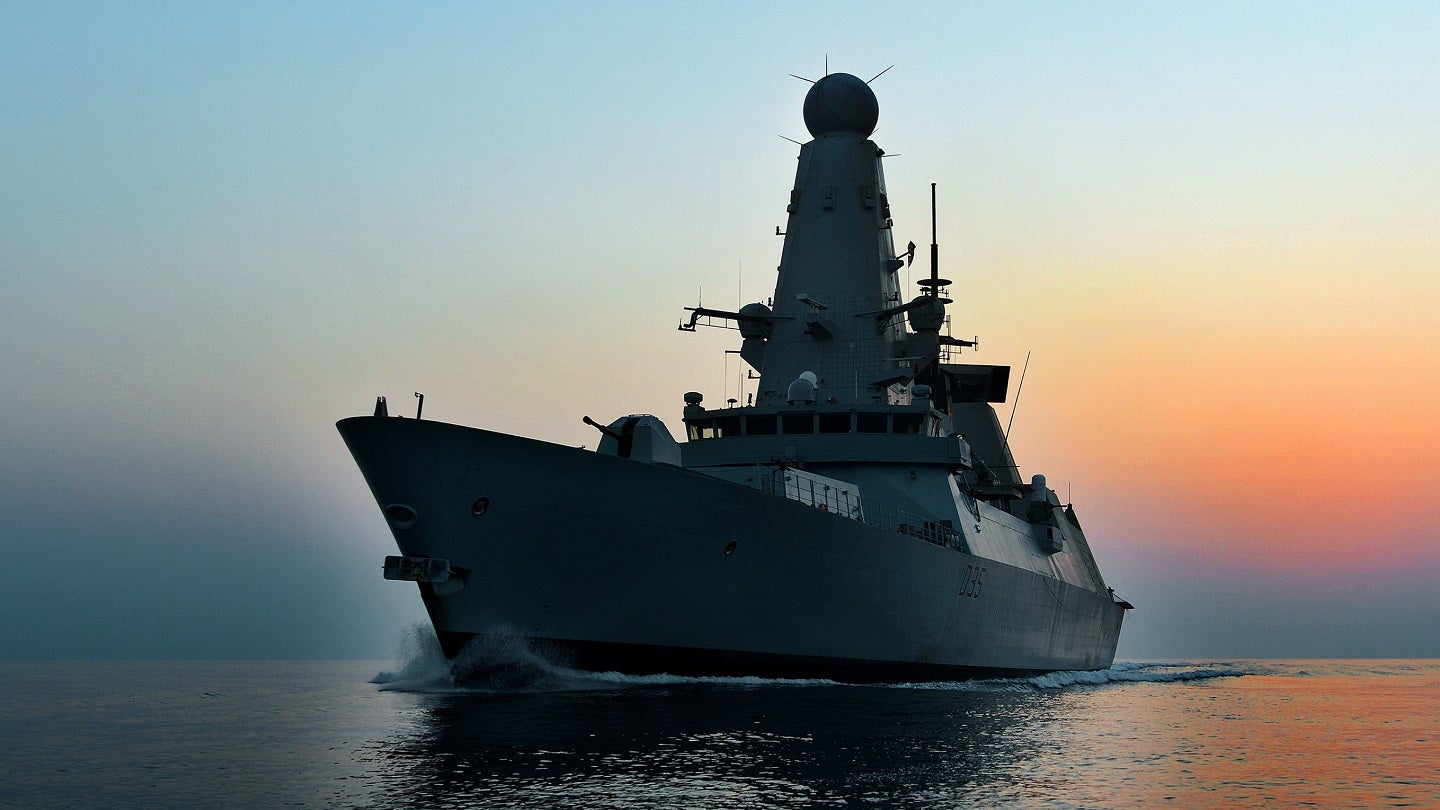
Historically, the UK's destroyers played a crucial role in naval warfare, evolving from the early 20th-century designs to advanced platforms like the Type 45 destroyers. These ships have been integral in maintaining maritime security and demonstrating the UK's naval power globally. However, the need for modernization is apparent as technological advancements and changing geopolitical dynamics reshape naval operations.
The strategic significance of the Hybrid Navy concept is profound. It seeks to combine traditional naval warfare capabilities with emerging technologies, including unmanned systems and cyber warfare. This approach aims to enhance deterrence and operational flexibility while accommodating budget constraints faced by the Royal Navy.
Specific details regarding the transition plan and the capabilities of the Hybrid Navy remain sparse. The Royal Navy currently operates six Type 45 destroyers, known for their air defense capabilities, but declining budgets may limit the expansion of new classes. A focus on cost-sharing with allies and employing innovative maintenance strategies is anticipated to support this transition in the coming decade.
The implications of retiring traditional destroyers could impact the Royal Navy's role in international operations. Relying on hybrid solutions may serve to streamline addressing emerging threats, but risks exist regarding effectiveness against traditional naval adversaries. The longer-term assessment will likely determine the viability and success of this strategic shift, marking a significant evolution in naval warfare going forward.