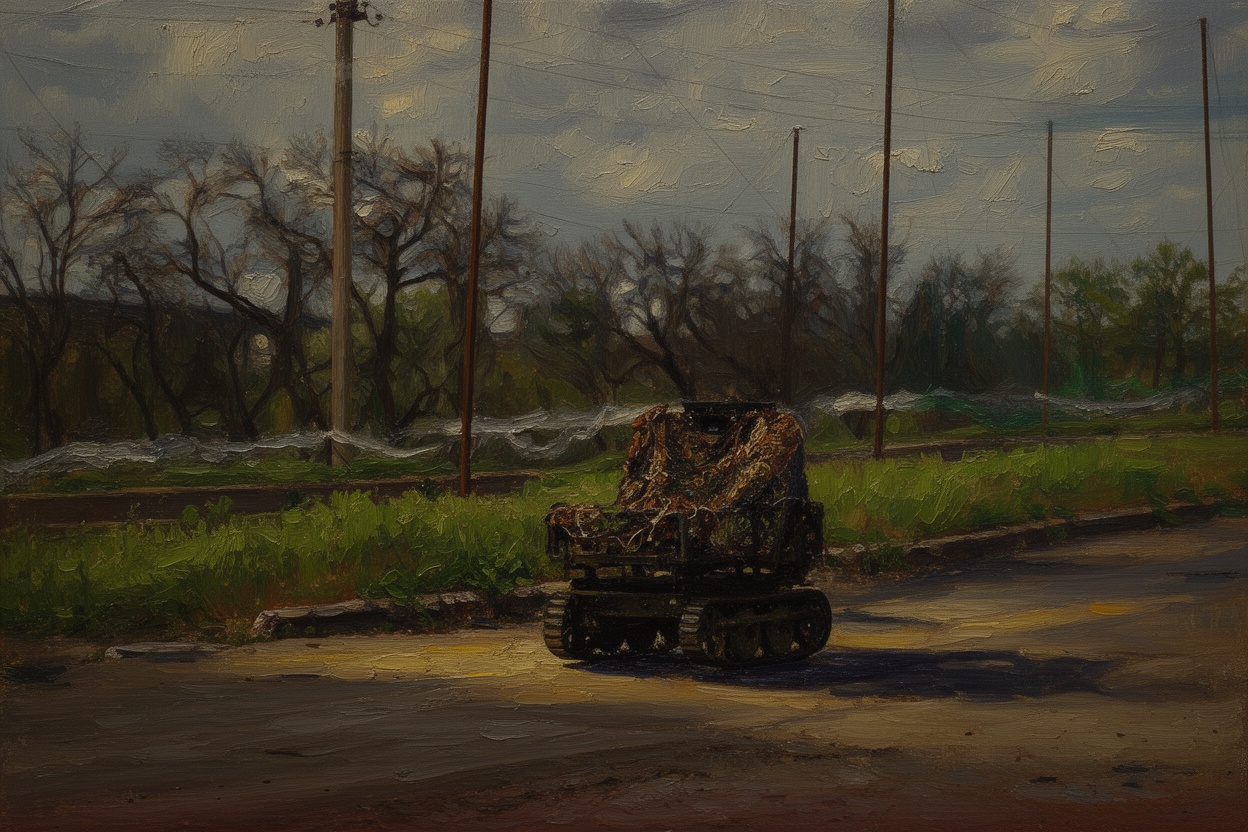
Ukraine Increases Ground Robot Production for Various Operations
Ukraine's military ramps up the production of unmanned ground systems to assist in combat operations and civilian evacuations. This development indicates a strategic shift towards reducing soldier casualties while enhancing battlefield capabilities.
Ukraine has announced a significant increase in the production of unmanned ground systems (UGS) aimed at supporting military operations and assisting in civilian rescues. These robots, already utilized for hauling ammunition and evacuating wounded soldiers, are now being deployed to extract civilians from dangerous areas amidst ongoing conflicts.
The use of UGS in Ukraine marks an evolution in modern warfare, highlighting the importance of technology in reducing soldier casualties and enhancing operational efficiency. As the conflict escalates, the demand for innovative solutions to protect military personnel and civilian lives becomes increasingly evident. The robots are designed to navigate complex terrains, allowing them to perform tasks in high-risk zones where traditional ground forces may face significant dangers.
Strategically, this shift towards automation and robotics reflects Ukraine's commitment to maintaining its fighting capacity while prioritizing the safety of its troops and civilians. By integrating advanced technologies into military operations, Ukraine aims to improve its logistical capabilities and response times on the battlefield, ultimately strengthening its overall defense posture.
The unmanned ground systems being produced include various configurations capable of performing multiple roles, from logistical support to reconnaissance and combat assistance. Budget allocations for this initiative reportedly exceed $50 million, underlining the importance placed on technological advancements in defense.
This upsurge in UGS deployment is likely to impact Ukraine's military strategies significantly. As these robots become more prevalent, they may reshape engagement methods, allowing for more efficient troop movements and minimizing the exposure of soldiers to direct combat situations. The long-term implications could include a substantial transformation in how ground warfare is conducted, with technology reducing risks for personnel engaged in conflict.