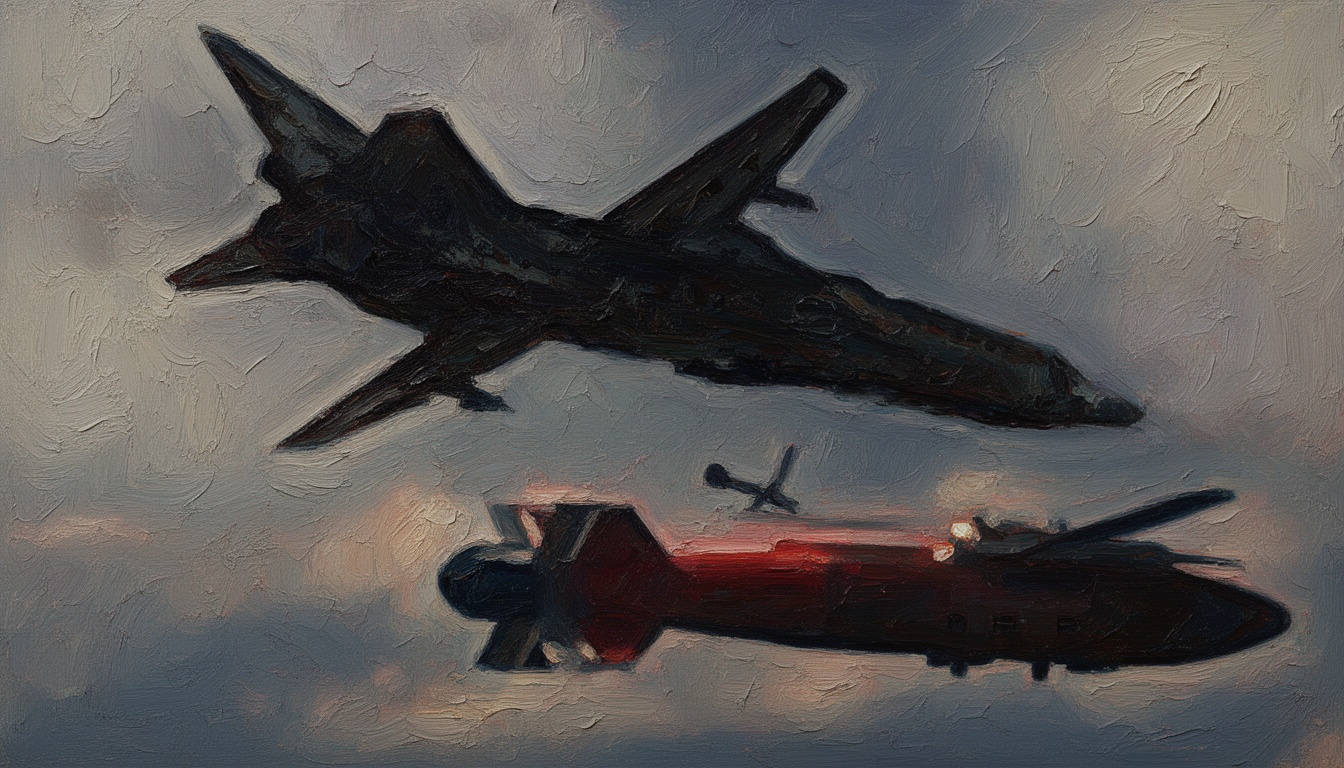
Ukraine Reveals Indigenous Glide Bomb Development
Ukraine has unveiled a domestically produced glide bomb amid urgent operational needs. This development could enhance its aerial capabilities and reduce dependency on foreign munitions.
Ukraine has recently introduced its indigenous glide bomb, a significant military advancement aimed at augmenting its air strike capabilities. The need for standoff munitions has become increasingly critical as Ukraine faces ongoing hostilities; the emphasis on domestic production aligns with efforts to circumvent foreign supply chain issues that have plagued its military operations.
The glide bomb is designed to be air-launched, providing Ukrainian forces with a stand-off capability that allows for more effective strikes against enemy positions while minimizing risk to aircraft and personnel. This development comes at a time when the conflict in Ukraine continues to escalate, necessitating innovative solutions to overcome challenges in resupplying munitions through traditional foreign channels.
From a strategic standpoint, the introduction of this glide bomb could serve to bolster Ukraine's deterrence posture against adversarial actions. By developing indigenous capabilities, Ukraine enhances its operational independence and can better respond to threats without relying on the stability of international arms supplies, which can be influenced by geopolitical dynamics.
Technically, the glide bomb likely incorporates advanced guidance systems and aerodynamic designs tailored for precision strikes. The specifics regarding its range, payload capacity, and operational deployment have not yet been disclosed, but the emphasis on reducing reliance on foreign technology suggests a focus on maximizing domestic manufacturing capabilities in the defense sector.
In conclusion, the emergence of this glide bomb is a pivotal moment for Ukraine's military. If successfully integrated into its arsenal, it could significantly enhance flight operations, provide tactical advantages, and contribute to long-term military resilience, especially in light of ongoing strategic pressures from international adversaries.