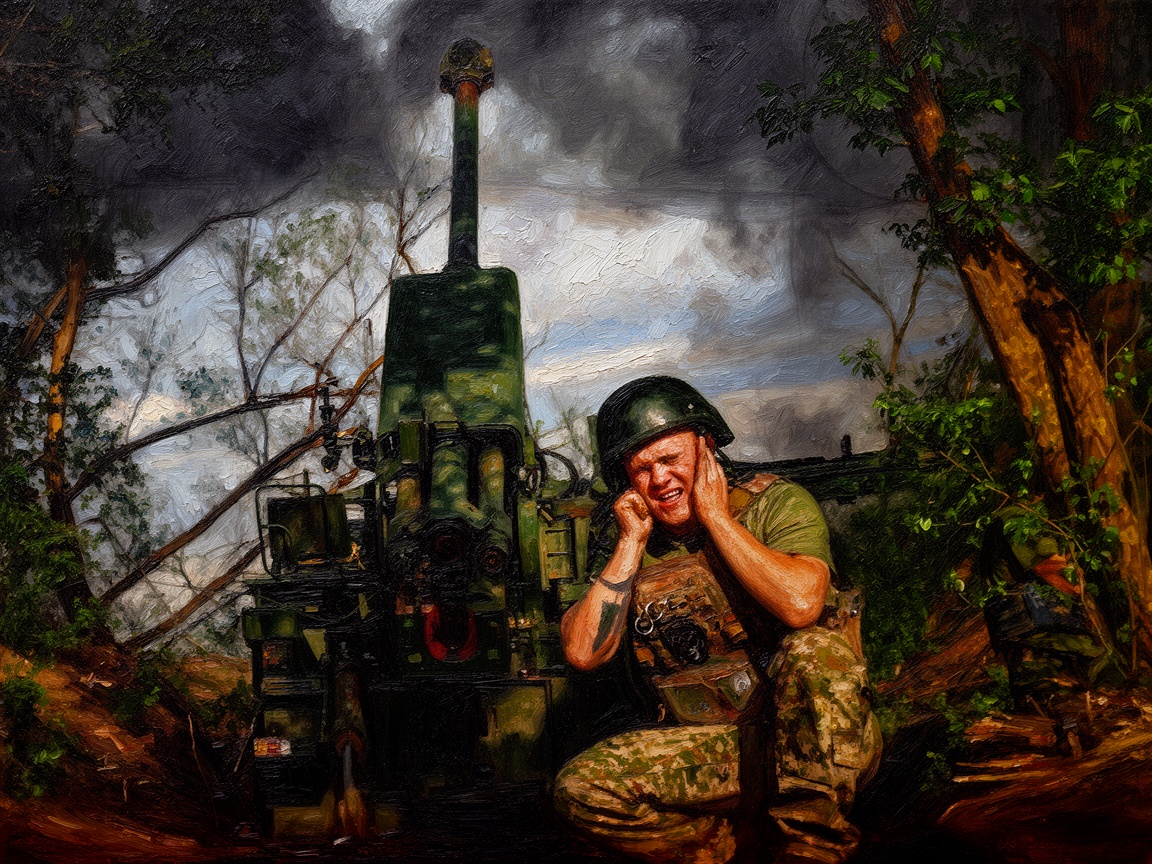
Ukraine Slows Russian Advance but Fails to Intercept Missiles
Ukraine's military has demonstrated resilience in slowing Russian advances, but vulnerabilities in missile defense systems remain evident. The conflict raises questions about the effectiveness of Ukraine's capabilities against ballistic threats.
Ukraine's military operations have reportedly succeeded in slowing the advances of Russian forces, yet Ukrainian air defenses continue to struggle against incoming ballistic missile threats. Battlefield observers have highlighted that while Russia can contest territory, its ability to maintain control over these areas is still questionable.
Since December, Russian forces have engaged in various offensives to regain momentum in the conflict. However, incursions have often been countered effectively by Ukrainian units, showcasing improvements in tactical maneuvers and defensive strategies. The ongoing struggle underscores the complexities of territorial control in the war.
Strategically, this scenario reflects broader implications for regional stability. The inability of either side to gain sustained advantages reinforces the prospect of a protracted conflict. Ukraine's challenges in intercepting ballistic missiles pose a significant risk to its defense posture and critical infrastructure.
Operationally, Ukraine's missile defense system, including S-300 installations and other air defense assets, faces limitations in intercepting high-speed ballistic projectiles launched by Russia. As conflicts evolve, developing advanced countermeasures to enhance these systems becomes crucial for minimizing losses.
Moving forward, the trajectory of the war remains uncertain. Continued Russian offensives may lead to intensified Ukrainian responses, but challenges in missile defenses could jeopardize key urban targets. The international community’s focus on providing enhanced military aid will play a pivotal role in shaping the future landscape of this conflict.