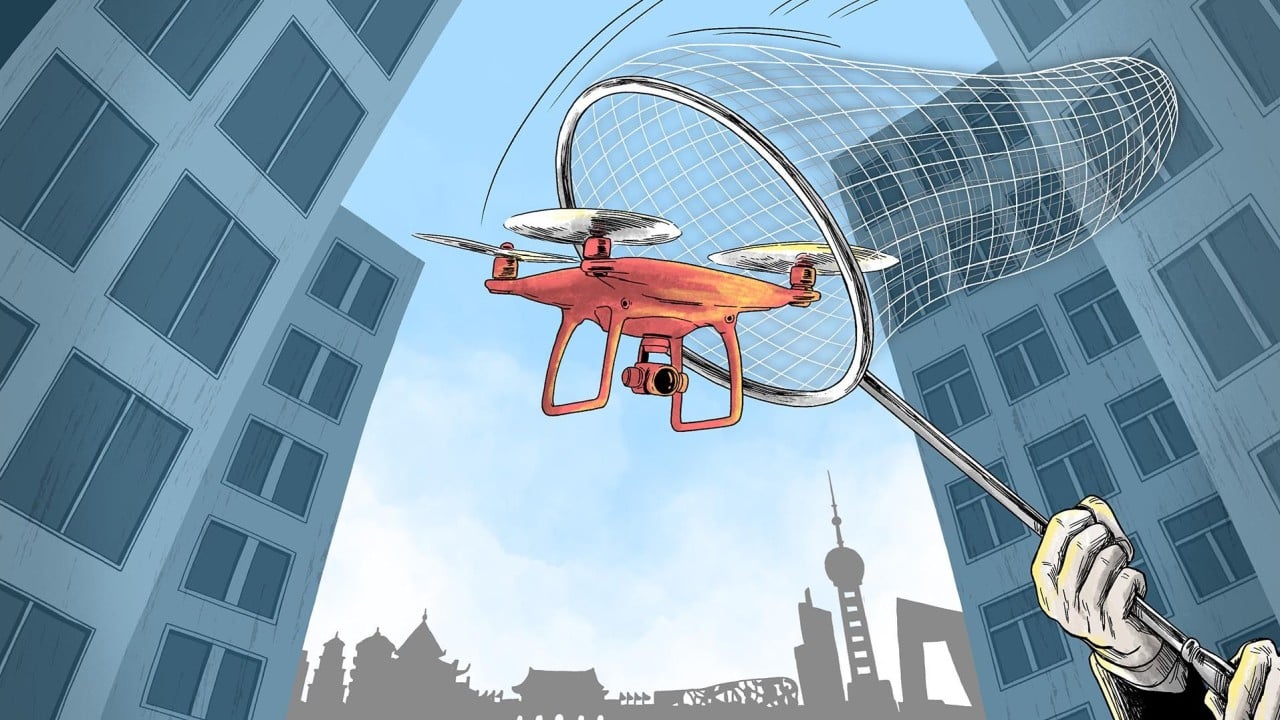
Ukraine War Drives China to Restrict Civilian Drone Flights
China's ban on civilian drone flights reflects escalating security concerns. The restrictions are a response to the growing use of drones in conflict zones.
China has implemented severe restrictions on civilian drone flights in urban areas, a move that experts link to the security implications observed in the ongoing conflict in Ukraine. The ban has particularly affected popular locations such as the Huangpu River in Shanghai, which used to see a thriving market for aerial photography and recreational drone usage.
Previously, densely populated metropolitan areas in China welcomed the use of drones for both commercial photography and leisure activities. The stunning imagery captured from these flights not only showcased cityscapes but also fueled a booming drone market. However, recent security concerns regarding drone applications in warfare, as evidenced in Ukraine, have prompted the Chinese government to impose stricter regulations.
Strategically, the tightening of civilian drone regulations in China may serve multiple purposes. First, it reflects a preventative approach to security that aims to mitigate unauthorized drone usage, which could threaten both public safety and state security. Second, it may also indicate China's commitment to maintaining control over its airspace amid rising concerns surrounding drone warfare exemplified by foreign military engagements.
Current regulations have resulted in significant limitations for drone operators, requiring permits and compliance with specific operational zones. This is a marked departure from the previously more lenient stance towards civilian drone activities. The new rules aim to enhance public safety while reflecting the shifting landscape of drone technology in the face of global security dynamics.
Looking forward, experts predict that this restriction could hinder the commercial growth of the drone industry in China, which previously thrived without intensive oversight. Additionally, it could limit innovations and advancements in civilian drone technologies as manufacturers may need to adapt to a more controlled market environment. The implications of these regulations will be closely observed as they unfold in the context of broader global security trends.