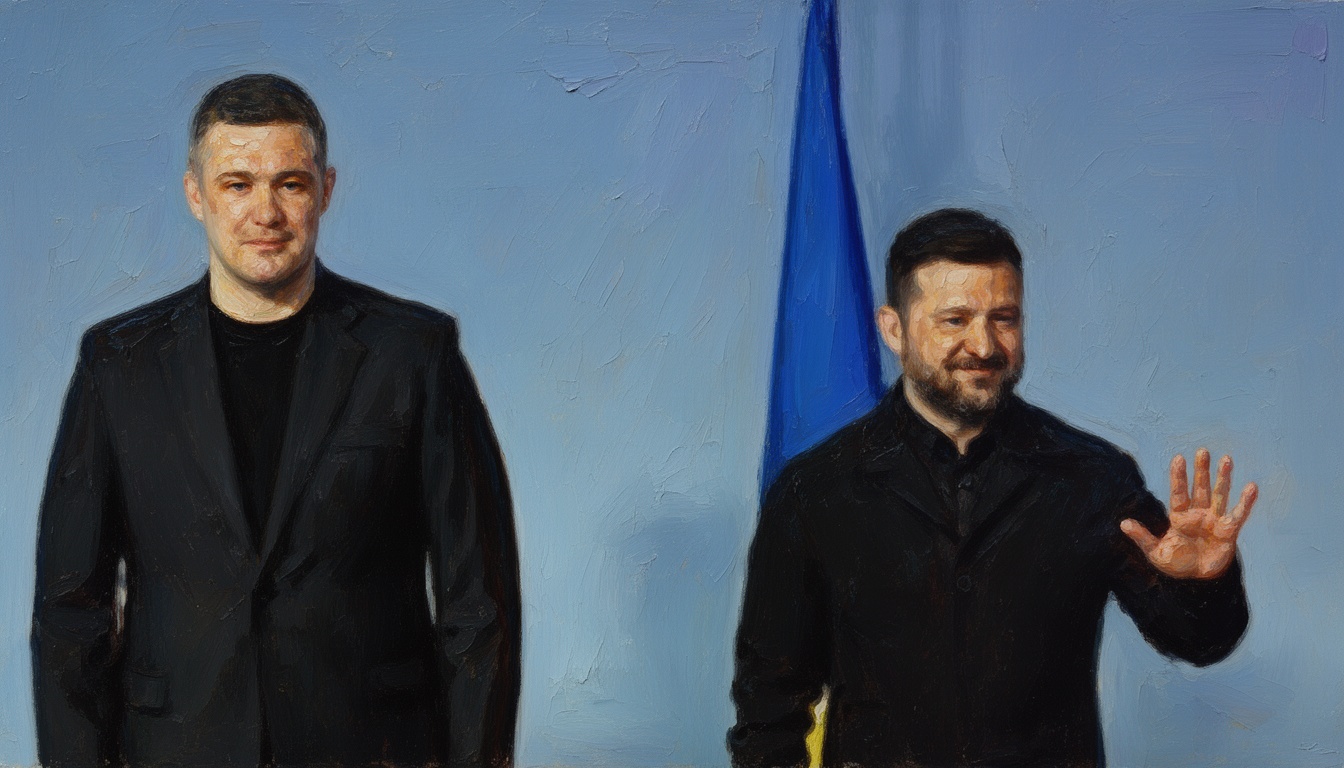
Ukrainian Defense Minister Denies Replacement Amid Political Struggle
Mykhailo Fedorov continues to demand reinstatement as Ukraine's defense minister, rejecting alternative offers from President Zelensky. This conflict highlights ongoing political tensions within Ukraine's leadership amidst a crucial military context.
Ukrainian Defense Minister Mykhailo Fedorov has asserted his refusal to accept an alternative position offered by President Volodymyr Zelensky. Fedorov insists on being reinstated to his prior role, claiming that his work is vital during the ongoing conflict with Russia. This standoff illustrates heightened political tensions within the Ukrainian government at a critical juncture in its defense efforts.
Background context shows that Fedorov was removed amidst allegations of inefficiencies and corruption linked to military procurements. The announcement came as Ukraine strives to bolster its defense capabilities and adapt its military strategy against Russian forces. A shake-up in the leadership suggests internal divisions may impact the unity needed for effective governance during wartime.
The strategic significance of this dispute is underscored by Ukraine's precarious situation on the battlefield. Maintaining stable leadership in the defense sector is crucial as the nation faces ongoing military pressures. The leadership crisis may affect morale within the armed forces and impact international support for Ukraine's military endeavors.
Operationally, if Fedorov's reinstatement proceeds, it could lead to a reevaluation of Ukraine's procurement strategies and defense policies at a time when military resources are under scrutiny. The effectiveness of Ukraine's military posture hinges on leadership that can adapt swiftly to battlefield realities.
The implications of this political struggle may extend beyond personal disputes, potentially influencing Ukraine's approach in the West's support. Continued public disagreements among leaders could signal instability, warranting closer monitoring of the situation as military operations unfold further.