Ukrainian Drone Strikes Create Panic in the Kremlin
Ukrainian drone operations deep within Russia are inciting alarm in Moscow, escalating tensions as President Putin faces challenges.
On Wednesday, Kaja Kallas, the European Union’s foreign policy chief, asserted that Ukrainian drone strikes reaching deep into Russian territory are generating significant panic within the Kremlin. This unrest is prompting increased retaliatory measures from Moscow against Kyiv. These developments indicate a shift in the operational dynamics of the ongoing conflict, with both sides escalating their military actions.
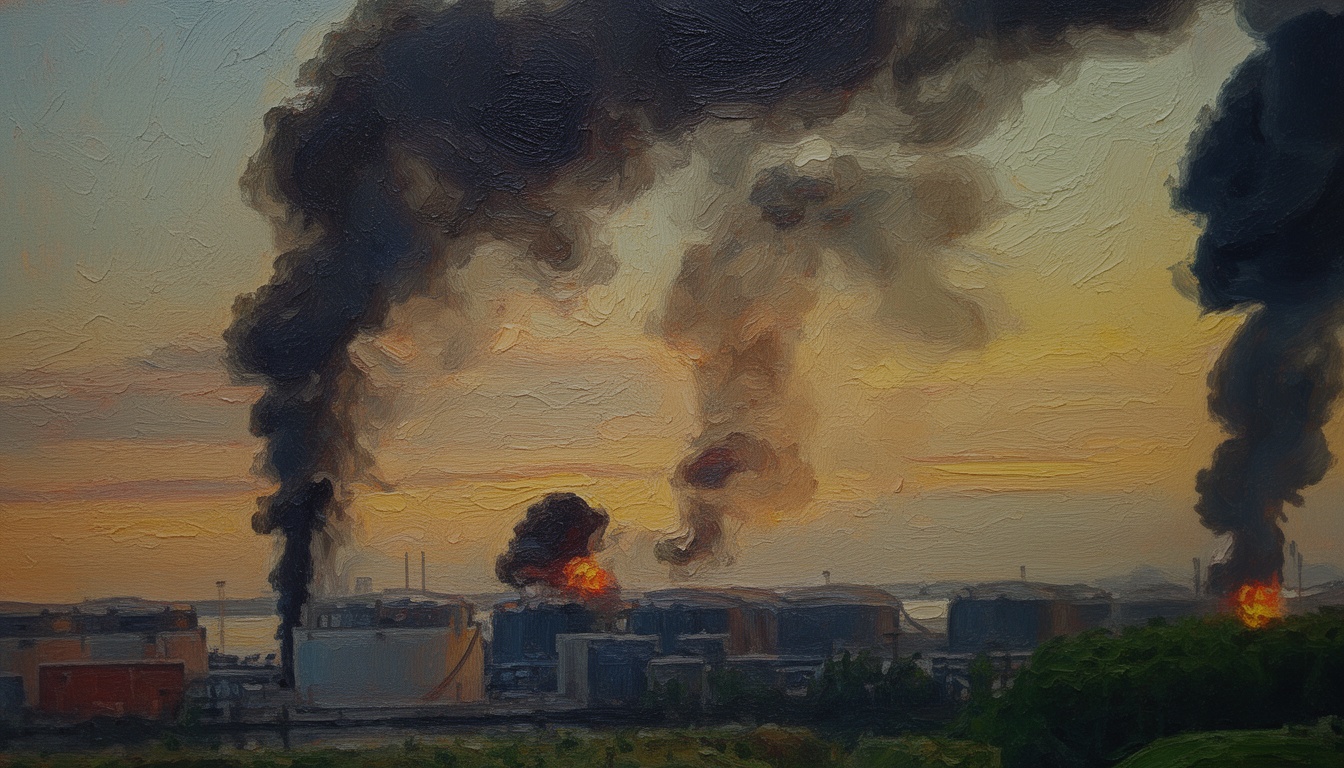
Specifically, Ukrainian drones targeted energy and military facilities in St. Petersburg coinciding with a major economic conference chaired by Russian President Vladimir Putin. This action not only highlights the operational reach of Ukrainian forces but also symbolizes a direct challenge to Russian sovereignty and security. The timing seems deliberate, aimed at unsettled the political and economic narrative being projected by the Kremlin.
Strategically, these drone strikes demonstrate Ukraine's evolving capabilities and determination to challenge Russian military operations. The Kremlin's response, characterized by increased strikes against Ukraine, underscores the high stakes involved in this conflict. Increased violence on both sides could potentially lead to an unpredictable escalation, further complicating the regional security landscape.
Operationally, such drone assaults signify an advanced use of technology and asymmetric warfare tactics employed by Ukraine. The drones, likely UAVs such as the Bayraktar TB2, exemplify a shift toward integrating new technologies into combat operations, thereby complicating the Ukrainian theater for Russian forces. With the Kremlin now needing to reassess its defensive posture, further investments in air defenses may be required.
Looking ahead, the geopolitical implications of this escalation are profound. As the conflict intensifies, European countries may perceive a need to bolster their defensive arrangements in response to the apparent threat from Russian capability. This could lead to increased military assistance for Ukraine, solidifying further boundaries in the ongoing conflict and maintaining an unpredictable status quo in Eastern Europe.