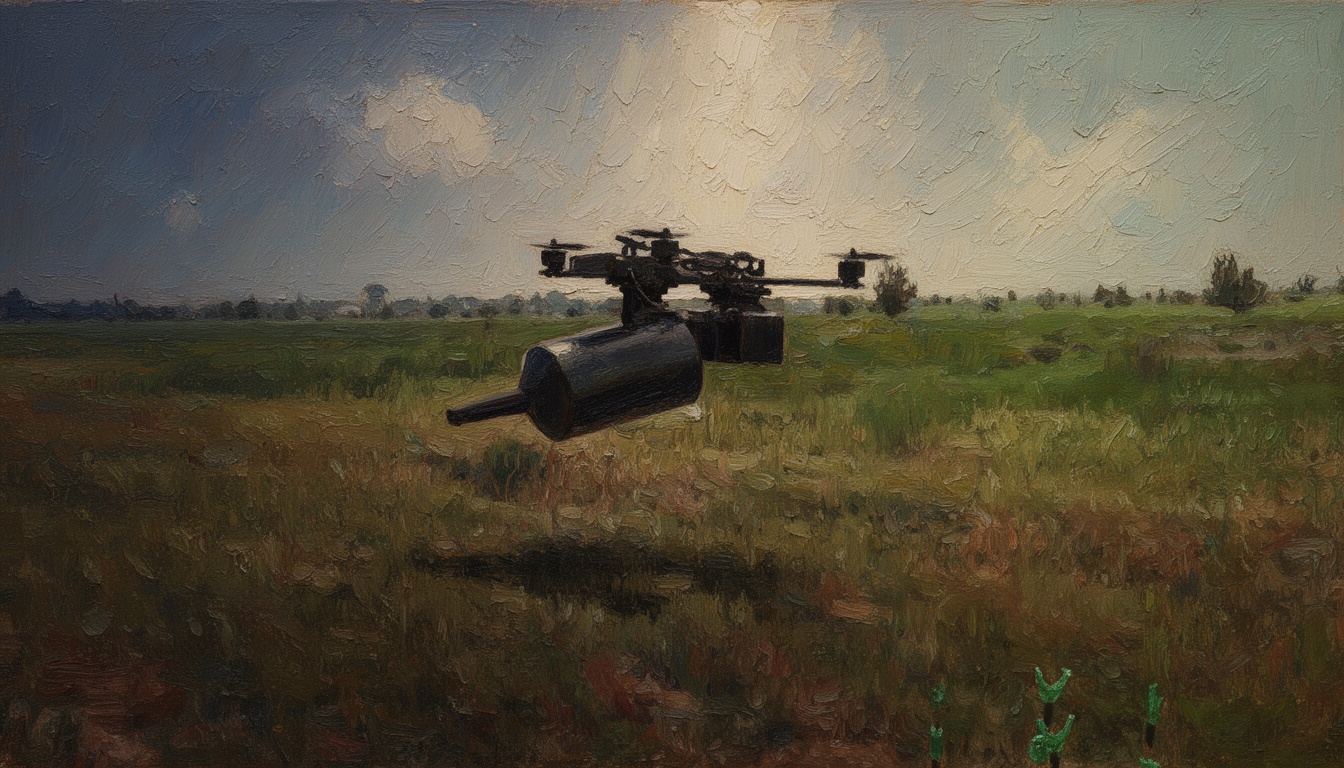
Ukrainian Drones Create New Challenges for Russian Forces
Ukrainian drone advancements are altering battlefield dynamics, raising alarm in Russian military circles. The rise of these unmanned systems signifies a substantial shift in operational tactics.
Recent developments on the Ukrainian battlefield highlight the increasing sophistication of Ukrainian drones, which are changing the nature of engagements and creating new operational challenges for Russian forces. Reports indicate that these advanced unmanned aerial vehicles (UAVs) are capable of executing precision strikes, thereby redefining traditional frontlines and affecting the concept of 'killing zones' in combat scenarios.
Ukrainian forces have been utilizing these drones not only for offensive operations but also for humanitarian missions. The evacuation of a 77-year-old woman in the Odesa region showcases the expanding role of unmanned systems in rescue operations, reflecting the dual-use nature of drone technology amidst ongoing conflict. This evolution suggests that drone warfare is not limited to combat scenarios but also plays a critical role in civil safety and assistance.
Strategically, the enhancements in Ukrainian drone capabilities pose significant risks for Russian military operations. Intelligence assessments suggest that the integration of these systems into Ukraine's military strategy may disrupt existing tactics employed by Russian forces. As these drones become more prevalent, Russian command may need to modify its operational doctrine to address this new threat effectively.
Technical reports reveal that these drones have features typically associated with advanced systems, such as enhanced surveillance capabilities and longer operational ranges. The continued investment in unmanned technology by Ukraine indicates a commitment to maintaining a technological edge in the conflict, potentially outpacing Russian capabilities in specific operational parameters.
Looking forward, the ramifications of advanced Ukrainian drone technology could alter the balance of power in the region. If these systems continue to evolve and proliferate, they may compel an escalation in counter-drone measures from Russia, possibly impacting the broader strategic landscape of military engagements in Eastern Europe.