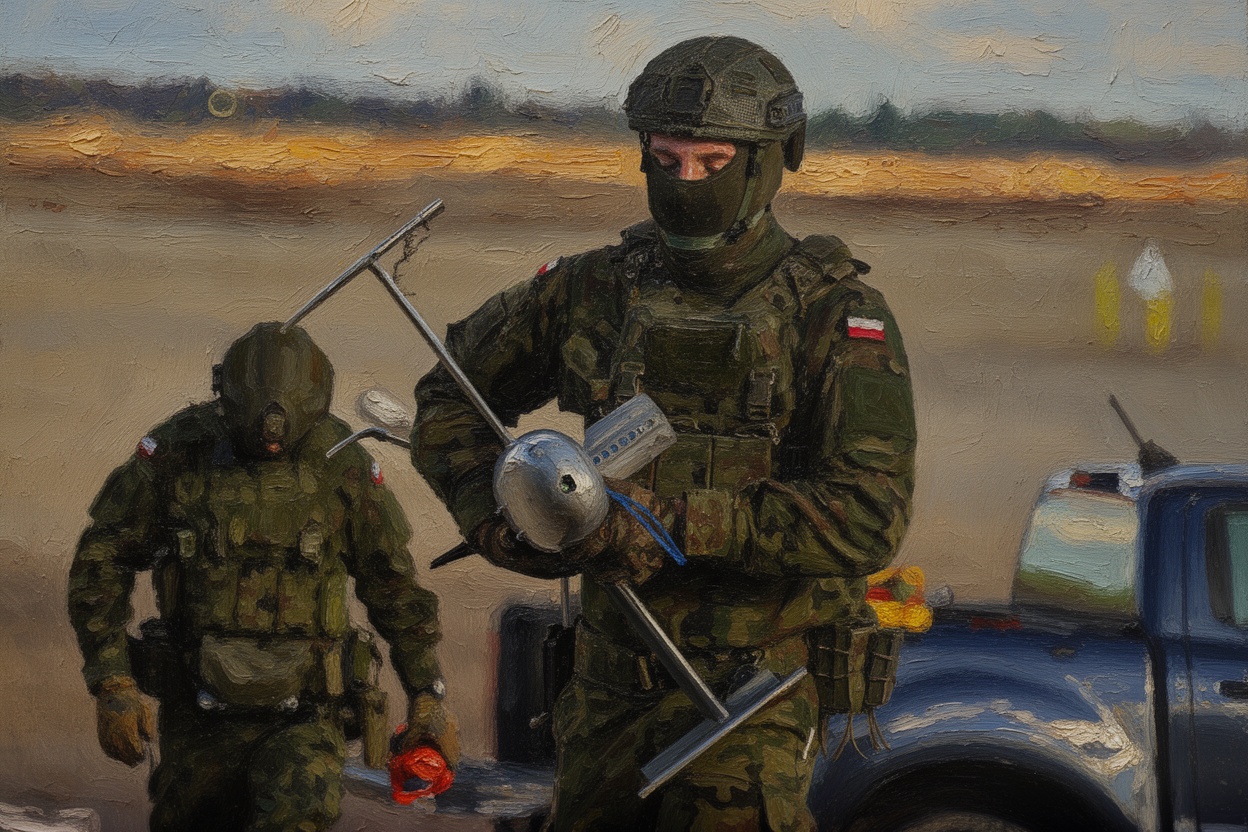
Ukrainian Unit Targets Russian Shahed Drone with Interceptor
The incident highlights Ukraine's UAV capabilities and the U.S. interest in drone technology. As the U.S. Army aims to enhance its drone operations, this development could influence future tactics.
An unverified video has emerged purportedly showing a Ukrainian military unit successfully taking down a Russian Shahed drone using an American-made interceptor. The footage, which has sparked discussions among defense analysts, emphasizes the ongoing drone warfare in the region and Ukraine's capacity to counteract threats from Russian UAVs.
This incident occurs against the backdrop of intensified military operations between Ukraine and Russia, where aerial combat has become increasingly critical. The U.S. Army's focus on integrating advanced drone technologies into its operations underscores the importance of these systems in modern warfare. The deployment of effective interceptors can significantly alter the dynamics of air engagements, especially in conflict zones like Ukraine.
The strategic implications of this event are considerable. If verified, it could indicate Ukraine's growing proficiency in utilizing advanced military technology to disrupt enemy capabilities. This development aligns with the broader trend of nations enhancing their air defense systems through UAV and interceptor integration, showcasing the potential evolution of military confrontations in the future.
Specific details about the interceptor used remain unclear, but it highlights the evolving nature of defense collaborations, particularly between Ukraine and the United States. As the U.S. seeks to increase its supply of drones, this incident may prompt a reassessment of current military strategies and technologies deployed in the region.
The consequences of this event could reverberate throughout the military community, impacting both operational tactics and defense policy. As awareness of Ukraine's capabilities grows, it may influence other nations' considerations regarding their own defense postures and investments in UAV technology.