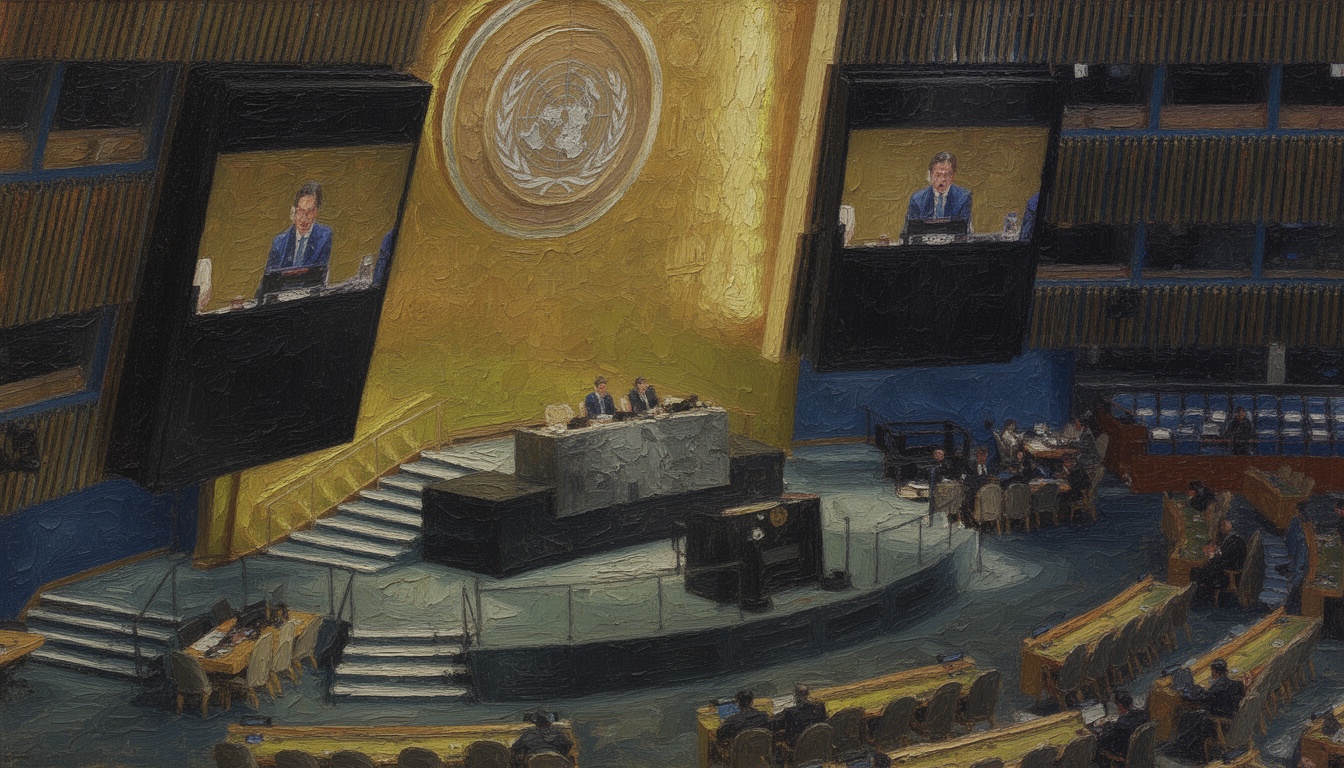
UN Conference on Nuclear Treaty Fails Amid US-Iran Tensions
The UN's Nuclear Non-Proliferation Treaty review conference concluded without agreement due to US-Iran disputes. This failure reflects ongoing global challenges in nuclear diplomacy.
A four-week United Nations conference aimed at reviewing the Treaty on the Non-Proliferation of Nuclear Weapons (NPT) ended on Friday without reaching any agreement. The deadlock primarily emerged from disagreements between the United States and Iran regarding Iran's nuclear program.
Vietnam’s UN Ambassador Do Hung Viet, who chaired the conference, revealed that no consensus was achieved among the 191 parties to the NPT for even a diluted final document. Specific countries that impeded consensus were not identified, leaving the exact dividing lines unclear.
This conference marked the third successive failure to reach an agreement on the NPT, highlighting ongoing global challenges in nuclear governance. The inability to establish a unified stance raises critical questions about the future of nuclear proliferation discussions on the international stage.
The strategic implications of this failure are significant. The US and its allies remain suspicious of Iran's nuclear ambitions, while Iran insists on its right to develop nuclear technology for peaceful purposes. This standoff contributes to heightened tensions in the Middle East, where nuclear capabilities could alter power balances.
As the world grapples with these security implications, the lack of progress on the NPT underscores the challenges faced in achieving effective arms control. Future negotiations may need to address not only nuclear issues but also broader geopolitical disputes to foster a more conducive environment for consensus.