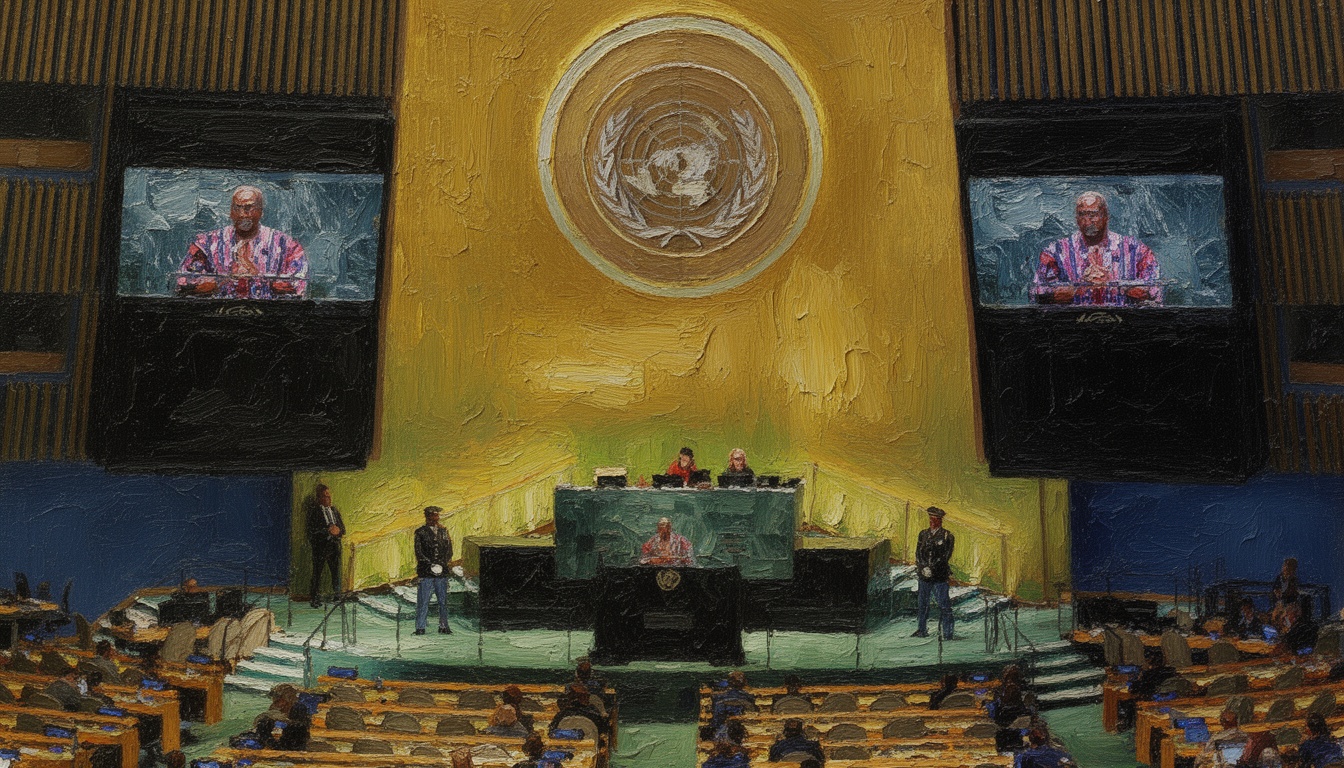
UN General Assembly Strengthens Climate Change Obligations
The UN General Assembly adopts a climate resolution amid opposition from major emitters. This follows an International Court of Justice ruling deeming climate inaction unlawful.
On Wednesday, the United Nations General Assembly adopted a resolution aimed at strengthening countries' obligations to combat climate change. However, this resolution was significantly weakened due to pressures from major greenhouse gas emitting nations, reflecting the ongoing tension between climate policy and economic interests.
The resolution comes in the wake of an advisory opinion issued by the International Court of Justice (ICJ) last year. The ICJ's opinion stated that failing to meet climate commitments could be deemed 'unlawful,' underscoring the legal risks nations face regarding their environmental obligations. This ruling also hinted at the potential for reparations stemming from climate litigation.
Strategically, this move by the UN General Assembly signifies a continued international focus on climate change, despite resistance from influential nations such as the United States. The resolution seeks to hold countries accountable, making it a critical point in international climate negotiations and indicating a shift towards more enforceable climate agreements.
Operationally, the resolution's adoption suggests that member states may face increased pressure to fulfill their commitments under various climate accords, including the Paris Agreement. Yet, the dilution of the resolution's initial strength raises questions about the adequacy of accountability mechanisms that rely solely on political will rather than binding legal frameworks.
Moving forward, the implications of this decision may influence upcoming climate discussions, especially as nations prepare for the next Conference of the Parties (COP). The mixed reception to this resolution could encourage both proponents and opponents of vigorous climate action to re-evaluate their strategies on international cooperation and environmental responsibility.