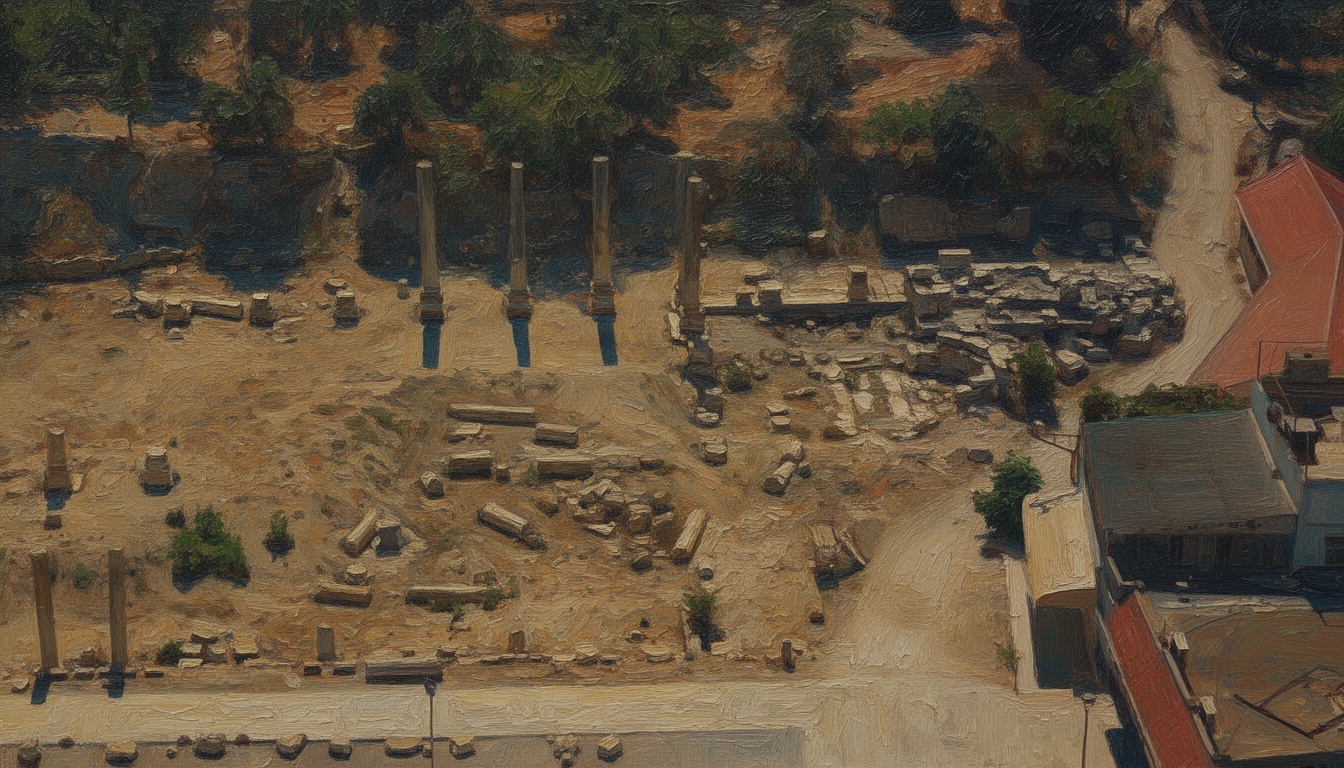
UNESCO Adds Sebastia to World Heritage List Despite Israeli Objections
UNESCO has recognized the archaeological site in Sebastia and castles in Lebanon, igniting tensions with Israel. This decision influences the international perception of cultural heritage in conflict zones.
A United Nations committee officially inscribed the archaeological site of Sebastia in the West Bank and a group of castles in southern Lebanon on the World Heritage List on Friday, despite strong objections from Israel. The decision took place during a meeting of the UNESCO in South Korea, where Israel's Foreign Ministry had previously urged the committee to reject the nominations, describing them as politically motivated efforts to 'weaponize cultural heritage'.
The site of Sebastia holds significant archaeological value, with origins dating back to ancient times, showcasing the rich history of the region. The inclusion of such sites in the World Heritage List is intended to promote their preservation and recognition on the global stage, despite ongoing geopolitical tensions.
This UNESCO decision has broad implications for international cultural policy and heritage conservation within contested territories. It raises questions about how cultural heritage is viewed through the lens of geopolitical conflicts, especially where such recognitions can be interpreted as symbolic support for a narrative that one party opposes.
Israel's concerns about the designation reflect a larger struggle over cultural narratives in the region, where historical sites often become points of contention. The Israeli government has framed its objections as a defense of its cultural and historical claims against what they view as antagonistic actions by other nations.
Moving forward, the recognition of Sebastia and the Lebanese castles may influence diplomatic relations and further complicate the discourse surrounding cultural conservation in conflict areas. While UNESCO aims to protect heritage, the political implications of these decisions cannot be overlooked, suggesting a need for dialogue concerning the intersection of culture, politics, and international relations.