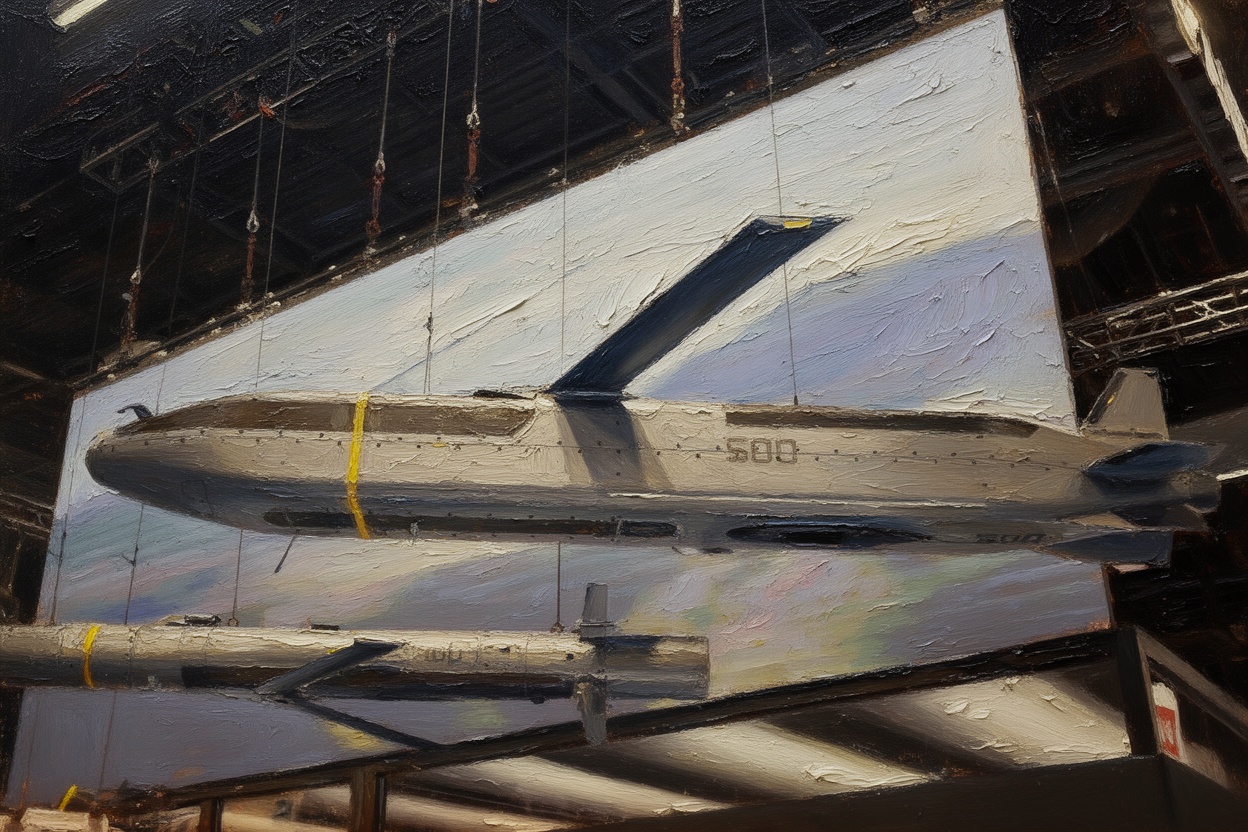
US Air Force Adopts Mass-Produced Low-Cost Cruise Missiles
The U.S. Air Force plans to acquire thousands of low-cost cruise missiles to enhance its strike capabilities. This shift is part of a strategy to maximize combat effectiveness while minimizing costs.
The U.S. Air Force is transitioning to purchasing cruise missiles that can be acquired in large quantities at significantly reduced costs. The decision reflects a broader strategy to expand its arsenal while keeping expenditure low. By opting for cheaper options, the Air Force aims to enable the launch of multiple missiles for the cost of a single advanced missile.
Historically, the Air Force has relied on expensive precision-guided weapons, limiting the number of strikes due to high per-unit costs. The introduction of these new cruise missiles indicates a shift towards a model that prioritizes volume over the cost per engagement. This approach aligns with contemporary military doctrines emphasizing rapid response and overwhelming force.
Strategically, the increased availability of low-cost missiles allows the U.S. to maintain deterrent capabilities without straining the defense budget. Furthermore, the ability to deploy large numbers of cruise missiles enhances flexibility in various operational scenarios, including conventional conflicts and asymmetrical warfare.
The specifics on the models being procured have not been disclosed, but previous low-cost cruise missiles such as the AGM-86 ALCM and potentially new developments could be expected. The focus is likely on systems that maintain effectiveness while allowing for mass deployment.
Consequentially, this strategy may alter the dynamics of U.S. military engagements, emphasizing a saturation approach to air strikes. As the U.S. moves towards integrating these systems, allies may see implications for their own procurement strategies, potentially increasing competition in the missile development realm.