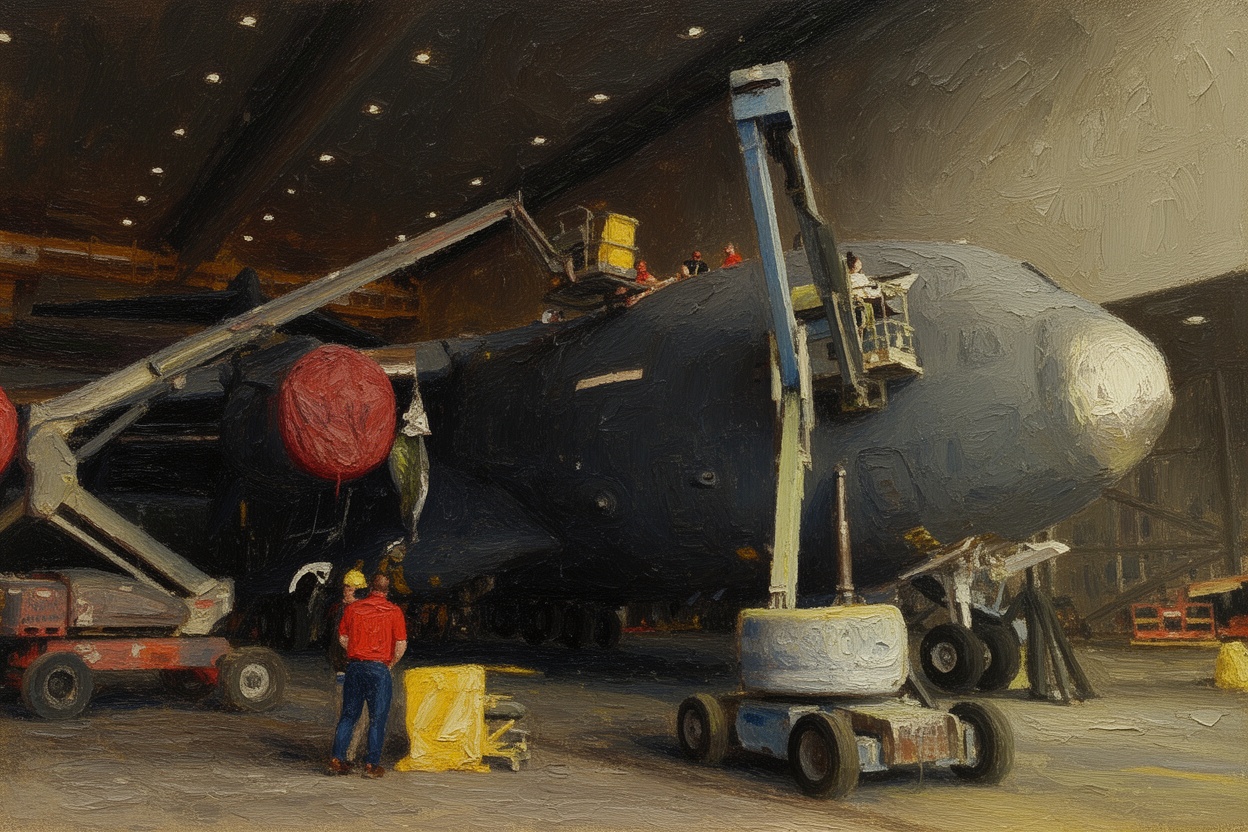
US Air Force Misjudges Aircraft Maintenance Delays, GAO Reports
The U.S. Air Force's approach to tracking aircraft maintenance has been criticized for underestimating delays. This misjudgment could affect operational readiness and aircraft availability globally.
A recent report by the Government Accountability Office (GAO) highlights significant shortcomings in the U.S. Air Force's management of aircraft maintenance timelines. The GAO found that the Air Force has been utilizing revised target dates that obscure the true nature of maintenance delays, creating a misleading impression of efficiency.
In recent years, maintenance delays have been a critical issue for the U.S. Air Force, impacting its overall readiness and capability to respond to global threats. By adopting a methodology that masks the extent of these delays, the Air Force may risk encountering operational challenges and losing air superiority in potential conflicts.
The significance of this issue extends beyond mere logistics. With an aging fleet, maintaining operational aircraft is crucial for the U.S. Air Force to fulfill its commitments both domestically and internationally. Delays in maintenance could lead to reduced aircraft availability, hindering mission success.
Technically, the revised tracking dates have been implemented across various aircraft types, including advanced platforms such as the F-35A Lightning II and the B-21 Raider. The Air Force's current approach appears to prioritize perceived efficiency over the practical realities of maintaining an effective air fleet.
The findings from the GAO report underscore the necessity for the U.S. Air Force to reassess its maintenance tracking policies. Immediate corrective actions are essential to ensure that maintenance timelines reflect true capabilities and address potential gaps in readiness, which could ultimately impact national security and defense posture globally.