US Air Force Seeks Nearly $1B for Collaborative Combat Aircraft
The US Air Force's request to Congress indicates a shift toward advanced unmanned systems. The funding will support the initial procurement of Collaborative Combat Aircraft, potentially altering air combat dynamics.
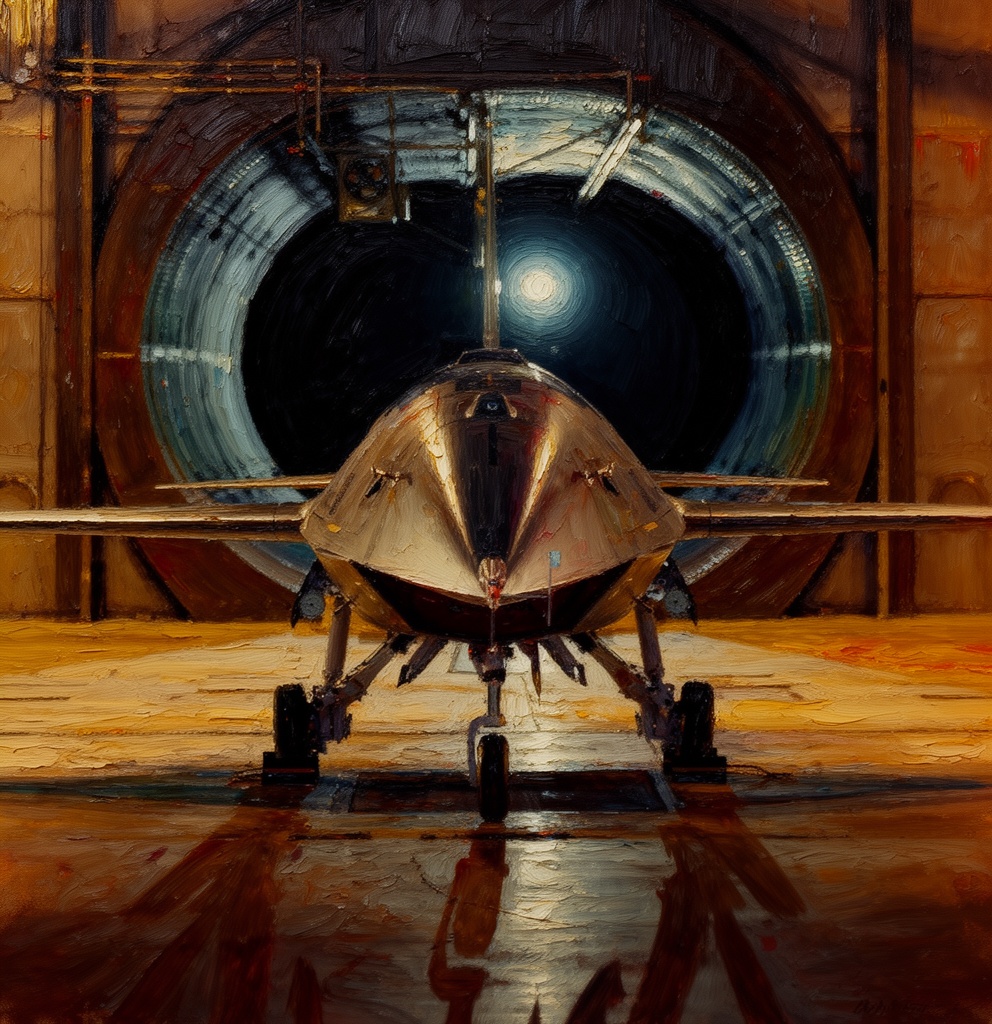
The United States Air Force is requesting nearly $1 billion from Congress for the initial procurement of Collaborative Combat Aircraft (CCA). This marks an unprecedented move as the Air Force enters what it describes as the 'loyal wingman' era. The investment aims to boost the capabilities of its air operations with advanced unmanned systems, which can operate alongside manned fighters, enhancing combat effectiveness and mission flexibility.
Historically, the development of unmanned aerial vehicles has been incremental, but CCAs represent a significant leap in operational strategy. By funding CCAs, the US Air Force acknowledges the critical role of unmanned systems in future combat scenarios. The request for funding reflects a broader trend in military aviation where autonomous systems are increasingly used for a variety of missions ranging from surveillance to direct engagement.
Strategically, this funding request could reshape air combat dynamics, providing US forces with significantly improved capabilities. Collaboratively operating with manned aircraft, CCAs can undertake risky missions, thereby preserving pilot lives and allowing pilots to focus on complex taskings while CCAs manage support roles. This approach is particularly important in evolving combat environments where unmanned systems are gaining prominence.
From a technical standpoint, CCAs may utilize cutting-edge technologies such as artificial intelligence and advanced sensors designed to collaborate in complex air battles. While specifics of the proposed CCA variants remain under wraps, they are expected to enhance existing platforms like the F-35A Lightning II and F-22 Raptor. The near $1 billion request underscores the importance of integrating technology with traditional airpower methods.
In conclusion, the US Air Force's push for CCA funding heralds a new era in air warfare. As the military initiates this new procurement, it will likely set off a wave of advancements in unmanned combat technology and doctrine. The implications could resonate across global defense sectors as countries assess their strategies in response to the evolving landscape of aerial combat capabilities.