US Aircraft Strikes Another Oil Tanker in Gulf of Oman
This strike represents a significant escalation in U.S. military interventions. The increased military presence may alter oil shipping dynamics in the region.
On Tuesday, U.S. military aircraft reportedly fired upon and disabled an oil tanker in the Gulf of Oman. This action reflects a broader strategy by U.S. forces to target vessels suspected of violating sanctions or operating outside of compliance agreements.
Background context reveals that this incident marks the second intervention by U.S. military forces in the region within a week. Previous actions included the disablement of another tanker, signaling a determined approach to counter perceived threats in maritime security. The U.S. military has ramped up its naval operations to ensure safe passage for commercial vessels amidst rising tensions in the Gulf.
The strategic significance of these interventions cannot be understated. The Gulf of Oman is a critical shipping route for global oil supplies. U.S. military actions may send a strong deterrent message to other nations operating in the area and potentially influence regional maritime security dynamics.
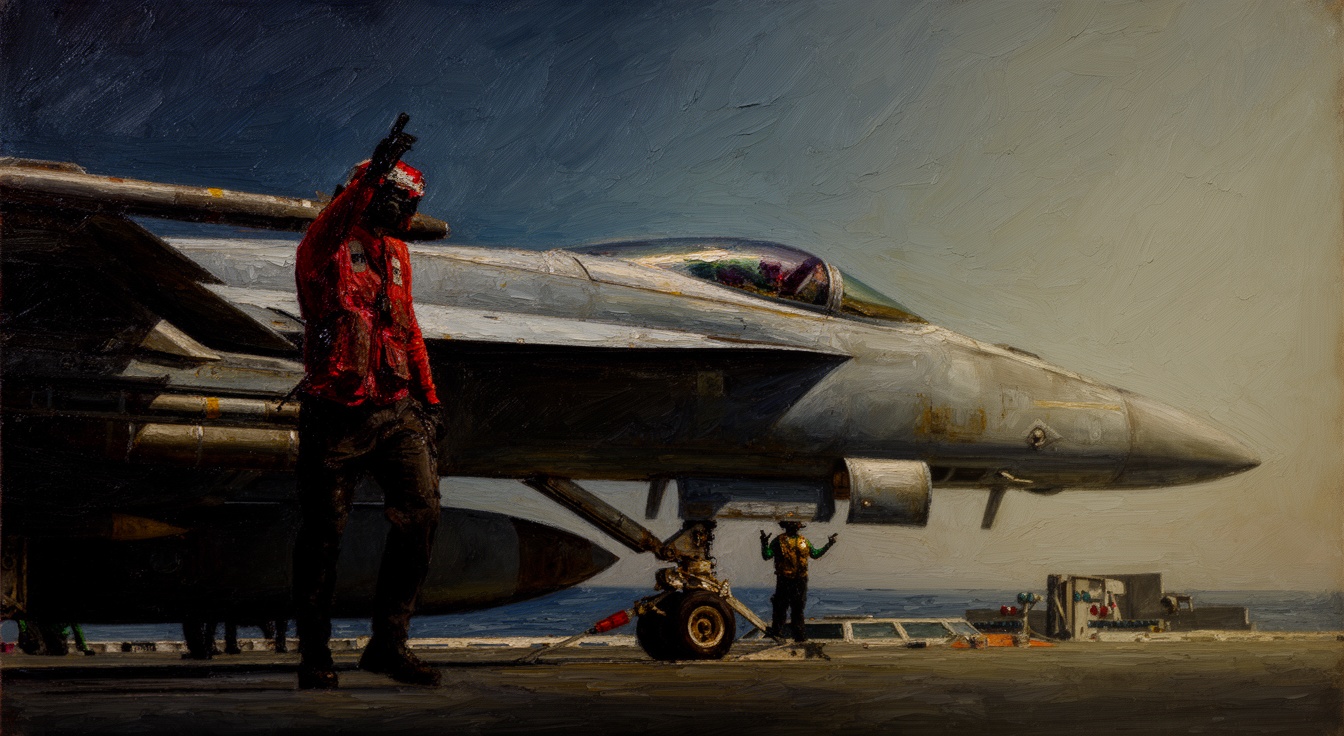
Operationally, the aircraft used in this strike were part of a larger fleet deployed in the area, which includes advanced surveillance capabilities. The specific model of the aircraft involved has not been disclosed. However, U.S. Navy destroyers have been present in the Gulf as part of their mission to secure maritime routes.
The likely consequences of this latest strike may provoke escalatory responses from regional actors, particularly Iran, which has significant interests in the Gulf. Analysts predict that this could lead to increased tensions and further military engagements, affecting not only military strategy but also the global oil market as shipping routes come under threat.