US and Allies Develop Joint Orbital Warfare Strategy
The US Space Command is establishing a collaborative strategy for orbital warfare. This initiative includes quarterly exercises with commercial partners aimed at enhancing space capabilities.
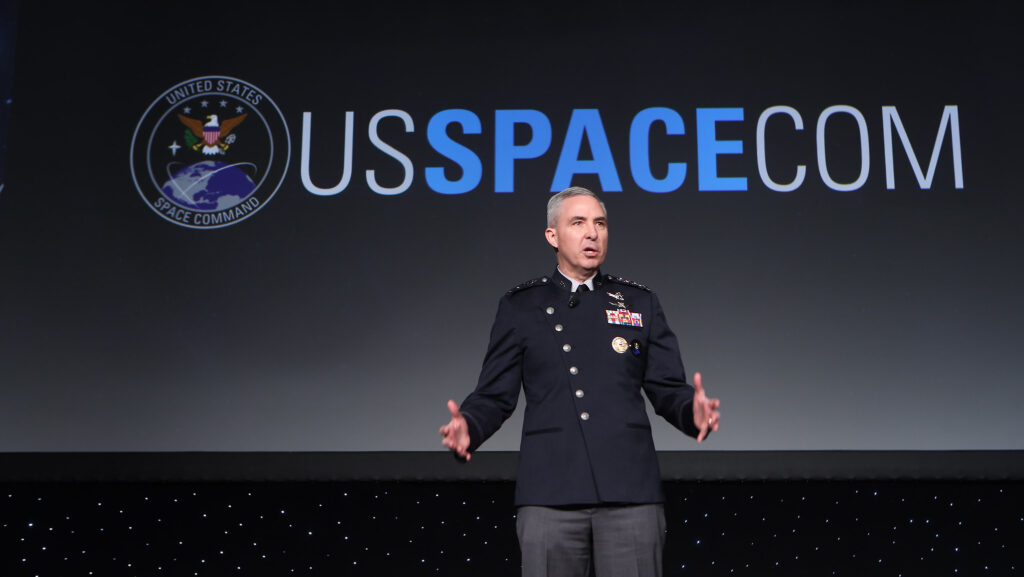
General Stephen Whiting, the head of US Space Command (SPACECOM), announced plans for a joint orbital warfare strategy with close allies. Speaking at the Mitchell Institute, Whiting emphasized that this strategy aims to improve operational readiness and coordination in space operations. The initiative reflects growing concerns about threats in the orbital domain from various state and non-state actors.
SPACECOM's strategy includes engaging commercial industry partners through Apollo Insights table-top exercises (TTXs) scheduled for once a quarter throughout this year. These exercises will allow SPACECOM and its allies to evaluate various scenarios and responses to potential threats in space. The integration of commercial capabilities is seen as vital for enhancing the US and allied operational capabilities in space.
This development is strategically significant as the military powers increasingly recognize space as a warfighting domain. As nations like Russia and China develop counter-space capabilities, the collaborative efforts between the US and its allies will be critical for deterrence and strategic advantage.
Operational details for the joint strategy are still being finalized, but expected capabilities align with advancements in satellite and interception technology. The focus will include both offensive and defensive measures to safeguard interests in space. The quarterly TTXs will help identify gaps in capabilities and strategize solutions effectively.
As geopolitical tensions continue to rise regarding space security, these developments may lead to further escalations in military readiness. The cooperation between military and commercial sectors is likely to redefine the landscape of space operations and may impact existing defense policies significantly.