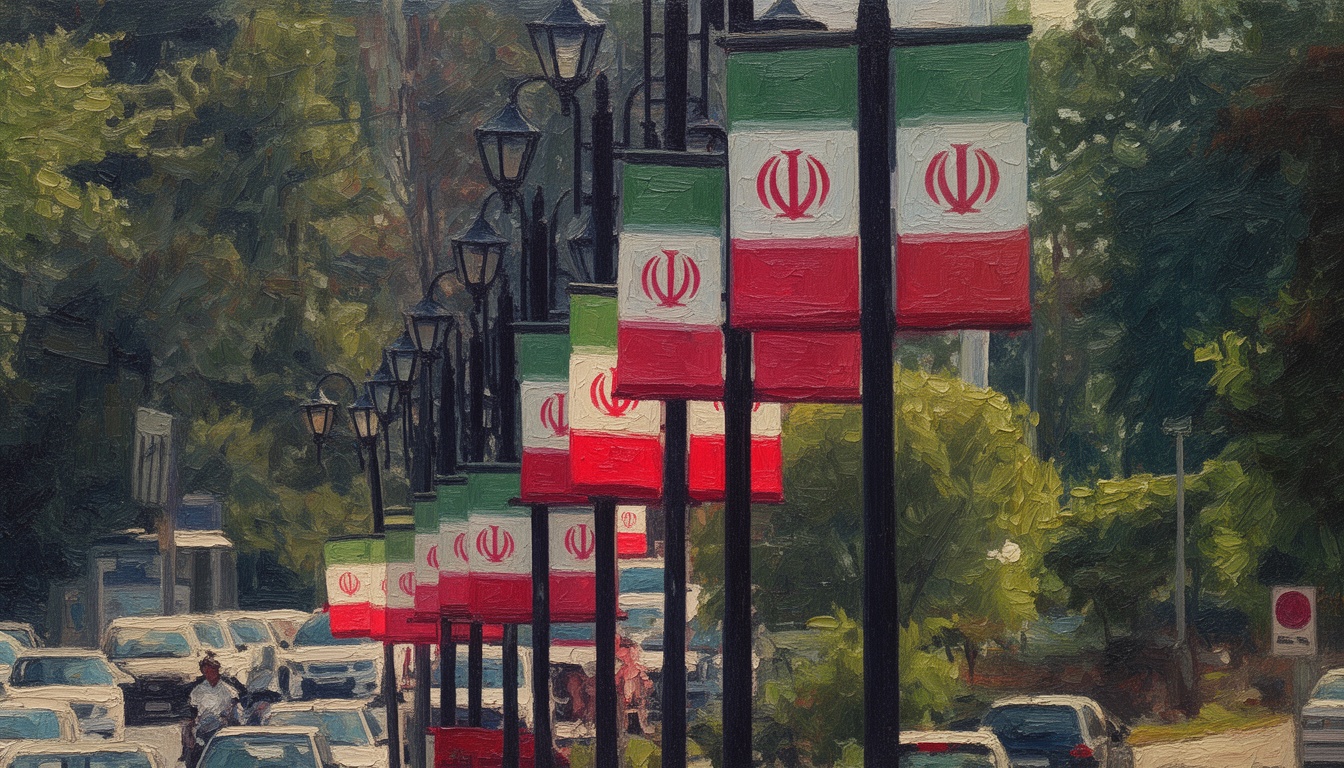
US and Allies Propose $300 Billion Reconstruction Fund for Iran
Iran may access a $300 billion reconstruction fund as part of a new agreement, contingent on negotiation and compliance. This could also allow Tehran to resume oil sales if finalized.
A proposed agreement could enable Iran to access a $300 billion reconstruction fund, as announced by U.S. officials on Wednesday. This development signals a significant shift in diplomatic relations, although U.S. representatives clarified that there is no requirement for Washington to contribute funds directly. The fund aims at addressing the extensive infrastructure damage and economic challenges faced by Iran.
Under this framework, Tehran would be permitted to resume oil sales immediately after the agreement is finalized this week. The resumption of oil exports would alleviate some financial strains on the Iranian economy, which has been significantly impacted by long-standing sanctions. Furthermore, if both parties arrive at a comprehensive deal following a 60-day negotiation period, all existing sanctions against Iran would be lifted.
The strategic significance of this agreement is considerable, as it marks a potential thaw in relations between Iran and the West. By providing financial support and easing sanctions, the U.S. and its allies may seek to stabilize the region and encourage Iran to engage more cooperatively in international affairs. This approach is seen as a method to counteract Iranian influence and bring stability to an area troubled by long-standing conflicts.
The logistics of the proposed reconstruction fund remain complex. Details about how the funds will be allocated and the specific terms of compliance will need to be clearly outlined during the negotiation process. Stakeholders, including international organizations and financial institutions, may play a critical role in managing these resources effectively, ensuring they meet the intended rebuilding objectives.
Should this agreement be realized, it is likely to have profound consequences for Iran's economy and its geopolitical position. While the lifting of sanctions could lead to increased trade and investment, the situation will remain delicate, requiring careful diplomacy to navigate potential tensions that might arise during implementation.