US and Iran Exchange Strikes Targeting Critical Infrastructure
The US and Iran have engaged in reciprocal strikes on key infrastructure, escalating tensions in the region. The conflict introduces significant risks to energy supply chains and maritime security.
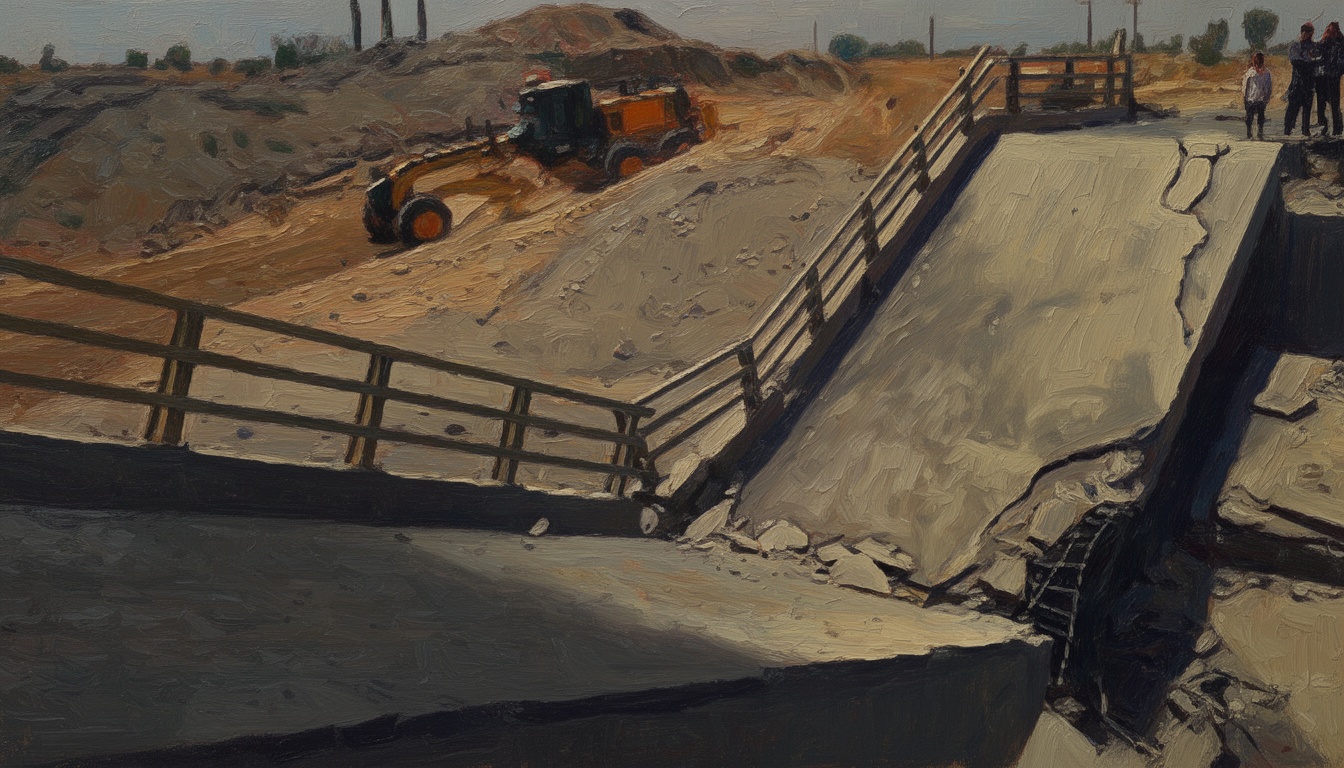
On Friday, the United States military conducted strikes on bridges in Iran, targeting crucial transportation routes. In retaliation, the Iranian forces targeted a power and desalination plant in Kuwait, marking a significant increase in hostilities between the two nations. This exchange of strikes on infrastructure represents a perilous step in the ongoing confrontation, escalating fears of a wider conflict in the region.
The renewed hostilities come in the wake of rising tensions between the US and Iran, notably following years of confrontational rhetoric and sanctions. The Iranian authorities have indicated their willingness to respond robustly to US military actions, escalating the potential for operational engagements in contested areas. As both sides broaden their focus to essential infrastructure, the risk of miscalculation grows, raising concerns among neighboring countries and international observers.
Strategically, the US strikes aim to disrupt Iran's supply chains and limit its military capabilities. By targeting bridges, the US intends to hinder logistical support for Iranian-backed groups operating in the region. Iran's response, targeting critical infrastructure in Kuwait, signals its resolve to retaliate against perceived aggressions, which could lead to further deterioration of diplomatic relations and heightened military posturing.
Operationally, the US Marine Corps has increased its naval presence in the region, boarding a tanker near the Strait of Hormuz. This move underscores the importance of securing energy supplies from the Gulf, a critical corridor through which a significant portion of the world’s oil passes. Additionally, armed groups seizing vessels off the coast of Yemen indicate threats to maritime security are escalating, potentially impacting global oil shipment routes.
The potential consequences of this latest escalation are multifaceted. Should tensions continue to rise, energy prices may spike due to increased uncertainty in Middle Eastern oil supply routes. Furthermore, the broader Middle East security landscape stands to be affected, as countries grapple with the implications of conflict in this critical region. In the coming weeks, the dynamics of US-Iran relations and their impact on regional allies will be closely monitored as the potential for further military engagements looms.