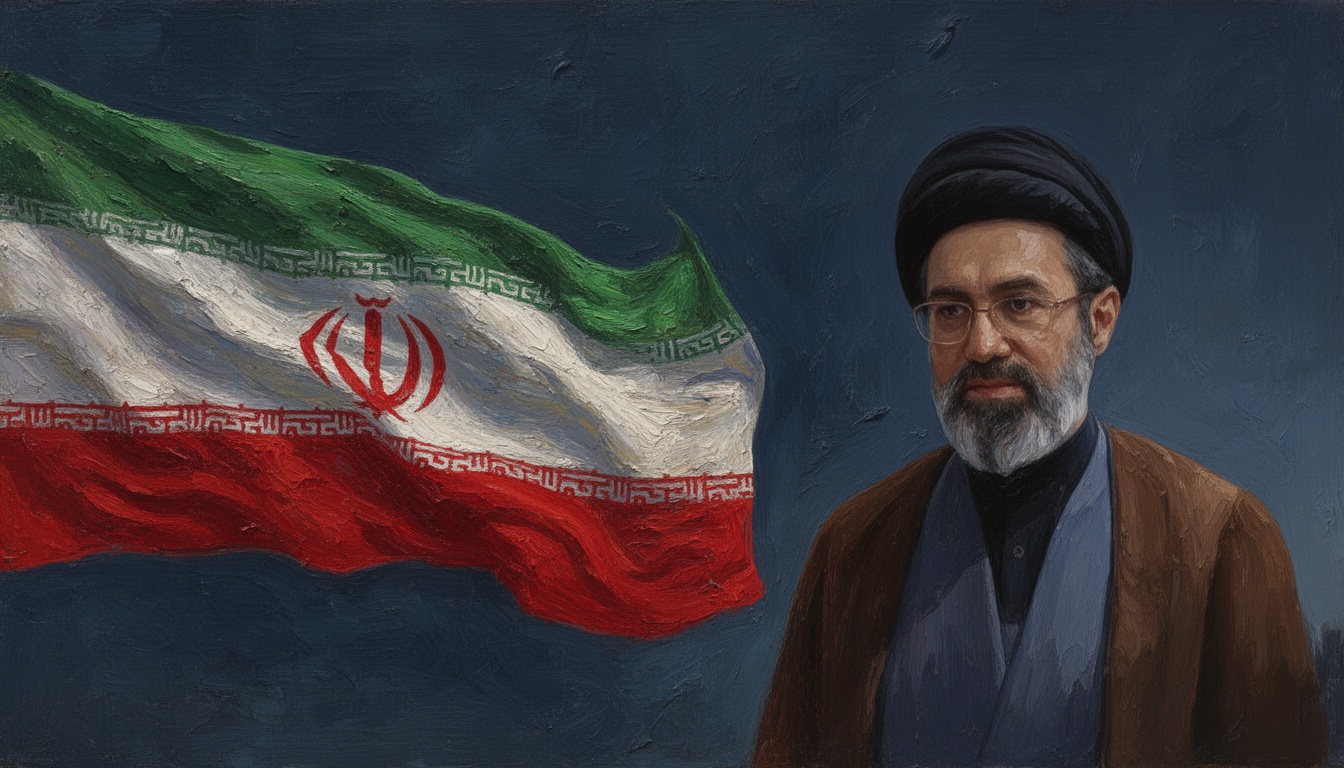
US and Iran Move Towards Ceasefire Agreement
A potential agreement between the United States and Iran could extend a ceasefire and alleviate regional tensions. However, unresolved nuclear issues remain a significant hurdle.
The United States and Iran are reportedly on the verge of reaching an agreement that would extend a ceasefire in the ongoing conflict. The proposed deal aims to facilitate shipping through the Strait of Hormuz and lift some US sanctions on Iran, with sources confirming that these discussions have progressed significantly. While this development signals a potential reduction in hostilities, the specifics of the agreement remain unfinalized and would require further negotiations.
The conflict between the US and Iran has put considerable strain on global energy markets, contributing to rising prices and uncertainty. As one of the vital shipping lanes for oil, the Strait of Hormuz has seen increased tension, which could impact economies around the world. An agreement to ease these tensions could be a pivotal moment in moving towards a more stable security environment in the region.
However, the nuclear program dispute is a complex issue that is likely to prevent a quick resolution. Although the focus is currently on the ceasefire and sanctions, the long-standing concerns regarding Iran’s nuclear ambitions will need to be addressed in subsequent weeks. The resolution of these disputes will be crucial for any lasting peace and stability.
Operationally, the US has maintained a significant naval presence in the region as part of its effort to ensure the security of maritime traffic. Iran, in response, has leveraged asymmetric warfare tactics, which complicate any resolution. The successful extension of a ceasefire may require further engagement from both parties and potential intermediaries to navigate these complex dynamics.
In terms of consequences, if an agreement is finalized, it could mark a turning point in US-Iran relations. It may alleviate some immediate risks of conflict but addressing the nuclear issue decisively will be essential for prolonging the ceasefire and achieving long-term stability in the region.