US Approves $1.57 Billion Military Sale to New Zealand
The US Department of State has authorized $1.57 billion for New Zealand's purchase of MH-60R helicopters and MK 54 torpedoes. This move strengthens defense ties between the two nations and enhances New Zealand's maritime capabilities.
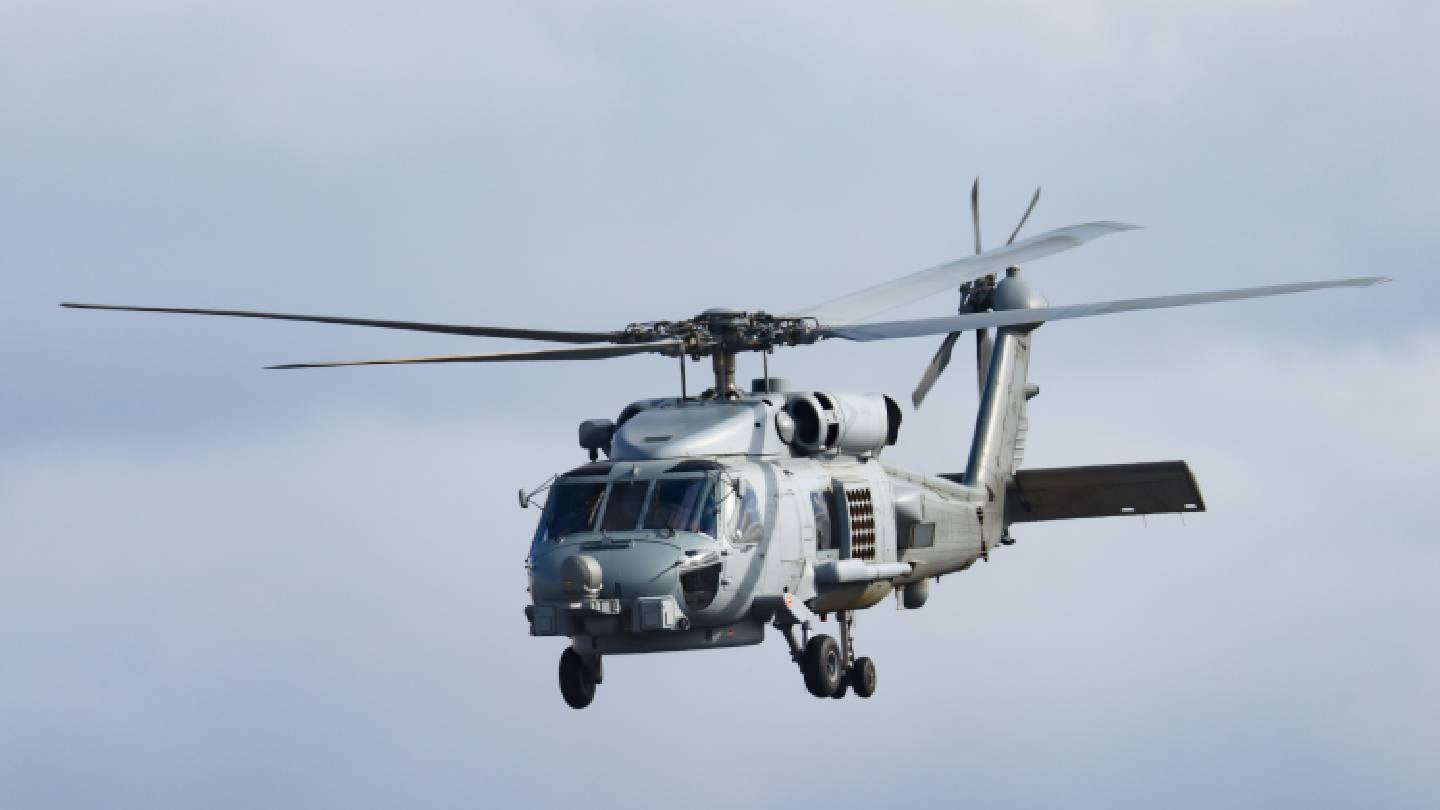
The US Department of State has approved a significant Foreign Military Sale (FMS) worth $1.57 billion to New Zealand. The approval includes the provision of 12 MH-60R multi-mission helicopters and 32 MK 54 torpedoes. This development marks a key advancement in military cooperation between the United States and New Zealand, emphasizing their shared security interests in the Pacific region.
New Zealand has expressed a need to modernize its maritime capabilities, particularly in anti-submarine warfare. The acquisition of MH-60R helicopters, known for their versatility and advanced technology, will enhance New Zealand's naval strength. This purchase is also seen as a response to increasing regional tensions and the need for enhanced deterrence capabilities.
The MH-60R Seahawk helicopters are equipped with advanced avionics and weapon systems, including the capability to deploy MK 54 torpedoes effectively. These helicopters are specifically designed for anti-submarine warfare and are capable of conducting various missions, including search and rescue, surveillance, and naval support. The budget allocated for this sale highlights the commitment of the US to support allies in strengthening their defense capabilities.
This military sale is expected to have significant implications for New Zealand's defense strategy. With the enhanced helicopter fleet and torpedo arsenal, New Zealand will bolster its operational readiness and interoperability with US forces. It also signals the United States' ongoing efforts to reinforce security partnerships in the Indo-Pacific amid increasing geopolitical challenges.
In conclusion, the approval of this $1.57 billion military sale cements the relationship between the US and New Zealand. As New Zealand enhances its defense capabilities, it will play a more prominent role in regional security matters, working closely with the US and other allies in the face of evolving threats.