US Approves $8.6 Billion Arms Sales to Middle East Nations
The U.S. has authorized $8.6 billion in arms sales to several Middle Eastern countries, bypassing congressional scrutiny. These deals potentially involve advanced missile systems and additional air defense capabilities for regional allies.
The U.S. State Department has approved arms sales totaling $8.6 billion to several countries in the Middle East, circumventing the typical congressional review process. The proposed arms deals include advanced capabilities such as the Advanced Precision Kill Weapon System (APKWS) for three nations, alongside a significant expansion of Qatar's air defense systems.
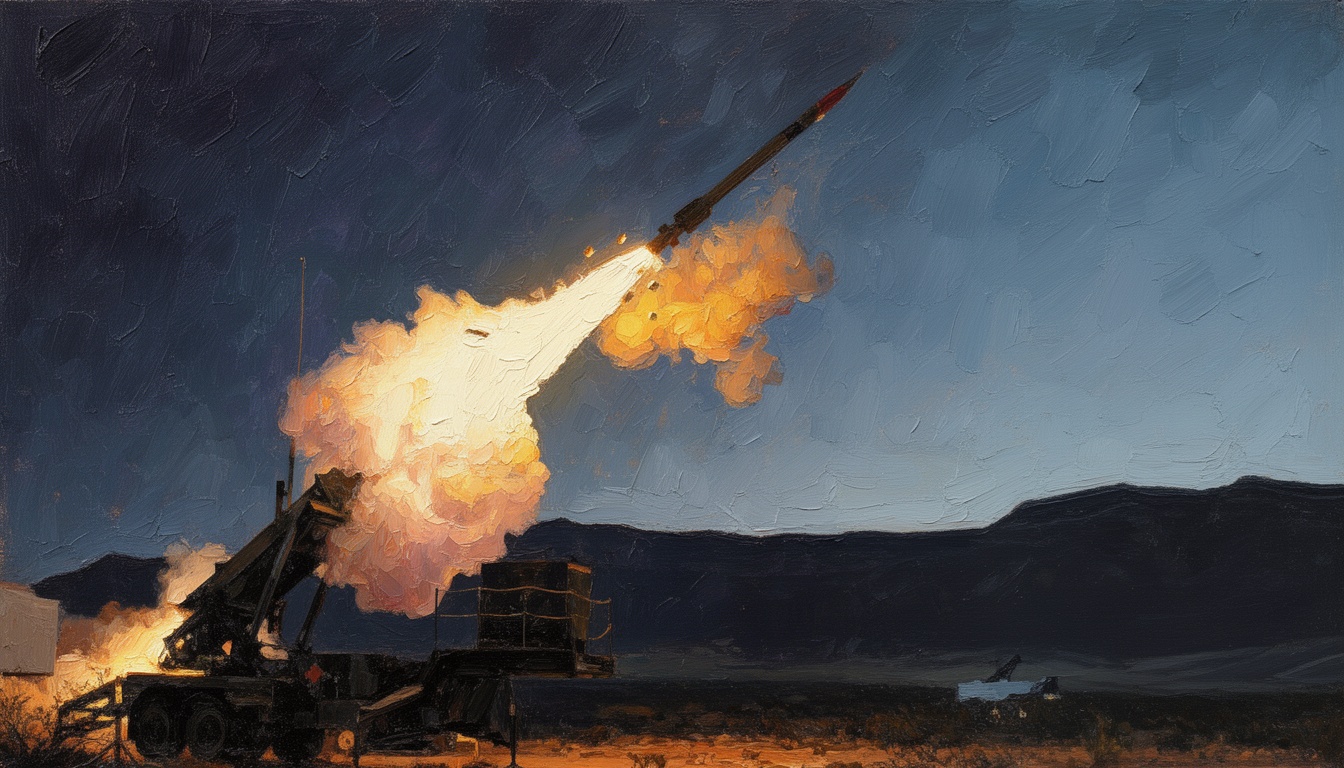
The approval comes amid escalating regional tensions and concerns over missile threats. Qatar is expected to purchase additional Patriot PAC-3 interceptors, enhancing its defensive posture against potential aerial threats in the region. The expedited approval process indicates a strategic shift in U.S. arms sales policy, emphasizing rapid support for allies.
Strategically, this move reflects the U.S.'s commitment to reinforcing its alliances in the Middle East, particularly in light of the imminent threat posed by drone and missile advancements observed in hostile states. The inclusion of APKWS indicates a focus on precision-guided munitions, enhancing partner nations' capabilities to engage ground targets effectively.
Operational details reveal that APKWS is a laser-guided rocket system designed for various platforms, including helicopters and unmanned aerial vehicles. The additional Patriot interceptors will help Qatar bolster its air defense systems, providing an integrated shield against emerging threats.
Looking ahead, the approval of these arms sales could influence the arms dynamics in the Middle East, potentially prompting other nations to seek similar capabilities. The U.S. aim to maintain strategic superiority in the region may drive further military collaborations involving advanced technology and weaponry.